
Chronic Obstructive Pulmonary Disease (COPD) and Ayurveda: A Comprehensive Approach
Chronic Obstructive Pulmonary Disease (COPD) and Ayurveda: A Comprehensive Approach is a progressive lung disease that encompasses chronic bronchitis and emphysema, primarily characterized by long-term breathing problems and poor airflow. As conventional medicine often focuses on symptom management and slowing disease progression, Ayurveda, the traditional system of medicine from India, offers a holistic approach to managing COPD that focuses on balance, diet, and lifestyle.
Understanding COPD
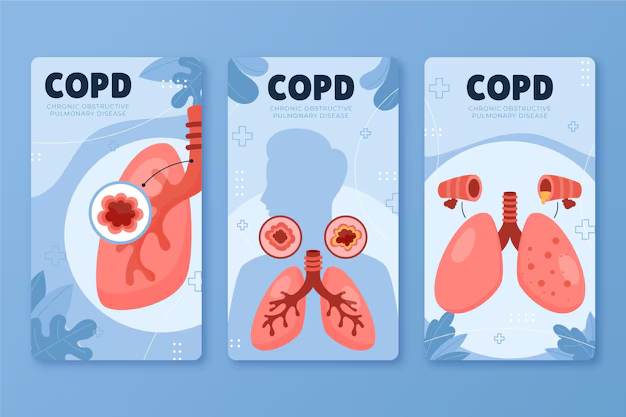
COPD is a leading cause of morbidity and mortality worldwide. It is primarily caused by long-term exposure to irritating gases or particulate matter, most commonly from cigarette smoke. COPD symptoms include chronic cough, excessive mucus production, shortness of breath, and wheezing. As the disease progresses, it leads to significant limitations in daily activities and overall quality of life.
Ayurveda: An Overview
Ayurveda, which translates to “the science of life,” is an ancient system of medicine that has been practiced in India for over 5,000 years. It is based on the concept of balance among the body’s three primary doshas: Vata (air and space), Pitta (fire and water), and Kapha (earth and water). Health is seen as a state of harmony between these doshas, and disease is understood as an imbalance among them.
Ayurveda’s Approach to COPD
In Ayurveda, respiratory diseases are often associated with an imbalance in the Kapha dosha, which is responsible for the formation of mucus and fluids in the body. COPD, with its hallmark symptoms of mucus production and breathlessness, can be understood as a manifestation of Kapha dosha imbalance. Additionally, the aggravation of Vata dosha (responsible for movement and dryness) can also contribute to the disease’s progression.
1. Balancing the Doshas
To manage COPD, Ayurveda emphasizes restoring balance to the affected doshas:
- Kapha Dosha: As COPD involves excess mucus, treatments focus on reducing Kapha by using warming, drying, and stimulating therapies. This includes dietary adjustments and herbal remedies that help in reducing mucus production and improving respiratory function.
- Vata Dosha: Since Vata can become aggravated in chronic diseases, treatments also aim to balance Vata to alleviate symptoms such as dryness and discomfort in the respiratory tract.
2. Dietary Recommendations
Diet plays a crucial role in managing COPD according to Ayurveda. A balanced diet that pacifies Kapha and Vata doshas is essential:
- Warm and Light Foods: Consuming warm, cooked foods helps in reducing Kapha and improving digestion. Spices like ginger, black pepper, and turmeric can aid in breaking down mucus and improving lung function.
- Avoiding Heavy, Oily, and Cold Foods: Foods that increase mucus production or are difficult to digest, such as dairy products, fried foods, and excessive sugar, should be avoided.
- Hydration: Drinking warm water and herbal teas helps in maintaining mucus consistency and improving overall respiratory health.
3. Herbal Remedies
Ayurvedic herbs can support respiratory health and provide relief from COPD symptoms:
- Tulsi (Holy Basil): Known for its anti-inflammatory and immune-boosting properties, Tulsi can help in reducing mucus and easing respiratory discomfort.
- Ginger: With its warming properties, ginger can help in clearing mucus from the respiratory tract and improving breathing.
- Licorice Root: This herb is known for its soothing effect on the respiratory system and can help in reducing inflammation and coughing.
- Pippali (Long Pepper): Often used in combination with other herbs, Pippali enhances the absorption of nutrients and helps in alleviating cough and respiratory congestion.
4. Panchakarma Therapy
Panchakarma, a set of five detoxification procedures, can be beneficial for individuals with COPD:
- Vamana (Therapeutic Vomiting): This procedure helps in expelling excess mucus and toxins from the respiratory tract.
- Virechana (Purgation Therapy): It aids in removing toxins from the digestive system, which can indirectly benefit respiratory health.
- Nasya (Nasal Therapy): Administering herbal oils through the nasal passages can help in clearing mucus and improving airflow.
- Abhyanga (Oil Massage): Regular oil massages using warming oils can help in reducing Kapha imbalances and improving circulation.
- Swedana (Sweating Therapy): This therapy helps in removing toxins from the body through induced sweating, which can assist in alleviating respiratory symptoms.
5. Lifestyle Modifications
Lifestyle changes are crucial for managing COPD effectively:
- Regular Exercise: Gentle exercises like yoga can improve lung capacity, reduce stress, and balance doshas. Practices such as pranayama (breath control) are particularly beneficial for enhancing respiratory function.
- Breathing Techniques: Techniques such as deep breathing and alternate nostril breathing can help in improving oxygen intake and reducing breathlessness.
- Stress Management: Stress can aggravate respiratory symptoms, so incorporating practices like meditation, mindfulness, and relaxation techniques can be beneficial.
- Avoiding Pollutants: Reducing exposure to environmental pollutants and avoiding smoking are critical for managing COPD. Using air purifiers and maintaining good indoor air quality can also help.
Integrating Ayurveda with Conventional Treatments
While Ayurveda offers a comprehensive approach to managing COPD, it is essential to integrate these practices with conventional medical treatments. COPD is a serious condition that requires ongoing medical supervision. Ayurvedic remedies and lifestyle modifications should be used as complementary strategies alongside prescribed medications and therapies.
Conclusion
Chronic Obstructive Pulmonary Disease (COPD) and Ayurveda: A Comprehensive Approach management through Ayurveda focuses on achieving a balance in the body’s doshas, supporting respiratory health through diet and herbal remedies, and making lifestyle adjustments. By integrating these holistic practices with conventional treatments, individuals with COPD can potentially experience improved symptom management and overall quality of life.
It is always advisable for individuals with COPD to consult with healthcare professionals before starting any new treatment regimen. Combining the wisdom of Ayurveda with modern medical approaches can provide a well-rounded strategy for managing this challenging condition.


About author


Leave a reply