
Ayurvedic Treatment for Urinary Tract Infections (UTIs)
Ayurvedic Treatment for Urinary Tract Infections (UTIs) are a common health issue affecting millions of people worldwide. While modern medicine offers various antibiotics to treat UTIs, the recurrence and potential side effects of these treatments have led many to seek alternative therapies. Ayurveda, a holistic healing system from India, offers a natural approach to managing and treating UTIs by addressing the root cause and promoting overall well-being. This blog will explore the Ayurvedic understanding of UTIs, the herbs and remedies recommended, dietary and lifestyle changes, and preventive measures to maintain urinary tract health.
Understanding UTIs in Ayurveda
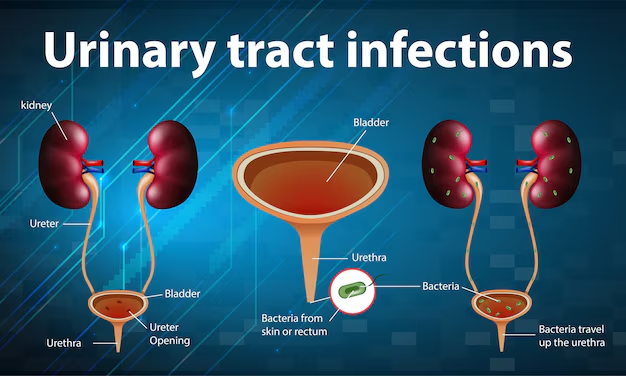
In Ayurveda, health is viewed as a balance between the three doshas: Vata, Pitta, and Kapha. An imbalance in any of these doshas can lead to disease. UTIs are primarily associated with an imbalance in the Pitta dosha, which governs the body’s heat and metabolism. When Pitta is aggravated, it can lead to inflammation and infection in the urinary tract, manifesting as burning sensations, pain during urination, frequent urges to urinate, and cloudy or foul-smelling urine.
Ayurveda also considers the role of the urinary system (Mutravaha Srotas) in maintaining overall health. The urinary system is responsible for removing waste and excess fluids from the body. When this system is compromised, it can lead to the accumulation of toxins (Ama) in the body, further aggravating the condition.
Common Causes of UTIs According to Ayurveda
Several factors can contribute to the imbalance of Pitta and the development of UTIs:
- Diet: Consuming too many spicy, sour, or salty foods can aggravate Pitta, leading to inflammation in the urinary tract.
- Dehydration: Insufficient water intake can cause the urine to become concentrated, leading to irritation and infection in the urinary tract.
- Suppression of Urge: Delaying urination for extended periods can lead to stagnation of urine, increasing the risk of infection.
- Excessive Heat: Overexposure to heat, whether from external sources like the sun or internal sources like a fever, can increase Pitta and lead to UTIs.
- Sexual Activity: Increased sexual activity without proper hygiene can introduce bacteria into the urinary tract, leading to infections.
Ayurvedic Remedies for UTIs
Ayurveda offers a range of natural remedies to treat UTIs, focusing on balancing the Pitta dosha, reducing inflammation, and eliminating toxins from the body.
- Herbal Remedies:
- Gokshura (Tribulus terrestris): Known for its diuretic properties, Gokshura helps in flushing out toxins and bacteria from the urinary tract. It also soothes the inflamed tissues, reducing pain and discomfort.
- Punarnava (Boerhavia diffusa): This herb has anti-inflammatory and diuretic properties, making it effective in treating UTIs. It helps in reducing swelling and promoting the proper functioning of the kidneys.
- Chandana (Sandalwood): Sandalwood has cooling properties that help in pacifying the aggravated Pitta dosha. It is particularly effective in relieving burning sensations during urination.
- Varuna (Crataeva nurvala): Varuna is known for its ability to clear urinary obstructions and reduce the formation of kidney stones. It also has antimicrobial properties that help in combating infections.
- Coriander Seeds (Coriandrum sativum): Coriander seeds have a cooling effect on the body and help in reducing inflammation and pain in the urinary tract.
- Home Remedies:
- Barley Water: Barley water is a natural diuretic that helps in flushing out bacteria from the urinary tract. It also soothes the urinary tract and reduces the burning sensation.
- Coconut Water: Rich in potassium and other minerals, coconut water helps in balancing electrolytes in the body and prevents dehydration. It also has a cooling effect that reduces Pitta aggravation.
- Amla (Indian Gooseberry) Juice: Amla is a potent source of vitamin C and has antioxidant properties. It helps in boosting the immune system and fighting infections.
- Fenugreek Seeds: Soaking fenugreek seeds overnight and consuming them in the morning can help in reducing inflammation and promoting healing in the urinary tract.
- Ayurvedic Formulations:
- Chandraprabha Vati: This classical Ayurvedic formulation contains a blend of herbs like Guggulu, Haridra, and Musta, which help in detoxifying the urinary system and reducing inflammation.
- Punarnavadi Kashayam: A decoction made from Punarnava and other herbs, this formulation is effective in treating UTIs and preventing recurrence.
- Gokshuradi Guggulu: This formulation is commonly used to treat urinary disorders, including UTIs. It helps in dissolving urinary stones, reducing inflammation, and promoting healthy kidney function.
Dietary Recommendations
A balanced diet is crucial in managing and preventing UTIs. In Ayurveda, a Pitta-pacifying diet is recommended for individuals prone to UTIs.
- Foods to Include:
- Cooling Foods: Incorporate foods with cooling properties such as cucumbers, melons, and leafy greens. These foods help in balancing the Pitta dosha.
- Hydrating Foods: Increase the intake of hydrating foods like watermelon, coconut water, and cucumbers. These foods help in flushing out toxins from the urinary system.
- Whole Grains: Brown rice, quinoa, and barley are excellent choices for those prone to UTIs. They are easy to digest and help in maintaining a healthy digestive system.
- Probiotics: Include probiotic-rich foods like yogurt and fermented vegetables in your diet to promote a healthy balance of gut bacteria, which can prevent infections.
- Herbs and Spices: Use cooling herbs and spices like coriander, fennel, and mint in your cooking to balance Pitta and soothe the urinary tract.
- Foods to Avoid:
- Spicy and Oily Foods: These can aggravate Pitta and increase inflammation in the urinary tract.
- Caffeine and Alcohol: Both of these can irritate the bladder and exacerbate symptoms of UTIs.
- Processed Foods: Avoid processed and packaged foods that are high in preservatives, as they can increase the body’s toxicity levels.
- Red Meat: Heavy to digest, red meat can increase Pitta and lead to the formation of Ama, which can exacerbate UTIs.
Lifestyle Changes
In addition to herbal remedies and dietary adjustments, certain lifestyle changes can help prevent and manage UTIs.
- Hydration: Drink plenty of water throughout the day to keep the urinary system clean and free from bacteria. Aim for at least 8-10 glasses of water daily.
- Hygiene: Maintain proper hygiene, especially after using the toilet and during menstruation. Always wipe from front to back to prevent bacteria from entering the urinary tract.
- Regular Urination: Do not hold urine for extended periods. Regular urination helps in flushing out bacteria from the urinary tract.
- Clothing: Wear loose, breathable clothing, especially undergarments made from natural fibers like cotton. Tight clothing can trap moisture and create an environment conducive to bacterial growth.
- Yoga and Pranayama: Incorporate yoga and breathing exercises into your daily routine to reduce stress, which can aggravate Pitta and lead to UTIs. Poses like Supta Baddha Konasana (Reclining Bound Angle Pose) and Viparita Karani (Legs-Up-the-Wall Pose) can help in relieving urinary discomfort.
Preventive Measures
Prevention is always better than cure, and Ayurveda emphasizes a proactive approach to health. By following these preventive measures, you can reduce the risk of UTIs:
- Maintain a Healthy Diet: Adhere to a Pitta-pacifying diet, especially during the summer months when Pitta is naturally higher in the environment.
- Stay Hydrated: Regularly drink water, herbal teas, and cooling beverages to keep the urinary tract healthy.
- Balanced Lifestyle: Practice a balanced lifestyle that includes regular exercise, proper sleep, and stress management techniques like meditation and yoga.
- Detoxification: Periodic detoxification through Panchakarma or simple home detox routines can help in eliminating toxins and maintaining a healthy urinary system.
- Regular Check-ups: Regularly monitor your urinary health, especially if you have a history of UTIs. Early detection and treatment can prevent complications.
Conclusion
Ayurveda offers a comprehensive approach to treating and preventing UTIs by addressing the root cause of the condition and promoting overall health. By incorporating Ayurvedic herbs, dietary changes, and lifestyle modifications, individuals can effectively manage UTIs and reduce the likelihood of recurrence. As with any health condition, it’s essential to consult with a qualified Ayurvedic practitioner to tailor a treatment plan that suits your individual constitution and health needs.
By embracing Ayurveda’s time-tested wisdom, you can find a natural and holistic way to maintain urinary tract health and enhance your overall well-being.

About author


Leave a reply