
Ayurvedic Approach to Autoimmune Diseases
Ayurvedic Approach to Autoimmune Diseases are a growing concern in modern healthcare, affecting millions globally. They occur when the immune system mistakenly attacks the body’s own tissues, leading to chronic inflammation and damage. Traditional treatments often focus on managing symptoms and slowing disease progression. However, Ayurveda, an ancient system of medicine from India, offers a unique perspective on managing autoimmune diseases through a holistic approach. In this blog, we will explore how Ayurveda addresses autoimmune conditions, emphasizing its principles, diagnostic methods, and therapeutic strategies.
Understanding Autoimmune Diseases
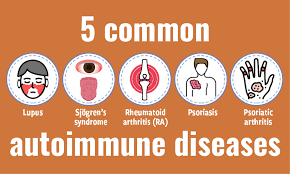
Autoimmune diseases encompass a broad range of conditions where the immune system loses its ability to distinguish between self and non-self, leading to attacks on the body’s own cells. Common examples include rheumatoid arthritis, lupus, multiple sclerosis, and psoriasis. These diseases can be debilitating, affecting various organs and systems in the body.
The Ayurvedic Perspective
Ayurveda, which means “the science of life,” is a comprehensive system of medicine that dates back over 5,000 years. It views health as a balance of the body, mind, and spirit, and disease as an imbalance of these elements. According to Ayurveda, autoimmune diseases are primarily caused by an imbalance in the body’s three doshas—Vata, Pitta, and Kapha.
- Vata Dosha: Represents the elements of air and ether, and is responsible for movement and communication within the body. An imbalance in Vata can lead to dryness and inflammation.
- Pitta Dosha: Represents the elements of fire and water, and governs metabolism and transformation. An imbalance in Pitta can lead to excessive heat and inflammation.
- Kapha Dosha: Represents the elements of earth and water, and provides structure and stability. An imbalance in Kapha can lead to stagnation and excess mucus.
In autoimmune diseases, the primary imbalance is often an increase in Pitta (heat) and Vata (dryness), leading to inflammation and tissue damage. Ayurveda addresses these imbalances to restore health and manage symptoms.
Ayurvedic Diagnosis
Ayurvedic diagnosis involves a comprehensive assessment of an individual’s physical, mental, and emotional state. It includes:
- Pulse Diagnosis (Nadi Pariksha): An Ayurvedic practitioner assesses the pulse to determine the balance of the doshas and the overall health of the patient.
- Tongue Examination: The color, texture, and coating of the tongue provide insights into the digestive system and potential imbalances.
- Observation and Palpation: Physical examination and observation of symptoms help in understanding the nature of the imbalance.
- Patient History: Analyzing the patient’s lifestyle, diet, and emotional state helps in identifying contributing factors.
Ayurvedic Treatments for Autoimmune Diseases
Ayurvedic treatments aim to restore balance and enhance the body’s innate healing abilities. Key strategies include:
- Dietary Adjustments
- Anti-inflammatory Foods: Incorporate foods that reduce inflammation and support digestion, such as turmeric, ginger, and garlic.
- Balancing Doshas: Adjust the diet to balance the dominant dosha. For example, if Pitta is aggravated, opt for cooling foods like cucumbers and coconut.
- Avoiding Triggers: Identify and avoid foods that exacerbate symptoms, such as processed foods and excessive sugars.
- Herbal Remedies
- Turmeric (Curcuma longa): Known for its anti-inflammatory properties, turmeric helps reduce inflammation and support the immune system.
- Ashwagandha (Withania somnifera): A powerful adaptogen that helps manage stress and balance the immune system.
- Guduchi (Tinospora cordifolia): Enhances immunity and helps in detoxification.
- Panchakarma Therapy
- Virechana (Purgation): Helps in eliminating toxins and excess heat from the body.
- Basti (Enema): Aids in detoxifying the colon and balancing the doshas.
- Abhyanga (Oil Massage): Reduces dryness and improves circulation, helping to soothe the nervous system.
- Lifestyle Modifications
- Yoga and Meditation: Promote mental well-being, reduce stress, and improve overall balance. Practices like Pranayama (breathing exercises) can help regulate the doshas.
- Routine: Following a daily routine (Dinacharya) and seasonal routine (Ritucharya) helps maintain balance and prevent disease.
- Detoxification
- Seasonal Cleanses: Regular detoxification helps in removing accumulated toxins (Ama) that can contribute to disease. This may involve specific fasting protocols or herbal cleanses.
- Emotional and Mental Health
- Stress Management: Chronic stress can exacerbate autoimmune conditions. Techniques such as mindfulness, meditation, and counseling are beneficial.
- Emotional Balance: Ayurveda emphasizes the importance of emotional well-being. Practices that support mental clarity and emotional resilience are integral to healing.
Integrating Ayurveda with Conventional Medicine
Ayurvedic Approach to Autoimmune Diseases valuable insights and treatments, it is essential to integrate its practices with conventional medical approaches. A collaborative approach ensures comprehensive care, combining the strengths of both systems. Patients should work with both Ayurvedic practitioners and conventional healthcare providers to develop a personalized treatment plan.
Conclusion
The Ayurvedic approach to autoimmune diseases provides a holistic framework for managing and potentially alleviating symptoms. By focusing on balancing the doshas, improving digestion, using herbal remedies, and incorporating lifestyle changes, Ayurveda aims to restore harmony within the body and mind. While Ayurvedic treatments can complement conventional medical care, they should be used as part of a comprehensive health strategy. As with any medical treatment, individuals should consult with healthcare professionals before starting new therapies to ensure they are appropriate for their specific condition.
By embracing the principles of Ayurveda, individuals with autoimmune diseases can find new avenues for improving their health and well-being, paving the way for a more balanced and harmonious life.


About author




Leave a reply