
Ayurveda for Thyroid Health: A Holistic Approach to Wellness
Introduction
Ayurveda for Thyroid Health: A Holistic Approach to Wellness in recent years thyroid health has gained significant attention as more people are diagnosed with thyroid disorders. The thyroid, a small butterfly-shaped gland located in the neck, plays a crucial role in regulating metabolism, energy levels, and overall hormonal balance. When the thyroid is not functioning optimally, it can lead to a range of health issues, from fatigue and weight gain to mood swings and digestive problems.
While conventional medicine offers various treatments for thyroid disorders, Ayurveda, the ancient system of medicine from India, provides a holistic approach that emphasizes balance and natural healing. This blog explores how Ayurveda can support thyroid health, focusing on dietary recommendations, herbal supplements, and lifestyle practices that align with this traditional wisdom.
Understanding Thyroid Disorders
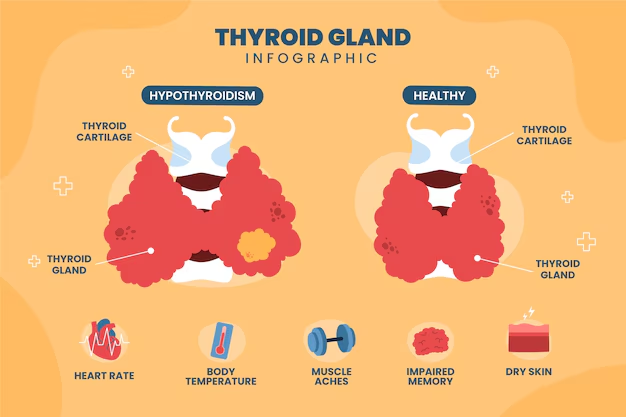
Before delving into Ayurvedic solutions, it’s important to understand common thyroid disorders:
- Hypothyroidism: Characterized by an underactive thyroid gland, leading to insufficient production of thyroid hormones. Symptoms include weight gain, fatigue, cold intolerance, and constipation.
- Hyperthyroidism: This condition involves an overactive thyroid gland producing excess thyroid hormones, which can cause symptoms such as weight loss, rapid heartbeat, heat intolerance, and anxiety.
- Hashimoto’s Thyroiditis: An autoimmune condition where the immune system attacks the thyroid gland, often leading to hypothyroidism.
- Graves’ Disease: Another autoimmune disorder that causes hyperthyroidism, characterized by an overactive thyroid and symptoms similar to those of hyperthyroidism.
Ayurvedic Perspective on Thyroid Health
Ayurveda views thyroid disorders through the lens of balance and imbalance in the body’s doshas (biological energies). The three doshas—Vata, Pitta, and Kapha—represent different physiological and psychological functions. An imbalance in these doshas can lead to various health issues, including thyroid problems.
- Vata Dosha: Associated with movement and regulation in the body. Imbalances can lead to conditions like hypothyroidism, characterized by dryness, coldness, and irregularity.
- Pitta Dosha: Linked to metabolism and transformation. An imbalance in Pitta may result in hyperthyroidism, marked by heat, inflammation, and overactivity.
- Kapha Dosha: Connected with stability and structure. Excess Kapha can contribute to conditions like Hashimoto’s thyroiditis, characterized by heaviness, lethargy, and congestion.
Ayurvedic Diet for Thyroid Health
Diet plays a crucial role in maintaining thyroid health and restoring balance. Ayurveda suggests incorporating specific foods and avoiding others to support thyroid function:
- Foods to Include:
- Iodine-Rich Foods: Sea vegetables like kelp and nori are excellent sources of iodine, essential for thyroid hormone production.
- Anti-Inflammatory Foods: Turmeric, ginger, and garlic help reduce inflammation and support overall thyroid health.
- Healthy Fats: Avocados, nuts, and seeds provide essential fatty acids that support hormonal balance.
- Leafy Greens: Spinach, kale, and other greens provide important vitamins and minerals that support thyroid function.
- Foods to Avoid:
- Goitrogens: Foods like raw cruciferous vegetables (e.g., broccoli, cauliflower) can interfere with iodine absorption. Cooking these vegetables can reduce their goitrogenic effects.
- Processed Foods: High in unhealthy fats and sugars, processed foods can exacerbate inflammation and imbalances in the body.
- Caffeine and Alcohol: These can disrupt hormonal balance and affect overall thyroid function.
Ayurvedic Herbal Remedies
Ayurveda employs a variety of herbs to support thyroid health and balance doshas:
- Ashwagandha (Withania somnifera): Known for its adaptogenic properties, Ashwagandha helps balance Vata and supports overall thyroid function. It can be particularly beneficial for individuals with hypothyroidism.
- Guggul (Commiphora wightii): This herb supports healthy thyroid function and helps balance Kapha dosha. It is often used in cases of hypothyroidism and weight management.
- Kanchanar Guggul: A traditional Ayurvedic formula used to support thyroid health and detoxify the body. It is particularly useful for conditions like goiter and Hashimoto’s thyroiditis.
- Guduchi (Tinospora cordifolia): Known for its immune-boosting properties, Guduchi helps balance Pitta dosha and supports overall thyroid health.
- Triphala: A blend of three fruits—Amalaki, Bibhitaki, and Haritaki—Triphala supports digestive health and detoxification, which can indirectly benefit thyroid function.
Ayurvedic Lifestyle Practices
In addition to diet and herbal remedies, Ayurveda emphasizes lifestyle practices that support thyroid health:
- Routine: Following a regular daily routine (Dinacharya) helps maintain balance in the body’s doshas and supports overall well-being.
- Yoga and Exercise: Gentle yoga poses and regular physical activity help balance the doshas and support thyroid function. Poses like the shoulder stand (Sarvangasana) and fish pose (Matsyasana) can be particularly beneficial.
- Stress Management: Chronic stress can impact thyroid function. Practices such as meditation, deep breathing, and mindfulness can help manage stress and support thyroid health.
- Adequate Sleep: Ensuring sufficient, restful sleep is essential for hormonal balance and overall health. Establish a consistent sleep routine and create a relaxing bedtime environment.
- Hydration: Drinking plenty of warm water throughout the day helps maintain proper digestion and supports overall metabolic function.
Integrating Ayurveda with Conventional Treatments
Ayurveda for Thyroid Health: A Holistic Approach to Wellness while Ayurveda offers valuable insights and remedies for thyroid health, it’s essential to integrate these practices with conventional medical treatments. Regular consultations with healthcare professionals are crucial for managing thyroid disorders effectively.
For individuals on thyroid medication, Ayurvedic remedies should be used as complementary rather than substitute therapies. Always consult with a healthcare provider before starting any new herbal supplements or making significant changes to your diet and lifestyle.
Conclusion
Ayurveda provides a holistic approach to thyroid health by addressing imbalances in the body’s doshas and promoting overall well-being through diet, herbal remedies, and lifestyle practices. By incorporating Ayurvedic principles into your daily routine, you can support thyroid function and achieve a greater sense of balance and vitality. Remember to work closely with healthcare professionals to ensure a comprehensive approach to managing thyroid disorders and achieving optimal health.


About author






Leave a reply