
Ayurveda and Blood Purification: A Holistic Approach to Health
Ayurveda and Blood Purification: A Holistic Approach to Health the ancient system of medicine that originated in India over 5,000 years ago, is rooted in the philosophy that health is achieved through a balance of the mind, body, and spirit. One of the core principles of Ayurveda is the concept of purification, particularly the purification of blood. According to Ayurvedic texts, the state of one’s blood is crucial for overall health and wellness. Impurities in the blood, referred to as “rakta dushti,” can lead to various health issues, ranging from skin disorders to more serious chronic conditions.
The Importance of Blood Purification in Ayurveda
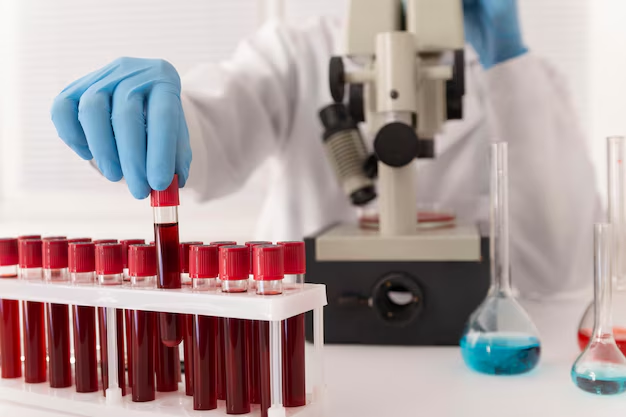
Ayurveda and Blood Purification: A Holistic Approach to Health blood (rakta) is considered one of the most vital components of the body, playing a key role in maintaining health and vitality. Rakta is responsible for nourishing the tissues, providing oxygen to the body, and maintaining the overall balance of bodily functions. When blood is impure, it can disrupt the delicate balance of the doshas (vata, pitta, and kapha), leading to a range of ailments.
Ayurvedic practitioners believe that impure blood is often the result of poor digestion, unhealthy diet, lifestyle factors, and environmental toxins. These impurities can manifest as toxins or “ama,” which can accumulate in the blood and other tissues, causing various health problems. Purifying the blood is, therefore, a central focus in Ayurveda, aimed at restoring balance and promoting overall well-being.
Understanding the Doshas and Blood Purification
Ayurveda categorizes individuals into three primary doshas: Vata, Pitta, and Kapha. Each dosha represents a combination of the five elements (earth, water, fire, air, and ether) and has its unique characteristics. Blood purification is particularly linked with the Pitta dosha, which is associated with fire and governs metabolism, digestion, and transformation.
When Pitta is in balance, it supports healthy digestion and metabolism, leading to the proper formation and purification of blood. However, an imbalance in Pitta can lead to the accumulation of excess heat in the body, resulting in conditions like inflammation, acidity, and skin disorders, all of which indicate impure blood. Ayurveda emphasizes the importance of maintaining Pitta balance through diet, lifestyle, and specific herbal remedies to ensure optimal blood purification.
Ayurvedic Herbs and Remedies for Blood Purification
Ayurveda offers a vast array of herbs and natural remedies known for their blood-purifying properties. These herbs not only detoxify the blood but also support overall health by improving digestion, enhancing immunity, and reducing inflammation.
1. Neem (Azadirachta indica):
Neem is one of the most powerful blood purifiers in Ayurveda. Known for its bitter taste, neem has strong antibacterial, antifungal, and antiviral properties. It helps in detoxifying the blood, improving skin health, and supporting the immune system. Neem is often used in the form of capsules, powders, or as a decoction to cleanse the blood and eliminate toxins.
2. Manjistha (Rubia cordifolia):
Manjistha is a renowned Ayurvedic herb specifically known for its ability to purify the blood and lymphatic system. It has anti-inflammatory and antioxidant properties that help in removing toxins from the blood, promoting healthy circulation, and improving skin complexion. Manjistha is commonly used in powder or capsule form and can be consumed with warm water or honey.
3. Turmeric (Curcuma longa):
Turmeric, a staple in Ayurvedic medicine, is celebrated for its blood-purifying and anti-inflammatory properties. The active compound in turmeric, curcumin, helps in detoxifying the liver and purifying the blood. Turmeric also supports healthy digestion and enhances the body’s natural detoxification processes. It can be consumed in the form of turmeric milk, tea, or as a supplement.
4. Guduchi (Tinospora cordifolia):
Guduchi, also known as Amrita or Giloy, is a potent herb in Ayurveda that acts as a rejuvenator and detoxifier. It helps in purifying the blood, boosting immunity, and combating infections. Guduchi is often used in the form of decoctions, powders, or tablets to cleanse the blood and promote overall vitality.
5. Amla (Phyllanthus emblica):
Amla, or Indian gooseberry, is a rich source of vitamin C and a powerful antioxidant. It aids in detoxifying the blood, enhancing liver function, and supporting the immune system. Amla is commonly consumed in the form of juice, powder, or as an ingredient in Ayurvedic formulations like Chyawanprash.
Dietary Guidelines for Blood Purification
In addition to herbal remedies, Ayurveda places a strong emphasis on diet as a means of purifying the blood. A diet that supports healthy digestion and elimination is crucial for preventing the accumulation of toxins in the blood.
1. Fresh Fruits and Vegetables:
Incorporating fresh, organic fruits and vegetables into the diet is essential for blood purification. Foods like leafy greens, beets, carrots, and pomegranates are particularly beneficial for detoxifying the blood and supporting liver function.
2. Hydration:
Proper hydration is key to maintaining healthy blood. Drinking plenty of water throughout the day helps in flushing out toxins from the blood and supporting kidney function. Herbal teas, such as those made from fennel, coriander, or cumin, can also aid in detoxification.
3. Avoiding Processed Foods:
Ayurveda advises against consuming processed, fried, and sugary foods, as they can contribute to the buildup of toxins in the blood. Instead, focus on whole, natural foods that are easy to digest and nourish the body.
4. Spices and Herbs:
Using spices like turmeric, cumin, coriander, and fennel in cooking can aid in digestion and support blood purification. These spices help in stimulating digestion, reducing inflammation, and promoting detoxification.
Lifestyle Practices for Blood Purification
Ayurveda also recommends certain lifestyle practices to support the process of blood purification and maintain overall health.
1. Regular Exercise:
Engaging in regular physical activity is important for maintaining healthy circulation and supporting the body’s natural detoxification processes. Practices like yoga, brisk walking, or swimming can help in improving blood flow and promoting the elimination of toxins.
2. Pranayama (Breathing Exercises):
Pranayama, or yogic breathing exercises, are highly beneficial for enhancing oxygenation of the blood and reducing stress. Techniques like Kapalabhati and Anulom Vilom are particularly effective in purifying the blood and improving respiratory health.
3. Adequate Sleep:
Getting sufficient sleep is crucial for the body’s natural detoxification and repair processes. Ayurveda emphasizes the importance of a regular sleep routine to support overall health and well-being.
4. Stress Management:
Chronic stress can contribute to the imbalance of doshas and the accumulation of toxins in the blood. Ayurvedic practices such as meditation, mindfulness, and spending time in nature can help in reducing stress and promoting mental clarity.
The Role of Panchakarma in Blood Purification
Panchakarma is a specialized branch of Ayurveda that focuses on detoxification and rejuvenation. It involves a series of therapeutic procedures designed to cleanse the body of toxins and restore balance. Panchakarma therapies, such as Virechana (therapeutic purgation) and Rakta Mokshana (bloodletting), are particularly effective in purifying the blood.
Virechana: This therapy involves the administration of purgative substances to cleanse the digestive tract and eliminate toxins from the blood. It is particularly useful for balancing the Pitta dosha and addressing conditions like skin disorders and inflammation.
Rakta Mokshana: This is an ancient Ayurvedic procedure that involves the removal of impure blood from the body to treat certain conditions.
Conclusion
Ayurveda and Blood Purification: A Holistic Approach to Health is a fundamental aspect of Ayurveda, rooted in the belief that a clean and balanced internal environment is essential for overall health and well-being. By incorporating Ayurvedic herbs, dietary guidelines, lifestyle practices, and therapies like Panchakarma, individuals can effectively purify their blood and support their body’s natural healing processes.
Ayurveda offers a holistic approach to blood purification that goes beyond merely treating symptoms. It emphasizes the importance of prevention, balance, and harmony in maintaining health. Whether you are dealing with specific health issues or simply seeking to improve your overall vitality, the principles of Ayurveda provide a time-tested and comprehensive guide to achieving optimal blood health. By embracing these ancient practices, you can pave the way for a healthier, more balanced life.
This blog adheres to the principles of Ayurveda and offers insights into how you can naturally purify your blood for better health. Whether you’re new to Ayurveda or looking to deepen your understanding, these practices and remedies provide a holistic approach to wellness.


About author



Leave a reply