
Ayurveda and Alcohol Consumption: A Comprehensive Guide
Introduction
Ayurveda and Alcohol Consumption: A Comprehensive Guide the ancient Indian system of medicine, offers a holistic approach to health and wellness that balances body, mind, and spirit. Rooted in the principles of natural harmony, Ayurveda emphasizes individualized care and preventive strategies. One area where Ayurveda provides insightful guidance is in the consumption of alcohol. This blog explores how alcohol consumption aligns with Ayurvedic principles, its potential impact on health, and recommendations for a balanced approach.
The Ayurvedic Perspective on Alcohol
In Ayurveda, alcohol is considered a “viruddha ahara” (incompatible food) that can disrupt the body’s natural balance. It is often viewed through the lens of its effects on the doshas—Vata, Pitta, and Kapha. Each dosha represents a combination of the five elements (earth, water, fire, air, and ether) and governs specific physiological and psychological functions.
- Vata Dosha: Vata, which embodies the elements of air and ether, governs movement and communication. Alcohol, being heating and drying, can aggravate Vata, leading to issues such as anxiety, insomnia, and digestive disturbances.
- Pitta Dosha: Pitta, composed of fire and water, oversees digestion, metabolism, and transformation. Alcohol can exacerbate Pitta due to its heating qualities, potentially causing inflammation, acidity, and irritability.
- Kapha Dosha: Kapha represents earth and water and is associated with stability and structure. While alcohol can sometimes help to balance Kapha’s heaviness, excessive consumption can lead to its aggravation, resulting in lethargy, weight gain, and respiratory issues.
The Impact of Alcohol on Digestion
Ayurveda places significant emphasis on digestion, known as “Agni” (digestive fire). A balanced Agni is crucial for good health, as it ensures proper nutrient assimilation and toxin elimination. Alcohol consumption can disrupt Agni in several ways:
- Weakening Agni: Alcohol is considered heavy and can weaken digestive fire, leading to improper digestion and the formation of toxins (“Ama”) in the body.
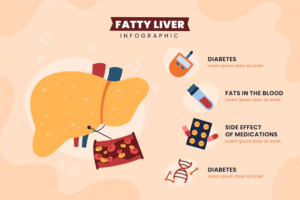
- Impairing Liver Function: The liver is integral to digestion and detoxification. Excessive alcohol consumption can impair liver function, leading to a buildup of toxins and imbalances in the body.
- Altered Nutrient Absorption: Alcohol can interfere with the absorption of essential nutrients, exacerbating deficiencies and imbalances.
Ayurvedic Guidelines for Alcohol Consumption

While Ayurveda advises caution with alcohol, it does not necessarily prohibit its consumption. Instead, it encourages moderation and mindfulness. Here are some Ayurvedic guidelines for consuming alcohol responsibly:
- Moderation: Ayurveda advocates for moderation in all aspects of life, including alcohol consumption. Limiting intake helps to prevent imbalances and supports overall well-being.
- Individual Constitution: Consider your dosha and current state of health when consuming alcohol. Individuals with a predominantly Vata constitution or those experiencing Vata imbalances should be particularly cautious.
- Food Pairing: Consuming alcohol with a balanced meal can help mitigate its impact on digestion. Pairing it with warm, cooked foods can assist in maintaining digestive fire.
- Herbal Remedies: Incorporating digestive herbs like ginger, cumin, and fennel can support Agni and help alleviate any potential digestive disturbances caused by alcohol.
- Avoid Excessive Drinking: Excessive drinking can lead to various health issues, including liver disease, digestive problems, and mental health disturbances. Ayurveda emphasizes balance and suggests that alcohol should be consumed in moderation and with awareness.
- Mindful Consumption: Approach alcohol consumption with mindfulness. Pay attention to how your body responds and adjust your intake accordingly. Alcohol should not be used as a means to escape stress or emotions but enjoyed responsibly.
Ayurvedic Remedies for Balancing Alcohol’s Effects
If you find yourself experiencing discomfort or imbalance due to alcohol consumption, Ayurveda offers several remedies to help restore harmony:
- Hydration: Drink plenty of water to help flush out toxins and support hydration. Herbal teas such as peppermint or chamomile can also aid in digestion.
- Digestive Aids: Herbal formulations like Triphala, which supports digestion and detoxification, can help balance the effects of alcohol. Ginger tea or cumin water can also soothe digestive disturbances.
- Rest and Recovery: Ensure adequate rest and sleep to allow your body to recover. Avoid strenuous activities that may further deplete your energy levels.
- Balanced Diet: Focus on a diet rich in fresh fruits, vegetables, and whole grains to support digestion and overall health. Avoid heavy, oily, or overly spicy foods that can exacerbate imbalances.
- Detoxification Practices: Engage in gentle detoxification practices such as Ayurvedic cleansing techniques (Panchakarma) to help remove accumulated toxins and restore balance.
Cultural and Social Considerations
Alcohol consumption often has cultural and social dimensions, and Ayurveda respects these traditions while providing guidance for maintaining health. In many cultures, alcohol is a part of social rituals and celebrations. Ayurveda encourages integrating mindful practices and balance into these cultural contexts.
- Cultural Sensitivity: Respect cultural practices related to alcohol consumption while applying Ayurvedic principles to ensure health and well-being.
- Social Moderation: Social settings can sometimes lead to excessive drinking. Being mindful of your limits and making conscious choices helps to maintain balance even in social situations.
Conclusion
Ayurveda and Alcohol Consumption: A Comprehensive Guide valuable insights into alcohol consumption, emphasizing the importance of moderation, individual constitution, and mindful practices. By following Ayurvedic guidelines and adopting a balanced approach, you can enjoy alcohol responsibly while supporting overall health and well-being.
Incorporating Ayurvedic principles into your lifestyle, including mindful alcohol consumption, can lead to a more harmonious and balanced life.


About author


Leave a reply