
Understanding Pitta Imbalance Symptoms: A Comprehensive Guide
Understanding Pitta Imbalance Symptoms: A Comprehensive Guide the ancient science of life originating in India, offers profound insights into maintaining health and well-being. Central to this wisdom is the concept of doshas—Vata, Pitta, and Kapha—each representing different elements and qualities that make up our physiological and psychological states. This blog will focus on Pitta dosha, exploring its imbalance symptoms, underlying causes, and effective Ayurvedic remedies.
What is Pitta Dosha?
In Ayurveda, Pitta dosha is primarily associated with the elements of fire and water. It governs digestion, metabolism, and transformation within the body. Its qualities include heat, intensity, and fluidity. When balanced, Pitta contributes to a vibrant and dynamic disposition. However, when out of balance, it can lead to a range of symptoms that affect both physical and mental health.
Symptoms of Pitta Imbalance
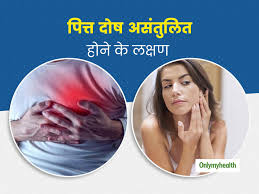
Understanding Pitta Imbalance Symptoms: A Comprehensive Guide manifests in various ways, impacting multiple systems in the body. Here are some common symptoms:
1. Digestive Issues
- Heartburn and Acid Reflux: Excess Pitta can lead to increased stomach acid production, causing burning sensations in the chest or throat.
- Diarrhea: Loose, frequent stools are often a sign of aggravated Pitta, as it disrupts the digestive fire.
- Nausea and Vomiting: Overactive Pitta can upset the stomach, leading to feelings of nausea or even vomiting.
2. Skin Problems
- Acne and Rashes: High Pitta levels often result in inflammation, which can manifest as acne, eczema, or other skin irritations.
- Hot, Sweaty Skin: An overheated body due to excess Pitta may produce excessive sweat, leading to a clammy feeling or an increased tendency to overheat.
3. Mental and Emotional Effects
- Irritability and Anger: Pitta’s fiery nature can lead to heightened anger, frustration, or irritability. People with Pitta imbalances may find themselves reacting with intense emotions to minor irritations.
- Stress and Anxiety: The heat of Pitta can stir up feelings of stress or anxiety, often leading to a restless mind and difficulty in relaxation.
4. General Physical Symptoms
- Inflammation and Fever: Pitta imbalances often result in inflammatory conditions and an increased susceptibility to fevers.
- Headaches: Migraines or persistent headaches can be attributed to elevated Pitta, especially if accompanied by nausea or sensitivity to light and sound.
- Excessive Thirst: Individuals with high Pitta may experience an intense thirst and a constant craving for cold beverages.
Causes of Pitta Imbalance
Understanding the root causes of Pitta imbalance is crucial for effective management. Common factors include:
1. Dietary Choices
- Spicy Foods: Consuming excessive spicy, sour, or salty foods can aggravate Pitta, as these foods add heat to the body.
- Caffeinated and Alcoholic Beverages: These substances increase heat and dryness, exacerbating Pitta imbalances.
- Inadequate Hydration: Lack of adequate fluids can lead to dehydration and amplify Pitta’s heat.
2. Lifestyle Factors
- Stressful Environment: High-stress situations or fast-paced lifestyles can disturb Pitta’s balance, increasing feelings of irritability and restlessness.
- Overexertion: Excessive physical activity or overworking can increase the body’s internal heat, leading to Pitta imbalance.
3. Seasonal Changes
- Summer Heat: Pitta tends to increase during hot weather, which can amplify its symptoms and disrupt equilibrium.
Ayurvedic Remedies for Pitta Imbalance
Addressing Pitta imbalance involves both lifestyle adjustments and dietary changes. Ayurvedic remedies focus on cooling and calming the excess heat in the body and mind. Here are some effective strategies:
1. Dietary Adjustments
- Cool and Soothing Foods: Incorporate cooling foods such as cucumbers, melons, and leafy greens. Favor sweet, bitter, and astringent tastes over spicy and salty ones.
- Hydrating Beverages: Drink plenty of water and herbal teas like mint or coriander to help balance Pitta and soothe the digestive system.
- Avoid Spicy and Acidic Foods: Reduce or eliminate hot spices, citrus fruits, and fermented foods from your diet to keep Pitta in check.
2. Lifestyle Practices
- Stress Management: Engage in relaxation techniques such as yoga, meditation, and deep breathing exercises to calm the mind and reduce Pitta-induced stress.
- Moderate Exercise: Opt for gentle exercises like swimming, walking, or yoga that do not overheat the body.
- Adequate Rest: Ensure you get enough sleep and rest to allow the body to rejuvenate and maintain balance.
3. Herbal Remedies
- Aloe Vera: Known for its cooling properties, aloe vera can help soothe inflammation and digestive issues.
- Licorice Root: This herb has a sweet taste and cooling effect that can help balance Pitta and alleviate symptoms such as heartburn.
- Coriander and Fennel: These herbs aid digestion and help counteract excess heat in the body.
4. Daily Routine
- Abhyanga (Oil Massage): Regular self-massage with cooling oils like coconut or sesame oil can help pacify Pitta and nourish the skin.
- Cool Baths: Taking cool or lukewarm baths can help lower body heat and provide relief from Pitta symptoms.
- Stay Cool: Avoiding direct exposure to the sun and staying in cool, well-ventilated spaces can help prevent overheating.
Conclusion
Understanding Pitta Imbalance Symptoms: A Comprehensive Guide in the Pitta dosha is essential for overall well-being and health. By understanding the symptoms and causes of Pitta imbalance, as well as incorporating Ayurvedic remedies into your daily routine, you can effectively manage and restore balance. Ayurveda offers a holistic approach to health that emphasizes harmony between body, mind, and environment, guiding us towards a more balanced and fulfilling life.
For personalized advice and treatment, consider consulting an Ayurvedic practitioner who can provide tailored recommendations based on your unique constitution and current state of health. Embracing these practices not only addresses Pitta imbalances but also promotes a more harmonious and balanced way of living.

About author

Leave a reply