
Understanding Ayurvedic Sattva, Rajas, and Tamas: The Three Gunas of Existence
Understanding Ayurvedic Sattva, Rajas, and Tamas: The Three Gunas of Existence the ancient system of medicine originating from India, provides a comprehensive approach to understanding human nature and the universe. Central to Ayurvedic philosophy are the three Gunas—Sattva, Rajas, and Tamas. These Gunas represent fundamental qualities or energies that influence our mental and physical states, and understanding them can lead to a more balanced and harmonious life.
The Concept of the Gunas
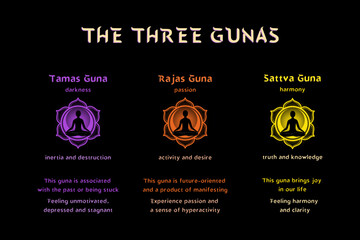
Understanding Ayurvedic Sattva, Rajas, and Tamas: The Three Gunas of Existence, the Gunas are seen as the three primary qualities of nature. They are not merely traits but dynamic forces that interact to shape our experience and perception of reality. Each Guna influences behavior, thought processes, and overall well-being. Let’s explore each Guna in detail:
- Sattva: The Quality of Purity and HarmonyDefinition and Characteristics: Sattva is often translated as purity, harmony, and balance. It represents clarity, wisdom, and tranquility. When Sattva predominates, a person exhibits qualities such as calmness, compassion, and a sense of inner peace. The mind is clear, focused, and oriented towards higher truths and ethical behavior.Impact on Well-being: A predominance of Sattva leads to mental clarity, stability, and a sense of joy and contentment. It fosters an environment where spiritual growth can flourish and where decisions are made with discernment and wisdom. Sattvic individuals are generally healthy, have good relationships, and can maintain a harmonious lifestyle.Cultivating Sattva: To enhance Sattva, one can engage in practices such as meditation, mindful eating, and living in a clean and peaceful environment. Consuming fresh, organic, and sattvic foods like fruits, vegetables, and whole grains can also promote this quality. Avoiding excessive stimulation and practicing self-discipline are essential for maintaining Sattva.
- Rajas: The Quality of Activity and DesireDefinition and Characteristics: Rajas is associated with activity, desire, and dynamism. It represents movement, ambition, and restlessness. There is a tendency for action and change, but it can also lead to agitation, anxiety, and dissatisfaction.Impact on Well-being: While Rajas can drive productivity and achievement, excessive Rajas can lead to stress, overwork, and a lack of inner peace. Individuals driven predominantly by Rajas may find themselves in a constant state of seeking, never quite satisfied and always striving for more. This can impact health negatively, leading to conditions such as burnout and mental exhaustion.Balancing Rajas: To manage Rajas, it is important to incorporate periods of rest and relaxation into one’s routine. Engaging in calming activities, such as yoga or leisure time in nature, can help balance the restless energy of Rajas. Mindful practices that bring awareness to desires and motivations can also be beneficial.
- Tamas: The Quality of Inertia and DarknessDefinition and Characteristics: Tamas is characterized by inertia, darkness, and ignorance. It represents lethargy, confusion, and a lack of motivation. When Tamas predominates, a person may experience stagnation, procrastination, and a general lack of energy or interest in life.Impact on Well-being: Excessive Tamas can lead to mental and physical lethargy, confusion, and disorientation.This Guna can hinder personal growth and lead to negative health outcomes if not addressed.Overcoming Tamas: To counteract Tamas, one should focus on engaging in stimulating and energizing activities. Setting goals, creating a structured routine, and involving oneself in purposeful and meaningful work can help overcome the inertia of Tamas. Maintaining a balanced diet and staying active are also crucial for keeping Tamas in check.
The Interplay of the Gunas
The Gunas are not static; they are dynamic and interact in various ways. The balance among Sattva, Rajas, and Tamas influences our overall mental and physical health.
- Guna Imbalance and Health: An imbalance among the Gunas can manifest as various physical or mental health issues. For example, an excess of Rajas and Tamas may lead to stress-related disorders, while an excess of Tamas and a lack of Rajas can result in depression and inactivity. Understanding the interplay among the Gunas can help in diagnosing and addressing these imbalances.
- Seasonal and Lifestyle Influences: The predominance of each Guna can also vary with seasons, times of day, and lifestyle choices. For instance, winter and nighttime may amplify Tamas, while summer and daytime may increase Rajas. Adjusting one’s lifestyle and practices in accordance with these natural rhythms can help maintain a balanced state.
Practical Applications
- Diet and Nutrition: Ayurveda emphasizes the importance of diet in balancing the Gunas. Sattvic foods such as fresh fruits, vegetables, and whole grains promote clarity and calmness. Rajasic foods like spicy or overly stimulating foods can increase restlessness, while Tamasic foods such as processed or stale foods can lead to lethargy.
- Lifestyle Choices: Daily routines should incorporate practices that promote Sattva and manage Rajas and Tamas. This includes regular exercise, meditation, and a balanced schedule that includes both work and relaxation.
- Self-awareness and Reflection: Regular self-assessment can help identify which Guna is predominant in different areas of life. Reflecting on one’s actions, thoughts, and emotional states can provide insights into necessary adjustments for achieving balance.
- Spiritual and Personal Growth: Engaging in spiritual practices that align with Sattvic qualities can enhance overall well-being. Practices such as mindfulness, selfless service, and ethical living support the cultivation of Sattva.
Conclusion
Understanding the Gunas—Sattva, Rajas, and Tamas—provides a profound insight into the nature of existence and personal well-being.Understanding Ayurvedic Sattva, Rajas, and Tamas: The Three Gunas of Existence. By recognizing and balancing these qualities within ourselves, we can achieve greater harmony, health, and fulfillment. Embracing this knowledge and applying it thoughtfully can lead to a more harmonious and enriched life experience.


About author





Leave a reply