
The Role of Pranayama in Ayurvedic Wellness
The Role of Pranayama in Ayurvedic Wellness Ayurveda, the ancient system of medicine originating from India, emphasizes a holistic approach to health and wellness, integrating physical, mental, and spiritual dimensions. At the heart of Ayurvedic practice is the concept of balance—of the body’s doshas (Vata, Pitta, and Kapha), of the mind, and of one’s lifestyle. One essential practice that aligns seamlessly with Ayurvedic principles is Pranayama, the yogic discipline of controlled breathing. This practice plays a pivotal role in promoting well-being, enhancing vitality, and restoring equilibrium.
Understanding Pranayama
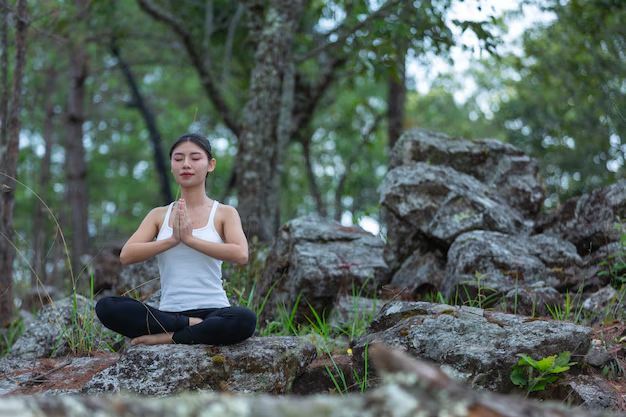
The Role of Pranayama in Ayurvedic Wellness Ayurveda, derived from the Sanskrit words “prana” (life force or breath) and “ayama” (extension or control), is a set of breathing techniques designed to regulate and harness the vital energy within us. Unlike regular breathing, which is often unconscious and shallow, Pranayama involves deliberate and rhythmic breath patterns that impact the body’s energy systems, mind, and spirit.
The Ayurvedic Perspective on Breath and Prana
In Ayurveda, prana is considered the vital life force that flows through all living beings. It governs all bodily functions and is closely related to the doshas. Proper regulation of prana is essential for maintaining health and balance. The breath is the primary vehicle through which prana is absorbed, distributed, and utilized within the body.
Each dosha in Ayurveda is associated with specific qualities and functions:
- Vata Dosha: Governed by the elements of air and ether, Vata is associated with movement and dryness. It controls bodily functions related to movement, communication, and elimination.
- Pitta Dosha: Composed of fire and water elements, Pitta governs digestion, metabolism, and transformation.
- Kapha Dosha: With earth and water elements, Kapha provides stability, lubrication, and structure to the body.
Pranayama can influence these doshas by modulating the flow of prana, thus helping to balance the doshas and address imbalances.
Pranayama Techniques and Their Ayurvedic Benefits
Several Pranayama techniques can be integrated into Ayurvedic wellness practices, each serving different purposes and offering various benefits:
- Nadi Shodhana (Alternate Nostril Breathing)
- Technique: Sit comfortably, close your right nostril with your thumb, inhale deeply through the left nostril, then close the left nostril with your ring finger and exhale through the right nostril. Repeat, alternating sides.
- Benefits: Nadi Shodhana helps balance the Vata dosha by calming the nervous system and reducing stress. It also harmonizes the right and left hemispheres of the brain, promoting mental clarity and emotional stability.
- Kapalabhati (Skull Shining Breath)
- Technique: Sit upright, take a deep breath in, and then forcefully exhale through the nose while actively engaging the abdominal muscles. Allow the inhalation to be passive and automatic. Repeat in rapid succession.
- Benefits: Kapalabhati is invigorating and stimulating. It helps balance the Kapha dosha by improving digestion, increasing energy levels, and clearing the mind. This practice is particularly useful in addressing sluggishness or lethargy.
- Ujjayi (Victorious Breath)
- Technique: Inhale deeply through the nose while slightly constricting the throat, creating a soft, ocean-like sound. Exhale through the nose with the same constriction.
- Benefits: Ujjayi breath balances the Pitta dosha by cooling and calming the mind. It enhances concentration and endurance, making it ideal for managing stress and maintaining mental clarity.
- Bhramari (Bee Breath)
- Technique: Inhale deeply through the nose, then produce a gentle humming sound on the exhale, resembling the sound of a bee. Place your fingers on your ears to enhance the vibration if desired.
- Benefits: Bhramari helps soothe the nervous system and reduce anxiety. It balances the Vata dosha, calms the mind, and can be particularly beneficial for those experiencing mental restlessness.
Integrating Pranayama into Ayurvedic Practice
Incorporating Pranayama into an Ayurvedic wellness routine involves understanding individual dosha imbalances and aligning the breathing practices accordingly:
- Balancing Vata Dosha: For individuals with an excess of Vata, characterized by dryness, irregularity, and anxiety, Pranayama techniques like Nadi Shodhana and Ujjayi can be highly beneficial. These practices help to stabilize the nervous system and foster a sense of calm and groundedness.
- Balancing Pitta Dosha: Those with an overactive Pitta dosha, marked by intensity, irritability, and digestive issues, should focus on cooling and calming techniques like Ujjayi and Bhramari. These practices help to reduce inflammation and balance the fiery nature of Pitta.
- Balancing Kapha Dosha: For individuals with excess Kapha, characterized by heaviness, sluggishness, and congestion, stimulating techniques such as Kapalabhati and energizing Pranayama can be beneficial. These practices help to invigorate the body and mind, enhancing overall vitality.
Practical Tips for Practicing Pranayama
To maximize the benefits of Pranayama and ensure it complements Ayurvedic principles, consider the following tips:
- Consult an Ayurvedic Practitioner: Before starting any new practice, it’s wise to consult an Ayurvedic practitioner to understand your dosha constitution and any imbalances. They can provide personalized recommendations for Pranayama techniques suited to your needs.
- Create a Consistent Practice: Incorporate Pranayama into your daily routine to experience its full benefits. Even a few minutes each day can make a significant difference in your overall well-being.
- Practice Mindfulness: Combine Pranayama with mindfulness or meditation to enhance its effects. Being fully present during your practice can deepen its impact on your mental and emotional state.
- Listen to Your Body: Pranayama should be practiced with awareness and sensitivity to your body’s responses. Avoid straining or forcing the breath, and adjust the practice according to your comfort level.
- Incorporate Ayurveda Lifestyle Practices: Complement your Pranayama practice with other Ayurvedic lifestyle practices, such as a balanced diet, proper sleep, and daily self-care routines, to support overall wellness.
Conclusion
The Role of Pranayama in Ayurvedic Wellness Ayurveda, is a profound practice that aligns with Ayurvedic principles to promote holistic health and balance. By regulating the breath and harnessing the flow of prana, Pranayama helps to balance the doshas, enhance vitality, and support mental and emotional well-being. Integrating this practice into your daily routine, with attention to individual dosha imbalances and overall wellness goals, can lead to a more harmonious and vibrant life. Embrace the art of conscious breathing, and discover how Pranayama can become a cornerstone of your Ayurvedic wellness journey.


About author



Leave a reply