
Ayurvedic Care for Menstrual Health: Alleviating PMS and Menstrual Pain
Ayurvedic Care for Menstrual Health: Alleviating PMS and Menstrual Pain Menstrual health is a crucial aspect of overall well-being, yet it often remains a topic shrouded in discomfort and silence. Premenstrual Syndrome (PMS) and menstrual pain, or dysmenorrhea, are common issues affecting many women, impacting their quality of life. Fortunately, Ayurveda, the ancient system of medicine originating from India, offers holistic and natural remedies to help alleviate these concerns. This blog explores Ayurvedic approaches to menstrual health, focusing on managing PMS and menstrual pain.
Understanding Menstrual Health in Ayurveda
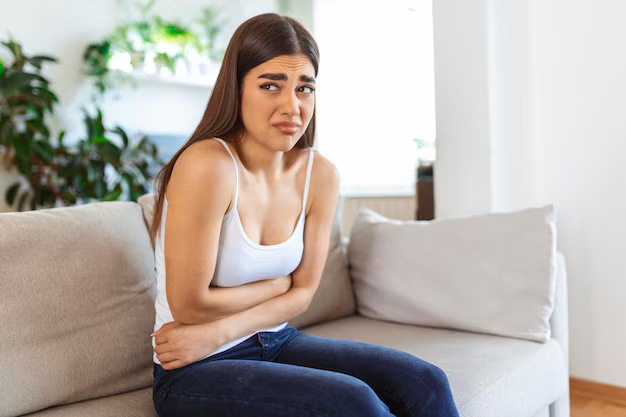
Ayurveda views menstrual health through the lens of balance and harmony within the body’s three doshas: Vata, Pitta, and Kapha. Each dosha represents a different combination of the five elements (earth, water, fire, air, and ether), and their balance influences physiological and psychological health. Menstrual health, according to Ayurveda, is closely tied to the balance of these doshas, particularly Vata and Pitta.
- Vata Dosha: Governs movement and is responsible for the flow of menstrual blood. Imbalances in Vata can lead to irregular periods, cramping, and discomfort.
- Pitta Dosha: Governs metabolism and transformation. An excess of Pitta can result in heavy bleeding, inflammation, and irritability.
- Kapha Dosha: Governs structure and lubrication. Imbalances in Kapha can lead to excessive fluid retention and a feeling of heaviness.
Ayurvedic Principles for Managing PMS and Menstrual Pain
Ayurveda emphasizes a personalized approach to treatment based on individual constitution (Prakriti) and current imbalances (Vikriti). Here are some general Ayurvedic strategies for managing PMS and menstrual pain:
1. Diet and Nutrition
Diet plays a significant role in balancing the doshas and managing menstrual health. Ayurvedic dietary recommendations include:
- Warm, Nourishing Foods: Opt for warm, cooked meals that are easy to digest. Soups, stews, and herbal teas can soothe Vata and Kapha imbalances.
- Avoid Cold and Raw Foods: Cold and raw foods can aggravate Vata, leading to increased pain and discomfort.
- Incorporate Anti-inflammatory Spices: Turmeric, ginger, and cinnamon have anti-inflammatory properties that can help reduce menstrual pain and balance Pitta.
- Increase Magnesium Intake: Foods rich in magnesium, such as leafy greens, nuts, and seeds, can help ease cramps and stabilize mood.
2. Herbal Remedies
Ayurveda utilizes a variety of herbs to support menstrual health. Some effective herbs include:
- Ashwagandha (Withania somnifera): Known for its adaptogenic properties, ashwagandha can help manage stress and balance Vata dosha.
- Shatavari (Asparagus racemosus): This herb is traditionally used to support female reproductive health and balance hormones.
- Chaste Tree (Vitex agnus-castus): Often used to regulate menstrual cycles and alleviate PMS symptoms.
- Ginger (Zingiber officinale): Useful for its anti-inflammatory and analgesic properties, ginger can reduce menstrual cramps.
3. Lifestyle Practices
Incorporating specific lifestyle practices can enhance menstrual health:
- Regular Exercise: Gentle exercises like yoga, walking, and swimming can help alleviate menstrual cramps and improve circulation.
- Abhyanga (Self-Massage): Using warm sesame oil for self-massage can help balance Vata dosha and reduce pain.
- Adequate Rest: Ensure you get enough rest and manage stress effectively to maintain hormonal balance.
- Stress Management: Practices such as meditation, deep breathing exercises, and mindfulness can help manage PMS symptoms by reducing stress and emotional imbalance.
4. Yoga and Physical Activity
Yoga can be particularly beneficial for menstrual health by promoting relaxation and improving circulation. Specific yoga poses that can help with menstrual pain and PMS include:
- Child’s Pose (Balasana): This restorative pose can help relieve lower back pain and cramping.
- Cobra Pose (Bhujangasana): This pose helps open the pelvis and reduce lower abdominal discomfort.
- Legs Up the Wall Pose (Viparita Karani): This inversion can improve circulation and reduce bloating.
Personalizing Ayurvedic Care
While these general guidelines provide a starting point, Ayurveda emphasizes personalized care. Working with an Ayurvedic practitioner can help tailor treatments to your specific needs. Here are some considerations for personalized care:
- Constitution and Imbalance Assessment: An Ayurvedic practitioner will assess your dosha constitution and current imbalances to recommend a customized approach.
- Menstrual Cycle Patterns: Understanding your unique menstrual cycle and symptoms can help in selecting the most effective remedies and lifestyle changes.
- Holistic Approach: Ayurveda takes a comprehensive view of health, so addressing factors such as sleep, stress, and overall lifestyle is essential for effective management.
Combining Ayurveda with Modern Medicine
Ayurveda can complement modern medical treatments but should not replace them. If you experience severe menstrual pain or symptoms that significantly impact your daily life, it is important to consult a healthcare professional. Ayurvedic Care for Menstrual Health: Alleviating PMS and Menstrual Pain Combining Ayurvedic practices with conventional treatments can provide a holistic approach to managing menstrual health.
Conclusion
Ayurvedic Care for Menstrual Health: Alleviating PMS and Menstrual Pain offers a holistic and natural approach to alleviating PMS and menstrual pain. By focusing on diet, herbal remedies, lifestyle practices, and personalized care, Ayurveda addresses the root causes of menstrual discomfort and promotes overall well-being. Incorporating these practices into your daily routine can help balance your doshas, ease menstrual symptoms, and enhance your quality of life. Always remember to seek professional guidance to ensure a safe and effective approach to managing your menstrual health.
Embrace the wisdom of Ayurveda and embark on a journey towards a more balanced and comfortable menstrual experience.

About author


Leave a reply