
Ayurveda and Kidney Health: Preventing and Managing Kidney Disorders
Ayurveda and Kidney Health: Preventing and Managing Kidney Disorders kidneys, essential for filtering toxins and maintaining fluid balance, play a critical role in our overall health. In modern times, the prevalence of kidney disorders has increased, often linked to lifestyle and dietary habits. Ayurveda, an ancient system of medicine from India, offers a holistic approach to preventing and managing kidney disorders. This blog will explore how Ayurvedic principles can be applied to support kidney health, focusing on prevention and management strategies.
Understanding Kidney Health in Ayurveda
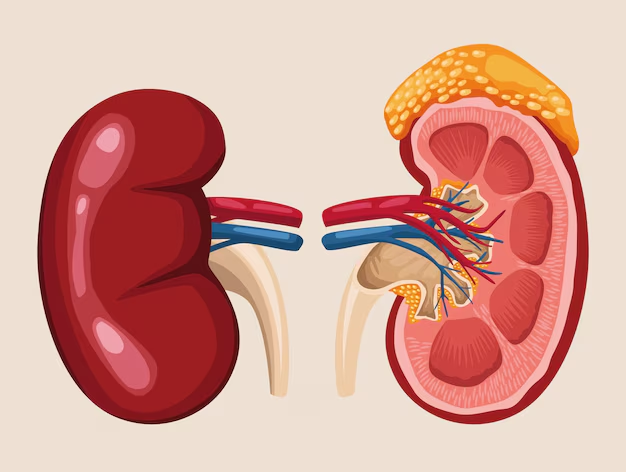
Ayurveda views the body as a complex interplay of three doshas (Vata, Pitta, and Kapha), five elements (earth, water, fire, air, and ether), and seven dhatus (tissues). The kidneys are associated with the Apana Vata (a sub-dosha of Vata) and are critical for the proper functioning of the urinary system.
According to Ayurveda, imbalances in the doshas can lead to various kidney disorders. For instance, an excess of Vata can cause dryness and lack of fluid retention, potentially leading to conditions such as kidney stones or urinary tract infections (UTIs). An imbalance in Pitta can cause inflammation and irritation, contributing to conditions like nephritis or interstitial cystitis.
Preventing Kidney Disorders with Ayurveda
1. Dietary Considerations
Ayurveda emphasizes the importance of a balanced diet in maintaining kidney health. Here are some dietary recommendations:
- Hydration: Proper hydration is crucial. Drink ample water throughout the day, but avoid excessive intake of cold water, which can aggravate Vata dosha. Warm herbal teas such as ginger or fennel tea can be beneficial.
- Avoiding Excessive Salt: High salt intake can increase the burden on the kidneys. Use natural herbs and spices for flavoring instead of salt. Turmeric, coriander, and cumin are excellent choices.
- Incorporate Kidney-Friendly Foods: Foods such as cucumbers, celery, and beets support kidney function. Incorporating these into your diet can help maintain kidney health.
- Moderation in Protein Intake: Excessive protein can stress the kidneys. Opt for moderate amounts of easily digestible proteins like lentils, beans, and small portions of lean meat if your body tolerates it.
2. Daily Routines
Ayurveda promotes daily routines that support overall health and balance:
- Regular Sleep: Maintaining a regular sleep schedule supports kidney function. Aim for 7-8 hours of quality sleep each night.
- Exercise: Gentle exercises like yoga and walking enhance circulation and support kidney function. Avoid excessive strain or high-impact exercises that may aggravate Vata.
- Stress Management: Chronic stress can negatively impact kidney health. Incorporate practices such as meditation, deep breathing, and mindfulness to manage stress levels.
3. Detoxification
Periodic detoxification can help clear toxins from the body and support kidney health:
- Herbal Cleanses: Ayurvedic herbs such as Gokshura (Tribulus terrestris) and Punarnava (Boerhavia diffusa) are traditionally used to support kidney function and detoxify the urinary system.
- Panchakarma: This is an Ayurvedic cleansing procedure that involves a series of treatments designed to detoxify the body and restore balance. Consult an Ayurvedic practitioner for personalized guidance.
Managing Kidney Disorders with Ayurveda
If kidney disorders are present, Ayurveda provides several strategies to manage and support recovery:
1. Herbal Remedies
Ayurveda uses a variety of herbs to support kidney health:
- Gokshura (Tribulus terrestris): Known for its diuretic properties, Gokshura helps in flushing out toxins and supporting kidney function.
- Punarnava (Boerhavia diffusa): This herb is renowned for its anti-inflammatory and diuretic effects, which aid in reducing kidney inflammation and improving urine flow.
- Varuna (Crataeva nurvala): Varuna is traditionally used to support urinary tract health and reduce symptoms of kidney disorders.
- Dandelion Root: Although not traditionally Ayurvedic, dandelion root is recognized in modern herbal medicine for its diuretic properties, helping to support kidney function.
2. Customized Ayurvedic Treatments
Consulting with an Ayurvedic practitioner can provide personalized treatment based on your unique dosha constitution and the specific nature of your kidney disorder. Treatments may include:
- Customized Herbal Formulations: An Ayurvedic practitioner can prescribe specific herbal formulations tailored to your condition.
- Abhyanga (Oil Massage): Regular oil massage with warm, medicated oils helps balance Vata and support overall health, including kidney function.
- Shirodhara: This treatment involves pouring warm herbal oil over the forehead, which can help alleviate stress and support overall wellness.
3. Lifestyle Adjustments
Lifestyle changes are crucial for managing kidney disorders:
- Avoiding Excessive Alcohol and Caffeine: These can put additional stress on the kidneys. Moderation or elimination is advised.
- Balancing Work and Rest: Avoid overexertion and ensure adequate rest to support kidney health.
- Monitoring Blood Pressure: High blood pressure can exacerbate kidney disorders. Regular monitoring and management through diet, lifestyle, and potentially medication are important.
Integrating Ayurveda with Modern Medicine
Ayurveda and Kidney Health: Preventing and Managing Kidney Disorders offers valuable insights and remedies, it is important to integrate these with modern medical approaches. Kidney disorders can be serious, and conventional medical treatments may be necessary. Always consult with healthcare professionals before starting any new treatment or making significant lifestyle changes.
Collaborative Approach
Combining Ayurvedic principles with modern medical care can provide a comprehensive approach to kidney health. For instance, an Ayurvedic approach can complement conventional treatments by offering supportive therapies, dietary advice, and lifestyle modifications.
Conclusion
Ayurveda and Kidney Health: Preventing and Managing Kidney Disorders a holistic framework for preventing and managing kidney disorders, emphasizing the balance of doshas, proper diet, daily routines, and herbal remedies. By incorporating Ayurvedic practices into your lifestyle, you can support kidney health and overall well-being. However, always consult with healthcare professionals to ensure a balanced and integrated approach to managing kidney health.
By embracing these ancient wisdoms alongside modern medical practices, you can take a proactive role in maintaining kidney health and enhancing your overall quality of life.


About author






Leave a reply