
Ayurveda and Hair Loss: Natural Remedies for Healthy Hair
Ayurveda and Hair Loss: Natural Remedies for Healthy Hair Hair loss is a common concern that affects millions of people around the world, impacting not only physical appearance but also self-esteem and confidence. While conventional treatments often focus on medications and surgical interventions, Ayurveda—an ancient system of medicine from India—offers a holistic approach to managing and preventing hair loss. This blog delves into the Ayurvedic perspective on hair loss and provides natural remedies to promote healthy hair growth.
Understanding Hair Loss in Ayurveda
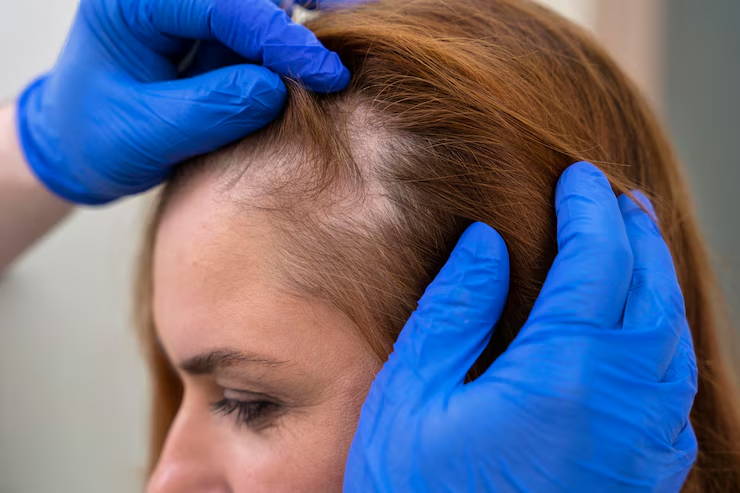
In Ayurveda, hair health is closely linked to the balance of the three doshas: Vata, Pitta, and Kapha. Each dosha represents a combination of the five elements—earth, water, fire, air, and space—and governs various physiological and psychological functions.
- Vata Dosha: Associated with the elements of air and space, Vata governs movement, dryness, and creativity. When Vata is out of balance, it can lead to dry, brittle hair and hair loss.
- Pitta Dosha: Comprising the elements of fire and water, Pitta regulates metabolism, digestion, and transformation. An imbalance in Pitta can cause excessive heat, leading to inflammatory conditions of the scalp and hair loss.
- Kapha Dosha: Combining earth and water elements, Kapha provides stability, moisture, and lubrication. An imbalance in Kapha can result in excess oil, dandruff, and hair thinning.
Ayurveda emphasizes that hair loss often results from an imbalance in these doshas, combined with factors like poor diet, stress, and environmental toxins. To restore healthy hair, Ayurveda recommends balancing the doshas and adopting lifestyle changes that support overall well-being.
Ayurvedic Remedies for Hair Loss
1. Diet and Nutrition
Ayurveda places significant emphasis on diet as a key factor in maintaining hair health. A balanced diet can help restore dosha equilibrium and provide essential nutrients for hair growth.
- Pitta-Balancing Foods: To manage Pitta imbalances, incorporate cooling and hydrating foods like cucumbers, melons, and leafy greens. Avoid spicy, acidic, and overly processed foods that can aggravate Pitta.
- Vata-Balancing Foods: To address Vata imbalances, include warm, moist, and oily foods such as avocados, nuts, and whole grains. Avoid dry and raw foods that can further increase Vata.
- Kapha-Balancing Foods: For Kapha imbalances, consume light and stimulating foods like ginger, turmeric, and legumes. Reduce intake of heavy and oily foods that can exacerbate Kapha.
2. Herbal Treatments
Herbs play a crucial role in Ayurveda, offering various remedies for hair loss by nourishing the scalp and promoting hair growth.
- Bhringraj (Eclipta alba): Often called the “king of herbs” for hair, Bhringraj is known for its ability to rejuvenate hair follicles, reduce premature graying, and prevent hair loss. It can be applied as an oil or consumed as a supplement.
- Amla (Emblica officinalis): Rich in Vitamin C and antioxidants, Amla helps strengthen hair, prevent premature graying, and improve overall scalp health. It can be used in powdered form, as a juice, or as an ingredient in hair masks.
- Ashwagandha (Withania somnifera): This adaptogenic herb helps reduce stress, a common cause of hair loss. By balancing the body’s stress response, Ashwagandha supports overall hair health.
- Neem (Azadirachta indica): Known for its antimicrobial properties, Neem helps combat scalp infections and dandruff, which can contribute to hair loss. Neem oil can be massaged into the scalp to maintain a healthy environment for hair growth.
3. Scalp Massages
Regular scalp massages are a cornerstone of Ayurvedic hair care. Massaging the scalp with warm oils can improve blood circulation, nourish hair follicles, and reduce stress.
- Brahmi Oil: This oil is known for its calming effects and can help balance the Pitta dosha, reducing inflammation and promoting hair growth.
- Coconut Oil: Rich in fatty acids and vitamins, Coconut oil nourishes the scalp, moisturizes the hair, and prevents breakage. It also has antimicrobial properties that can help maintain a healthy scalp environment.
- Sesame Oil: Often used in Ayurveda for its warming properties, Sesame oil can help balance Vata and Kapha doshas, reduce dryness, and strengthen hair.
To perform a scalp massage, warm the oil of your choice, apply it to your scalp using gentle circular motions, and leave it on for at least 30 minutes before washing it out. This practice can be done once or twice a week.
4. Hair Masks and Treatments
Ayurvedic hair masks can provide deep nourishment and address specific issues related to hair loss. Here are a few effective recipes:
- Amla and Henna Mask: Mix Amla powder with Henna powder and water to form a paste. Apply this mixture to your hair and scalp, leave it on for 1-2 hours, and then rinse. This mask strengthens hair, adds shine, and promotes healthy growth.
- Bhringraj and Coconut Oil Mask: Combine Bhringraj powder with Coconut oil to create a thick paste. Apply it to your scalp and hair, let it sit for 1-2 hours, and then wash it out. This mask helps rejuvenate hair follicles and prevent hair loss.
- Neem and Yogurt Mask: Mix Neem powder with yogurt to form a creamy paste. Apply it to your scalp and hair, leave it on for 30-45 minutes, and then rinse. This mask helps combat dandruff and maintains a healthy scalp.
5. Lifestyle Changes
Adopting a balanced lifestyle is essential for maintaining healthy hair and overall well-being. Ayurveda emphasizes the importance of daily routines, stress management, and self-care practices.
- Stress Management: Chronic stress can disrupt the balance of doshas and contribute to hair loss. Incorporate stress-reducing practices such as meditation, yoga, and deep breathing exercises into your daily routine.
- Adequate Sleep: Ensure you get enough restful sleep, as poor sleep can negatively impact hair health. Aim for 7-8 hours of quality sleep each night.
- Hydration: Drink plenty of water to stay hydrated and support overall health. Proper hydration helps maintain healthy hair and scalp.
- Exercise: Regular physical activity improves blood circulation, supports metabolic health, and helps reduce stress. Engage in activities you enjoy, such as walking, swimming, or cycling.
Conclusion
Ayurveda offers a holistic and natural approach to managing hair loss, focusing on balancing the doshas, improving diet, using herbal remedies, and adopting healthy lifestyle practices. By incorporating these Ayurvedic principles into your daily routine, you can support healthy hair growth and overall well-being.
Remember that individual responses to treatments may vary, and it’s always a good idea to consult with a qualified Ayurvedic practitioner to tailor remedies to your specific needs. Embrace the wisdom of Ayurveda and take proactive steps toward achieving and maintaining healthy, vibrant hair.


About author


Leave a reply