
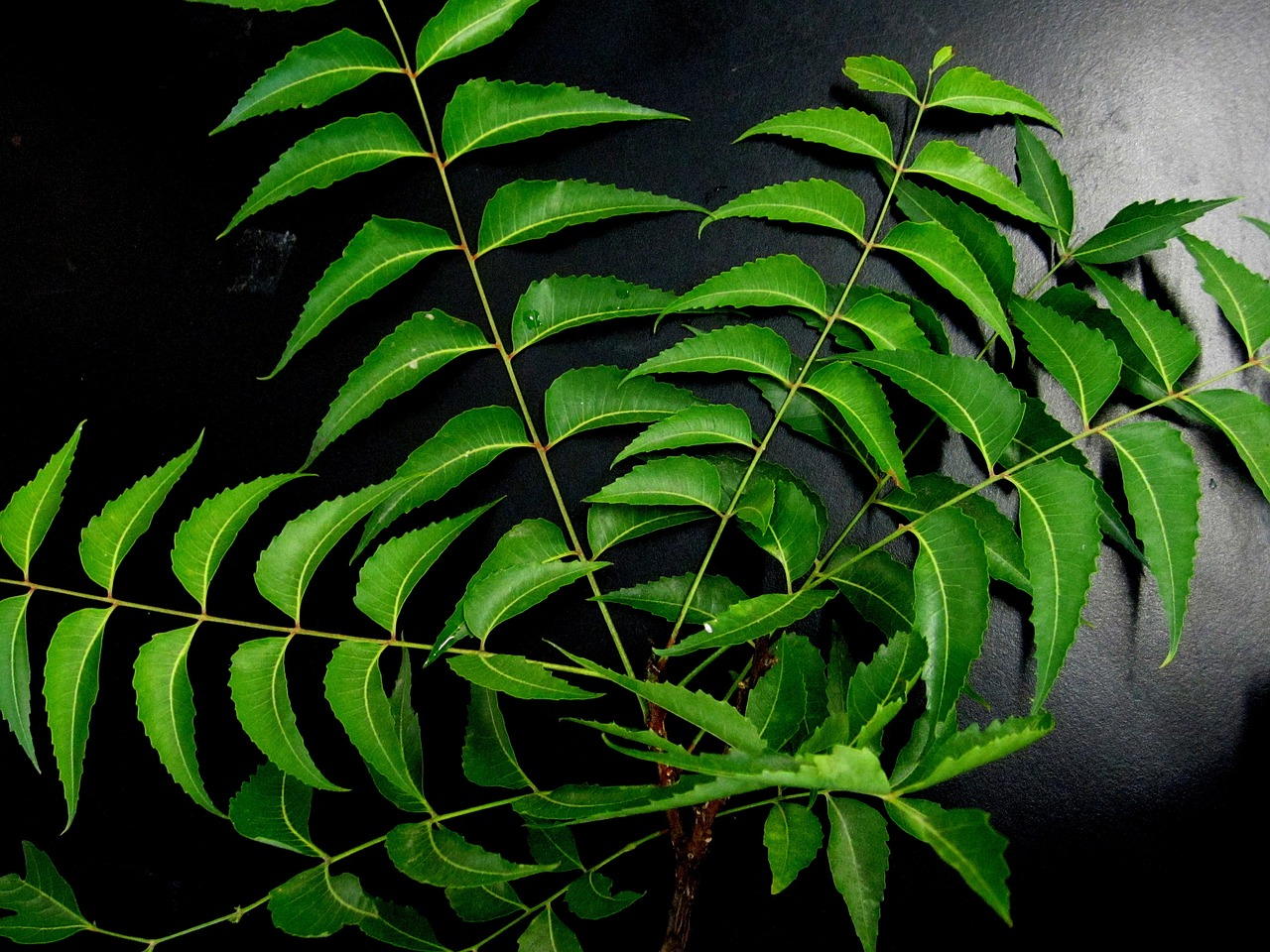
Neem: Nature’s Remedy for Diabetes
Neem: Nature’s Remedy for Diabetes
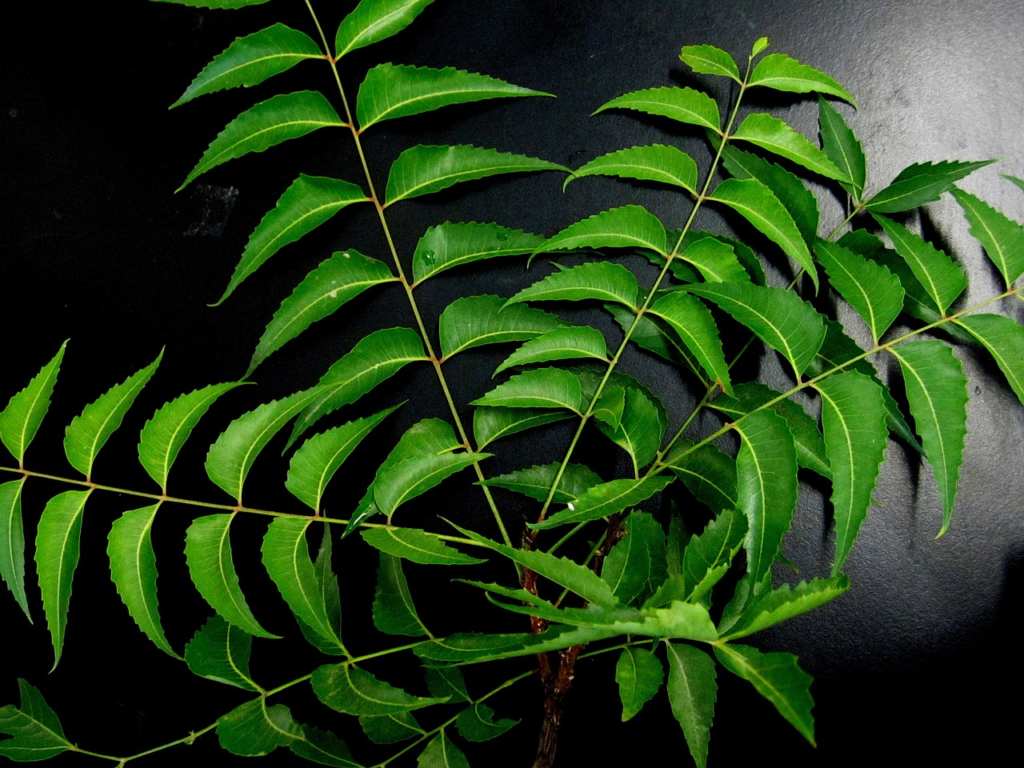
In the ever-evolving world of natural remedies and alternative medicine, neem stands out as a powerful and time-tested solution, especially when it comes to managing diabetes. This evergreen tree, often referred to as “the village pharmacy” in its native regions, has garnered significant attention for its potential benefits in regulating blood sugar levels and supporting overall metabolic health. Let’s delve into how neem can be a valuable ally in the battle against diabetes, exploring its scientific backing, traditional uses, and practical applications.
Understanding Neem
Neem (Azadirachta indica), a member of the Meliaceae family, is a versatile tree native to the Indian subcontinent. It is revered for its medicinal properties and has been used for centuries in Ayurvedic medicine. Every part of the neem tree—leaves, bark, seeds, and oil—has been utilized for various therapeutic purposes. Its reputation as a natural remedy stems from its diverse pharmacological properties, including antimicrobial, anti-inflammatory, and antidiabetic effects.
Neem and Diabetes: The Connection
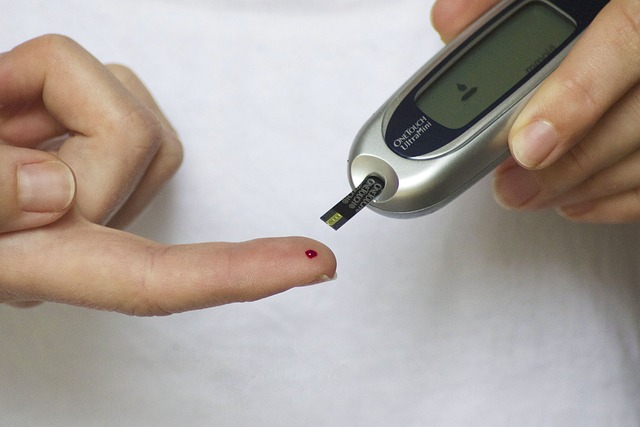
Diabetes, a chronic condition characterized by elevated blood glucose levels, is a significant global health concern. The primary types of diabetes are Type 1, Type 2, and gestational diabetes. While each type has distinct characteristics and treatment approaches, managing blood sugar levels remains a common goal across all forms.
Neem’s potential in diabetes management is attributed to its ability to influence several aspects of glucose metabolism. Research has highlighted neem’s impact on insulin sensitivity, glucose absorption, and pancreatic function, making it a promising natural adjunct to conventional diabetes therapies.
Scientific Evidence Supporting Neem’s Efficacy
1. Blood Sugar Regulation
One of the most compelling areas of research is neem’s effect on blood sugar levels. Several studies have investigated neem’s role in reducing hyperglycemia (high blood sugar), a hallmark of diabetes.
- Animal Studies: Research involving animal models has shown that neem leaf extracts can significantly lower blood glucose levels. For example, a study published in the “Journal of Ethnopharmacology” found that neem leaf extract reduced fasting blood glucose levels in diabetic rats. This effect is believed to be due to neem’s ability to enhance insulin sensitivity and promote insulin secretion.
- Human Studies: While animal studies provide a strong foundation, human clinical trials are necessary to confirm neem’s efficacy. Preliminary studies suggest that neem may improve glycemic control in people with diabetes. A clinical trial published in the “Journal of Diabetes Research” indicated that neem leaf extract, when used as a supplement, had a favorable impact on blood glucose levels in diabetic patients.
2. Insulin Sensitivity
Insulin resistance is a key feature of Type 2 diabetes, where the body’s cells become less responsive to insulin. Neem has been shown to influence insulin sensitivity positively.
- Mechanistic Insights: Neem’s active compounds, such as azadirachtin and nimbolide, have been found to enhance the uptake of glucose by cells, thereby improving insulin sensitivity. These compounds may modulate pathways involved in glucose metabolism and reduce oxidative stress, a factor contributing to insulin resistance.
3. Pancreatic Health
The pancreas plays a crucial role in diabetes by producing insulin. Neem’s impact on pancreatic health has been a subject of interest.
- Beta-Cell Protection: Some studies suggest that neem may protect pancreatic beta-cells, which are responsible for insulin production. By preventing damage to these cells, neem helps maintain proper insulin secretion and glucose regulation.
- Insulin Secretion: Research indicates that neem can stimulate insulin secretion from pancreatic beta-cells, thus aiding in better blood sugar control.
Traditional Uses of Neem for Diabetes
Neem has been a staple in traditional medicine systems like Ayurveda for centuries. Its use in diabetes management is deeply rooted in historical practices.
1. Neem Leaves
In Ayurvedic medicine, neem leaves are commonly used to manage diabetes. They are believed to possess hypoglycemic properties, helping to lower blood sugar levels. Traditionally, neem leaves are consumed in various forms:
- Fresh Leaves: Chewing fresh neem leaves on an empty stomach is a common practice. The bitter taste is believed to be indicative of its therapeutic benefits.
- Neem Tea: Another popular method is brewing neem leaves into a tea. Drinking neem tea regularly is thought to help manage blood sugar levels and improve overall health.
2. Neem Oil
Neem oil, extracted from neem seeds, is used in various topical applications. While its primary use is for skin health, neem oil is also used in traditional medicine to support metabolic health.
- Application: Neem oil is often applied topically or used in massage to enhance circulation and reduce inflammation, indirectly supporting overall health and well-being.
Incorporating Neem into Your Diabetes Management Plan
If you’re considering adding neem to your diabetes management plan, it’s essential to do so thoughtfully and under the guidance of a healthcare professional. Here’s how you can integrate neem into your routine:
1. Neem Supplements
Neem supplements, available in capsule or tablet form, are a convenient way to incorporate neem into your diet. These supplements often contain standardized extracts, ensuring consistent dosing. Consult your healthcare provider to determine the appropriate dosage for your needs.
2. Neem Tea

Preparing neem tea at home is a simple and natural way to benefit from neem’s properties. To make neem tea:
- Boil a handful of fresh neem leaves in water for 10-15 minutes.
- Strain and allow the tea to cool slightly before drinking.
- You can add a touch of honey or lemon for flavor.
3. Neem Leaf Powder
Neem leaf powder can be added to smoothies, yogurt, or other foods. It provides a convenient way to consume neem while enjoying its potential health benefits.
4. Topical Applications
If you’re interested in using neem oil, consider the following applications:
- Skin Care: Apply neem oil to areas of the skin affected by diabetes-related conditions, such as dry or itchy skin.
- Massage: Use neem oil in massages to promote circulation and reduce inflammation.
Precautions and Considerations
While neem offers promising benefits, it’s important to approach its use with caution:
- Dosage: Follow recommended dosages for supplements and consult with a healthcare provider to avoid potential side effects.
- Interactions: Neem may interact with certain medications, including antidiabetic drugs. Discuss potential interactions with your doctor.
- Allergies: Some individuals may be allergic to neem. Conduct a patch test before using neem oil topically.
Conclusion
Neem stands as a testament to the power of nature in managing health conditions such as diabetes. With its rich history in traditional medicine and growing body of scientific research, neem offers a compelling natural remedy for regulating blood sugar levels and supporting overall metabolic health. By incorporating neem into a comprehensive diabetes management plan, alongside conventional treatments and lifestyle modifications, individuals may find valuable support in their journey toward better health.
As with any natural remedy, it’s crucial to consult with healthcare professionals before making significant changes to your diabetes management plan. Embracing neem as part of a holistic approach can be a step towards harnessing the healing power of nature in your quest for better health.

About author






Leave a reply