
The Benefits of Ayurvedic Eye Care: A Comprehensive Guide
The Benefits of Ayurvedic Eye Care: A Comprehensive Guide In our fast-paced world dominated by screens and stress, eye care has become more crucial than ever. While modern medicine offers advanced treatments, Ayurveda, the ancient Indian system of medicine, presents a holistic approach to maintaining eye health. Ayurvedic eye care focuses on balancing the body’s energies, promoting overall wellness, and preventing eye disorders through natural remedies and practices rooted in centuries-old wisdom.
Understanding Ayurvedic Principles
Ayurveda, which translates to “science of life,” views health as a harmonious balance between mind, body, and spirit. According to Ayurvedic teachings, the eyes are governed by Pitta dosha (the bio-energies responsible for metabolism and digestion) and can be affected by imbalances in these energies. Thus, Ayurvedic eye care aims to restore balance and vitality to the eyes by addressing underlying imbalances in the body.
Natural Remedies for Eye Health
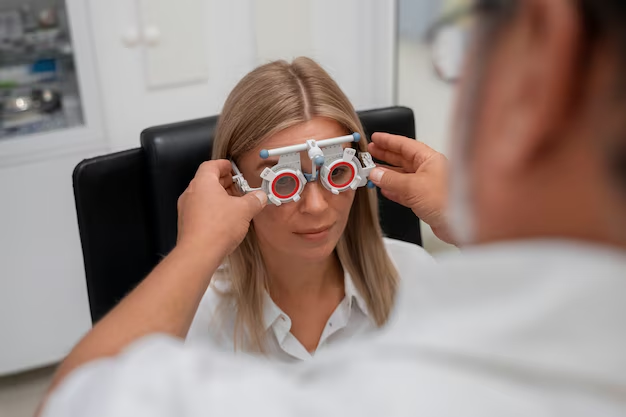
- Herbal Eye Drops: Ayurvedic practitioners often prescribe herbal eye drops containing ingredients like Triphala (a combination of three fruits), Rose water, and Licorice. These drops help to cleanse, lubricate, and nourish the eyes, reducing dryness and irritation.
- Netra Tarpana: This therapy involves creating a dough boundary around the eyes and filling it with medicated ghee (clarified butter). It helps to improve vision clarity, reduce strain, and nourish the eye tissues.
- Dietary Recommendations: Ayurveda emphasizes the importance of a balanced diet rich in eye-friendly nutrients such as vitamin A (found in carrots and leafy greens), vitamin C (in citrus fruits), and omega-3 fatty acids (in fish and flaxseeds).
Preventive Measures in Ayurvedic Eye Care
- Eye Exercises: Ayurveda advocates simple eye exercises such as palming (rubbing the palms together and placing them over closed eyes), eye rotations, and focusing on distant objects to relax and strengthen the eye muscles.
- Lifestyle Adjustments: Practicing good sleep hygiene, minimizing screen time, and protecting the eyes from excessive exposure to sunlight and pollution are essential in Ayurvedic eye care.
- Yoga and Meditation: Regular practice of yoga postures (asanas) and meditation helps to reduce stress, improve circulation, and promote overall well-being, which indirectly benefits eye health.
Managing Eye Disorders with Ayurveda
- Dry Eyes: Ayurvedic treatments for dry eyes include using herbal eye drops, adjusting diet and lifestyle factors, and practicing specific yoga poses like Surya Namaskar (Sun Salutation) to enhance blood circulation.
- Refractive Errors: Ayurvedic therapies aim to correct refractive errors naturally by strengthening eye muscles through exercises, dietary modifications, and maintaining optimal Pitta dosha balance.
- Cataracts and Glaucoma: While advanced stages may require conventional medical intervention, Ayurveda offers supportive therapies such as Panchakarma (detoxification treatments) and specific herbal formulations to manage these conditions.
Ayurveda and Modern Eye Care: Bridging the Gap
While Ayurvedic eye care offers holistic approaches and natural remedies, it is essential to integrate these practices with modern ophthalmology for comprehensive eye health management. Regular eye exams, especially as we age, are crucial for early detection and treatment of eye diseases.
Conclusion: Embracing Ayurvedic Wisdom for Healthy Eyes
In conclusion, Ayurvedic eye care provides a time-tested alternative or complementary approach to modern eye care practices. By emphasizing balance, natural remedies, and preventive measures, Ayurveda not only promotes eye health but also enhances overall well-being. Incorporating Ayurvedic principles into our daily routines—whether through herbal remedies, yoga, or dietary adjustments—can help us maintain clear vision and vibrant eye health for years to come.In our fast-paced world dominated by screens and stress, eye care has become more crucial than ever. While modern medicine offers advanced treatments, Ayurveda, the ancient Indian system of medicine, presents a holistic approach to maintaining eye health. Ayurvedic eye care focuses on balancing the body’s energies, promoting overall wellness, and preventing eye disorders through natural remedies and practices rooted in centuries-old wisdom.
Understanding Ayurvedic Principles
Ayurveda, which translates to “science of life,” views health as a harmonious balance between mind, body, and spirit. According to Ayurvedic teachings, the eyes are governed by Pitta dosha (the bio-energies responsible for metabolism and digestion) and can be affected by imbalances in these energies. Thus, Ayurvedic eye care aims to restore balance and vitality to the eyes by addressing underlying imbalances in the body.
Natural Remedies for Eye Health
- Herbal Eye Drops: Ayurvedic practitioners often prescribe herbal eye drops containing ingredients like Triphala (a combination of three fruits), Rose water, and Licorice. These drops help to cleanse, lubricate, and nourish the eyes, reducing dryness and irritation.
- Netra Tarpana: This therapy involves creating a dough boundary around the eyes and filling it with medicated ghee (clarified butter). It helps to improve vision clarity, reduce strain, and nourish the eye tissues.
- Dietary Recommendations: Ayurveda emphasizes the importance of a balanced diet rich in eye-friendly nutrients such as vitamin A (found in carrots and leafy greens), vitamin C (in citrus fruits), and omega-3 fatty acids (in fish and flaxseeds).
Preventive Measures in Ayurvedic Eye Care
- Eye Exercises: Ayurveda advocates simple eye exercises such as palming (rubbing the palms together and placing them over closed eyes), eye rotations, and focusing on distant objects to relax and strengthen the eye muscles.
- Lifestyle Adjustments: Practicing good sleep hygiene, minimizing screen time, and protecting the eyes from excessive exposure to sunlight and pollution are essential in Ayurvedic eye care.
- Yoga and Meditation: Regular practice of yoga postures (asanas) and meditation helps to reduce stress, improve circulation, and promote overall well-being, which indirectly benefits eye health.
Managing Eye Disorders with Ayurveda
- Dry Eyes: Ayurvedic treatments for dry eyes include using herbal eye drops, adjusting diet and lifestyle factors, and practicing specific yoga poses like Surya Namaskar (Sun Salutation) to enhance blood circulation.
- Refractive Errors: Ayurvedic therapies aim to correct refractive errors naturally by strengthening eye muscles through exercises, dietary modifications, and maintaining optimal Pitta dosha balance.
- Cataracts and Glaucoma: While advanced stages may require conventional medical intervention, Ayurveda offers supportive therapies such as Panchakarma (detoxification treatments) and specific herbal formulations to manage these conditions.
Ayurveda and Modern Eye Care: Bridging the Gap
While Ayurvedic eye care offers holistic approaches and natural remedies, it is essential to integrate these practices with modern ophthalmology for comprehensive eye health management. Regular eye exams, especially as we age, are crucial for early detection and treatment of eye diseases.
Conclusion: Embracing Ayurvedic Wisdom for Healthy Eyes
In conclusion, Ayurvedic eye care provides a time-tested alternative or complementary approach to modern eye care practices. By emphasizing balance, natural remedies, and preventive measures, Ayurveda not only promotes eye health but also enhances overall well-being. Incorporating Ayurvedic principles into our daily routines—whether through herbal remedies, yoga, or dietary adjustments—can help us maintain clear vision and vibrant eye health for years to come.


About author






Leave a reply