
Ayurvedic Treatment Approaches for Cervical Pain
Ayurvedic Treatment Approaches for Cervical Pain commonly referred to as neck pain is a prevalent issue affecting individuals across various age groups and lifestyles. It can arise from poor posture, muscle strain, injuries, or underlying health conditions. In Ayurveda, an ancient Indian system of medicine, cervical pain is understood through the lens of imbalances in the doshas (energetic forces) and aggravated vata (air and ether elements). Ayurvedic treatments aim not only to alleviate pain but also to address the root cause, promoting overall well-being. This blog explores various Ayurvedic approaches to managing cervical pain effectively.
Understanding Cervical Pain in Ayurveda
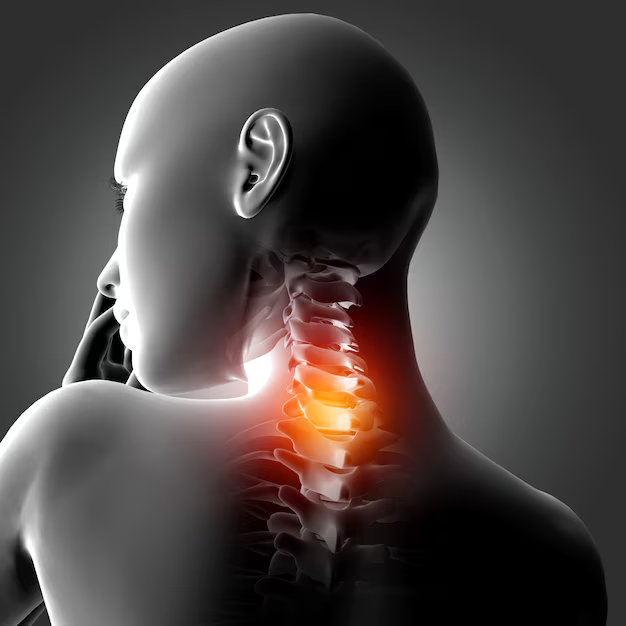
In Ayurveda, cervical pain is often categorized under diseases related to vata dosha. Vata, when aggravated, can lead to stiffness, pain, and reduced flexibility in the neck and surrounding areas. Factors such as improper diet, lack of exercise, sedentary lifestyle, and stress can exacerbate vata imbalance, thereby contributing to cervical pain.
Ayurvedic Diagnosis of Cervical Pain
Before prescribing treatments, an Ayurvedic practitioner will conduct a thorough examination to determine the underlying cause of cervical pain. This may include assessing the patient’s dosha constitution (prakriti) and identifying any dosha imbalance (vikriti). Pulse diagnosis (nadi pariksha) and tongue examination (jihva pariksha) are also commonly employed to understand the individual’s state of health.
Ayurvedic Treatment Approaches
1. Panchakarma Therapies
Panchakarma therapies are detoxification procedures aimed at balancing the doshas and removing accumulated toxins (ama) from the body. Treatments such as Abhyanga (therapeutic oil massage), Swedana (herbal steam therapy), and Basti (medicated enema) can be beneficial for relieving muscular tension and pain in the cervical region. These therapies also improve circulation and promote healing.
2. Herbal Remedies
Ayurveda utilizes a wide range of herbs known for their anti-inflammatory, analgesic, and rejuvenating properties. Commonly prescribed herbs for cervical pain include:
- Ashwagandha (Withania somnifera): Helps reduce inflammation and strengthen muscles.
- Guggulu (Commiphora wightii): Known for its anti-inflammatory effects.
- Dashmool (a combination of ten roots): Alleviates pain and stiffness.
- Turmeric (Curcuma longa): Contains curcumin, which has potent anti-inflammatory properties.
These herbs are often used in various formulations such as oils, powders, or decoctions, tailored to the individual’s condition.
3. Diet and Lifestyle Modifications
Ayurveda emphasizes the importance of diet and lifestyle in maintaining health and managing ailments. Recommendations may include:
- Warm, nourishing foods: To pacify vata dosha.
- Avoidance of cold, dry foods: Which can aggravate vata.
- Regular exercise: Especially gentle stretching and yoga to improve flexibility and strengthen neck muscles.
- Pranayama (breathing exercises): To enhance oxygenation and relaxation.
4. Yoga and Meditation
Yoga postures (asanas) such as Bhujangasana (cobra pose), Ardha Matsyendrasana (half spinal twist), and Gomukhasana (cow face pose) are beneficial for relieving cervical pain by increasing blood flow and reducing stiffness. Meditation and mindfulness practices also help reduce stress, which can exacerbate pain perception.
5. Ayurvedic External Therapies
External applications such as herbal poultices (lepa), oil massages (abhyanga), and localized fomentation (pinda sweda) with medicated oils or herbal preparations are effective in reducing pain, inflammation, and stiffness in the neck and shoulders.
Ayurvedic Approach to Preventing Cervical Pain
Prevention is key in Ayurveda to maintain optimal health. Following a daily routine (dinacharya) that includes practices to balance the doshas, maintaining good posture, staying physically active, and managing stress through meditation or other relaxation techniques can help prevent cervical pain from occurring or recurring.
Conclusion
Ayurveda offers a holistic approach to managing cervical pain by addressing the root cause through personalized treatments aimed at restoring balance to the body and mind. By incorporating Panchakarma therapies, herbal remedies, lifestyle modifications, yoga, and meditation, individuals can experience significant relief from pain and improve overall quality of life. Consulting with a qualified Ayurvedic practitioner is essential to receive personalized treatment recommendations based on individual constitution and specific health concerns.
Incorporating these Ayurvedic approaches into daily life not only helps manage cervical pain effectively but also promotes long-term health and well-being.


About author



Leave a reply