
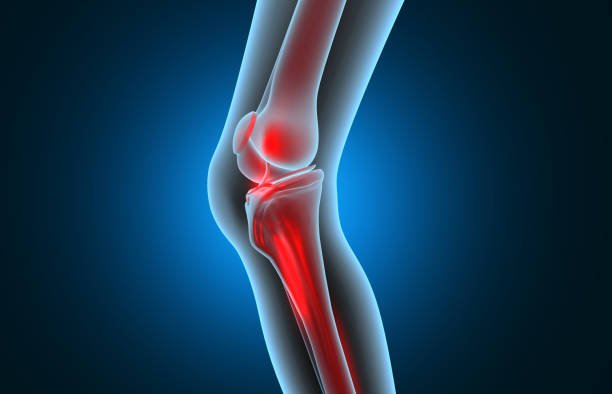
Ayurvedic Solutions for Joint Health: Managing Arthritis and Pain
Ayurvedic Solutions for Joint Health: Managing Arthritis and Pain In today’s fast-paced world, where stress, sedentary lifestyles, and poor dietary habits are prevalent, joint health issues like arthritis have become increasingly common. While conventional medicine offers effective treatments, Ayurveda, the ancient Indian system of medicine, provides holistic approaches to manage joint pain and arthritis. This blog explores Ayurvedic principles, herbs, therapies, and lifestyle practices that can promote joint health and alleviate pain.
Understanding Arthritis in Ayurveda
Ayurveda views arthritis primarily as a disorder stemming from an imbalance in the body’s doshas—Vata, Pitta, and Kapha. According to Ayurvedic philosophy, joint pain arises due to aggravated Vata dosha, leading to stiffness, inflammation, and reduced mobility. Pitta and Kapha imbalances can also contribute to joint problems, each manifesting differently in terms of symptoms and progression.
Ayurvedic Herbs for Joint Health
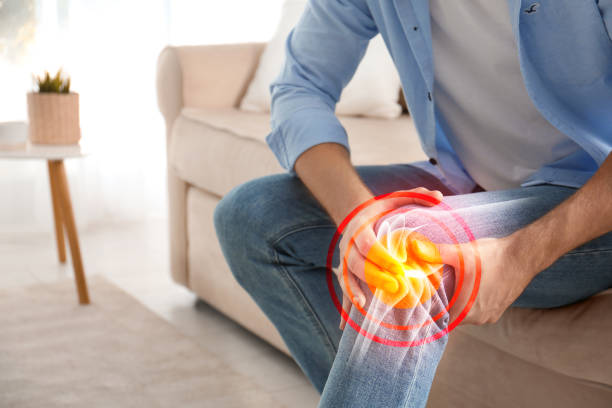
- Ashwagandha (Withania somnifera): Known for its rejuvenating properties, Ashwagandha helps reduce inflammation and pain associated with arthritis.
- Turmeric (Curcuma longa): Curcumin, the active compound in turmeric, is a potent anti-inflammatory and antioxidant agent that supports joint health.
- Guggulu (Commiphora mukul): This resin is renowned for its ability to reduce swelling and pain in joints, making it a key ingredient in many Ayurvedic formulations for arthritis.
- Ginger (Zingiber officinale): Ginger is effective in reducing pain and improving joint function due to its anti-inflammatory properties.
- Boswellia (Boswellia serrata): Also known as Indian frankincense, Boswellia helps alleviate joint pain and inflammation.
Ayurvedic Therapies for Joint Pain
- Abhyanga (Ayurvedic Massage): Regular oil massages, especially using warm sesame or coconut oil, help lubricate joints, improve circulation, and reduce stiffness.
- Swedana (Herbal Steam Therapy): This therapy involves exposing the body to herbal steam to induce sweating, detoxify, and relax muscles and joints.
- Panchakarma: A detoxification process that includes therapies like Basti (medicated enema), Virechana (purgation), and Nasya (nasal administration of oils), which help balance doshas and alleviate joint issues.
Diet and Lifestyle Tips
- Eat Warm and Nourishing Foods: Avoid cold and processed foods; favor warm, cooked meals that are easy to digest and rich in nutrients.
- Stay Hydrated: Drink warm water throughout the day to flush out toxins and maintain joint lubrication.
- Yoga and Exercise: Gentle yoga asanas, particularly those that improve flexibility and circulation, such as Surya Namaskar (Sun Salutation), are beneficial. Avoid high-impact exercises that strain the joints.
- Manage Stress: Practices like meditation, deep breathing exercises (Pranayama), and adequate sleep are crucial in managing stress, which can exacerbate joint pain.
Approaches to Prevention
Preventive measures play a crucial role in Ayurveda. Balancing the doshas through a healthy lifestyle, regular detoxification, and appropriate herbal supplements can prevent the onset of joint issues. Ayurvedic practitioners emphasize the importance of understanding one’s unique constitution (Prakriti) and adjusting lifestyle accordingly to maintain overall health and prevent imbalances.
Integrating Ayurveda with Modern Medicine
While Ayurveda offers holistic approaches to manage joint health, it’s essential to integrate these practices with conventional medical advice, especially in severe cases of arthritis. Consulting both Ayurvedic practitioners and allopathic doctors ensures comprehensive care and optimal outcomes for joint health management.
Conclusion
Ayurveda provides a rich tapestry of remedies and practices that can effectively manage arthritis and promote overall joint health. By understanding and applying Ayurvedic principles, incorporating suitable herbs, therapies, diet modifications, and lifestyle adjustments, individuals can alleviate pain, reduce inflammation, and improve mobility naturally. Embracing Ayurveda’s holistic approach not only addresses the symptoms but also enhances overall well-being, empowering individuals to lead active and fulfilling lives free from the constraints of joint pain and arthritis.


About author



Leave a reply