
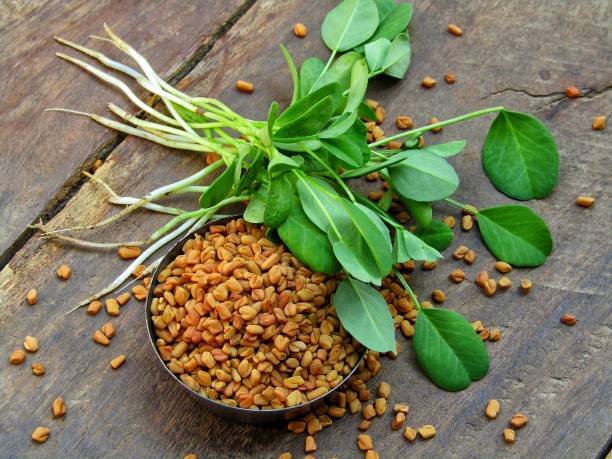
Harnessing the Power of Fenugreek Seeds for Diabetes Management
Harnessing the Power of Fenugreek Seeds for Diabetes Management Diabetes mellitus a chronic condition characterized by elevated blood glucose levels, affects millions worldwide. As the prevalence of diabetes continues to rise, individuals are increasingly turning to natural remedies alongside conventional treatments to manage their condition effectively. Among these remedies, fenugreek seeds (Trigonella foenum-graecum) have emerged as a promising option due to their historical use in traditional medicine and growing support from modern research.
Understanding Fenugreek Seeds
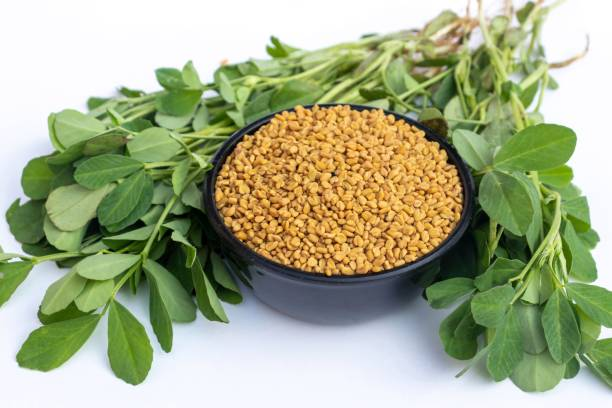
Fenugreek is a plant native to South Asia and the Mediterranean region, cultivated for both culinary and medicinal purposes. Its seeds, small and brownish-yellow in appearance, possess a distinct aroma and a slightly bitter taste. Traditionally, fenugreek seeds have been used to enhance culinary dishes, particularly in Indian, Middle Eastern, and Mediterranean cuisines.
Mechanisms of Action in Diabetes Management
- Regulation of Blood Glucose Levels:
- Hypoglycemic Effects: Fenugreek seeds contain soluble fiber and compounds such as galactomannan, which slow down carbohydrate digestion and absorption. This results in a gradual release of glucose into the bloodstream, preventing spikes in blood sugar levels after meals.
- Improved Insulin Sensitivity: Studies suggest that fenugreek may enhance insulin sensitivity, allowing cells to utilize glucose more effectively. This effect is crucial for individuals with insulin resistance, a common feature of type 2 diabetes.
- Antioxidant Properties:
- Chronic hyperglycemia in diabetes can lead to oxidative stress, contributing to the progression of complications such as cardiovascular disease and nerve damage. Fenugreek seeds are rich in antioxidants like flavonoids and polyphenols, which neutralize free radicals and reduce oxidative damage in tissues.
- Anti-inflammatory Effects:
- Inflammation plays a significant role in the development of insulin resistance and diabetes-related complications. Fenugreek seeds contain compounds like diosgenin, which exhibit anti-inflammatory properties. By reducing inflammation, fenugreek may help improve overall metabolic health in individuals with diabetes.
Clinical Evidence and Research Findings
Harnessing the Power of Fenugreek Seeds for Diabetes Management
- Blood Glucose Control: Research indicates that fenugreek supplementation can lower fasting blood glucose levels and improve glucose tolerance tests in individuals with type 2 diabetes.
- Lipid Profile Improvement: Fenugreek seeds have been shown to lower levels of total cholesterol, LDL cholesterol (“bad” cholesterol), and triglycerides while potentially raising HDL cholesterol (“good” cholesterol).
- Insulin Sensitivity: Some studies suggest that fenugreek seeds may improve insulin sensitivity and reduce insulin resistance, thereby aiding in better blood sugar control.
Practical Applications and Incorporation into Diet
Incorporating fenugreek seeds into a diabetes management plan can be straightforward and enjoyable:
- Sprinkling Seeds: Add fenugreek seeds to soups, stews, curries, and stir-fries to enhance flavor and benefit from their medicinal properties.
- Brewing Tea: Steep fenugreek seeds in hot water to create a soothing tea that can be consumed daily.
- Powdered Form: Fenugreek seed powder can be added to smoothies, yogurt, or taken in capsule form for convenience.
Precautions and Considerations
- Hypoglycemia Risk: Fenugreek seeds can lower blood sugar levels, so individuals taking diabetes medications should monitor their blood glucose levels closely when incorporating fenugreek into their diet.
- Potential Allergies: Some individuals may be allergic to fenugreek seeds, resulting in symptoms such as skin irritation or respiratory issues.
- Pregnancy and Breastfeeding: Pregnant or breastfeeding women should consult healthcare providers before using fenugreek seeds due to their potential effects on hormone levels.
Conclusion
Fenugreek seeds represent a natural approach to supporting diabetes management, backed by centuries of traditional use and growing scientific evidence. Their ability to regulate blood sugar levels, improve insulin sensitivity, and combat oxidative stress makes them a valuable addition to a holistic treatment plan. However, like any supplement or natural remedy, fenugreek seeds should complement—not replace—standard diabetes care practices. As research continues to unveil their full potential, fenugreek seeds stand poised to offer meaningful benefits in the ongoing fight against diabetes.


About author






Leave a reply