
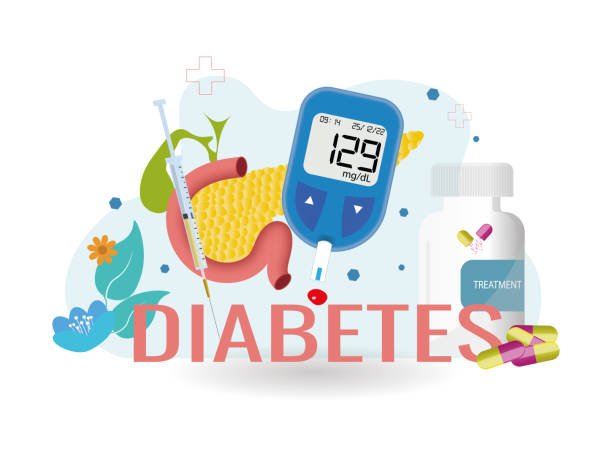
Ayurvedic Herbs That Aid in Regulating Insulin Production
Ayurvedic Herbs That Aid in Regulating Insulin Production That Aid in Regulating Insulin Production In the realm of traditional medicine, Ayurveda offers a rich repository of herbs known for their therapeutic properties. Among these, several herbs have been recognized for their potential to support insulin production and regulation, crucial for managing conditions like diabetes.

1. Gymnema (Gymnema sylvestre)
Overview: Gymnema, also known as Gurmar, is renowned for its anti-diabetic properties in Ayurvedic medicine. The Hindi name Gurmar literally translates to “destroyer of sugar,” indicating its traditional use in managing blood sugar levels.
Mechanism: Gymnema helps in multiple ways:
- Insulin secretion: It may stimulate insulin production in the pancreas, helping to lower blood sugar levels.
- Reducing sugar absorption: It blocks sugar receptors in the intestines, potentially reducing glucose absorption.
- Regeneration of beta cells: Gymnema has shown promising results in regenerating pancreatic beta cells responsible for insulin production.
Usage: Gymnema is typically consumed as a tea or in powdered form. It’s often recommended alongside conventional diabetes management under medical supervision.
2. Bitter Melon (Momordica charantia)
Overview: Bitter melon, commonly known as Karela, is a vegetable that has gained attention for its hypoglycemic effects. It is used extensively in Ayurveda and traditional Chinese medicine for its medicinal properties.
Mechanism: Key benefits include:
- Improving glucose utilization: Bitter melon contains charantin and polypeptide-p, compounds that mimic insulin and help in glucose metabolism.
- Increasing insulin sensitivity: It enhances cellular uptake of glucose, reducing dependence on insulin.
Usage: Bitter melon is consumed fresh, cooked, or as a juice.
3. Turmeric (Curcuma longa)
Overview: Turmeric, or Haldi, is a staple in Indian cuisine and traditional medicine. Its active compound, curcumin, offers potent antioxidant and anti-inflammatory properties, with emerging evidence suggesting benefits in diabetes management.
Mechanism: Turmeric aids in:
- Reducing insulin resistance: Curcumin improves insulin sensitivity, potentially lowering blood sugar levels.
- Protecting pancreatic beta cells: It may protect beta cells from oxidative stress, preserving their function.
Usage: Turmeric is consumed fresh, dried, or as a supplement. Combining it with black pepper enhances its bioavailability.
4. Cinnamon (Cinnamomum verum)
Overview: Cinnamon, or Dalchini, It has been studied for its ability to improve insulin sensitivity and lower blood sugar levels.
Mechanism: Cinnamon works by:
- Enhancing insulin action: It activates insulin receptors, facilitating glucose uptake into cells.
- Inhibiting enzymes: Cinnamon compounds inhibit enzymes that deactivate insulin receptors, thereby prolonging insulin action.
Usage: Cinnamon is used in cooking, teas, and as a supplement.
5. Indian Gooseberry (Emblica officinalis)
Overview: Indian Gooseberry, or Amla, is a powerhouse of vitamin C and antioxidants. It is revered in Ayurveda for its rejuvenating properties and its role in managing various metabolic disorders, including diabetes.
Mechanism: Amla aids in:
- Regulating blood sugar: It modulates glucose metabolism and improves insulin sensitivity.
- Protecting pancreatic function: Amla’s antioxidants protect pancreatic cells from oxidative stress.
Usage: Amla is consumed fresh, dried, or as a juice.
6. Fenugreek (Trigonella foenum-graecum)
Overview: Fenugreek seeds, or Methi, have a long history of use in Ayurvedic medicine for their diverse health benefits, including diabetes management.
Mechanism: Fenugreek helps by:
- Lowering blood glucose levels: It slows down carbohydrate absorption and stimulates insulin release.
- Improving insulin sensitivity: Fenugreek seeds contain soluble fiber and compounds that enhance insulin action.
Usage: Fenugreek seeds are often soaked overnight and consumed in the morning.
7. Holy Basil (Ocimum sanctum)
Overview: Holy Basil, or Tulsi, holds a revered place in Ayurveda for its medicinal properties. It is known for its adaptogenic effects and its ability to support metabolic health, including blood sugar regulation.
Mechanism: Tulsi aids in:
- Lowering blood sugar: It may reduce fasting and postprandial blood glucose levels.
- Improving insulin secretion: Tulsi extracts have shown potential in enhancing insulin secretion from pancreatic beta cells.
Usage: Tulsi leaves are consumed fresh, dried for teas, or as extracts and supplements. Its adaptogenic properties make it suitable for regular consumption.
Incorporating Ayurvedic Herbs Safely
Consultation with a qualified Ayurvedic practitioner or healthcare provider is recommended to personalize your approach and ensure safe and effective use of these herbs.
Ayurvedic herbs present a holistic approach to supporting insulin regulation and managing diabetes. With their diverse mechanisms of action and historical use, herbs like Gymnema, Bitter Melon, Turmeric, Cinnamon, Indian Gooseberry, Fenugreek, and Holy Basil offer natural alternatives and complements to conventional diabetes management strategies.


About author



Leave a reply