

The Healing Power of Shatavari: Exploring Ayurvedic Medicine
The Healing Power of Shatavari: Exploring Ayurvedic Medicine In the realm of traditional Ayurvedic medicine, where natural remedies have been cherished for centuries, Shatavari holds a special place. Known scientifically as Asparagus racemosus, Shatavari is revered for its multifaceted health benefits and therapeutic properties. This herbaceous plant, native to India and the Himalayas, has been extensively used to promote wellness, particularly in women’s health, but its applications extend far beyond. Let’s delve into the rich tapestry of Shatavari, exploring its history, medicinal uses, contemporary relevance, and scientific backing.
History and Traditional Uses
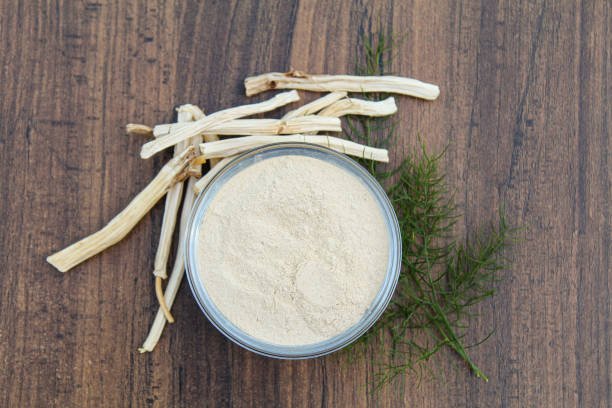
Shatavari has been an integral part of Ayurvedic medicine for over 2,000 years. Its name derives from Sanskrit, with “Shatavari” translating to “she who possesses a hundred husbands,” indicating its traditional use in promoting fertility and vitality in women. According to ancient texts like the Charaka Samhita and Sushruta Samhita, Shatavari is classified as a Rasayana—a rejuvenative herb known for enhancing longevity and overall health. This makes it suitable for various constitutional types and imbalances, making it a versatile remedy in traditional Ayurvedic practice.
Medicinal Properties
1. Adaptogenic Benefits
Shatavari is celebrated as an adaptogen—a natural substance that helps the body adapt to stress and maintain homeostasis. It supports the adrenal glands, moderates cortisol levels, and aids in managing stress-related conditions such as anxiety and fatigue.
2. Reproductive Health
Traditionally known as a tonic for the female reproductive system, Shatavari supports menstrual health, fertility, and lactation. It is often prescribed for menstrual irregularities, menopausal symptoms, and to enhance breast milk production in nursing mothers.
3. Digestive Support
Shatavari’s cooling properties make it beneficial for soothing digestive inflammation and ulcers. It supports the mucous membranes of the digestive tract, promoting healthy digestion and absorption of nutrients.
4. Anti-inflammatory Effects
Research suggests that Shatavari exhibits anti-inflammatory properties, which can benefit conditions such as arthritis, asthma, and other inflammatory disorders.
5. Immune Modulation
Studies indicate that Shatavari has immunomodulatory effects, helping to strengthen the immune system and protect against infections.
Contemporary Research and Scientific Validation
The Healing Power of Shatavari: Exploring Ayurvedic Medicine Modern scientific inquiry has increasingly validated the traditional uses of Shatavari through pharmacological studies. Researchers have identified bioactive compounds such as saponins, flavonoids, and alkaloids that contribute to its medicinal properties. Clinical trials have explored its efficacy in conditions ranging from reproductive health to stress management, providing evidence for its therapeutic potential.
Case Studies and Clinical Trials
Several clinical trials have investigated Shatavari’s effects on menstrual disorders, menopausal symptoms, fertility enhancement, and lactation support.
Practical Applications and Forms
Shatavari is available in various forms to suit different preferences and therapeutic needs:
- Powder: Often mixed with warm milk or water for internal consumption.
- Capsules/Tablets: Convenient for those preferring standardized doses.
- Liquid Extracts: Tinctures or syrups for easy ingestion.
- Topical Creams: Sometimes used for skin conditions or localized benefits.
Incorporating Shatavari into Your Wellness Routine
If you’re considering integrating Shatavari into your health regimen, it’s essential to consult with a qualified healthcare provider, especially if you’re pregnant, nursing, or have pre-existing health conditions. Ayurvedic practitioners often tailor dosage and formulations based on individual needs and imbalances, emphasizing personalized wellness approaches.
Safety and Considerations
While generally regarded as safe for most people when used appropriately, Shatavari, like any herbal remedy, may interact with certain medications or conditions. It’s crucial to inform your healthcare provider about all supplements and herbs you’re taking to prevent adverse interactions.
Conclusion
Shatavari exemplifies the synergy between ancient wisdom and modern science, offering a holistic approach to health and wellness. As interest in natural remedies grows, Shatavari’s versatility and therapeutic benefits continue to capture the attention of researchers and practitioners alike. Whether used to support reproductive health, manage stress, or enhance overall vitality, this Ayurvedic herb remains a potent ally in promoting balance and well-being.
In essence, Shatavari embodies the time-honored principles of Ayurveda—a profound reverence for nature’s gifts, a holistic view of health, and a commitment to personalized care. As we navigate the complexities of modern life, embracing the wisdom of herbs like Shatavari reminds us of the enduring power of traditional medicine in fostering resilience, vitality, and harmony within ourselves.

About author





Leave a reply