
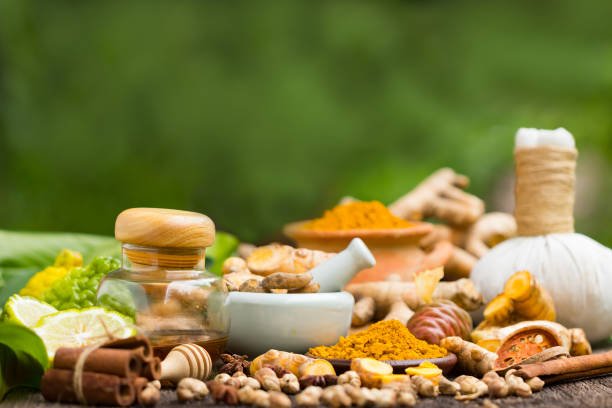
Ayurvedic Herbs: Cultivation and Importance
Ayurvedic Herbs: Cultivation and Importance the ancient Indian system of medicine, has relied on the healing properties of herbs for millennia. These herbs are not only integral to traditional medicinal practices but also increasingly sought after in modern wellness trends. Understanding their cultivation, importance, and applications provides insights into their enduring relevance and potential benefits.
Cultivation of Ayurvedic Herbs
- Traditional Practices and Wisdom Ayurvedic herbs are often cultivated using traditional methods that emphasize harmony with nature. This includes choosing the right soil, climate, and season for each herb based on its specific requirements.
- Organic and Sustainable Farming Many Ayurvedic herbs are cultivated organically to preserve their medicinal properties. Practices such as crop rotation, natural pest control, and avoiding synthetic chemicals are common.
- Geographical InfluenceHerbs like Ashwagandha thrive in dry regions, while Neem prefers tropical climates. Understanding these geographical preferences is crucial for successful cultivation.
- Propagation TechniquesPropagation methods vary; some herbs are grown from seeds, while others are propagated through cuttings or root divisions
Importance of Ayurvedic Herbs
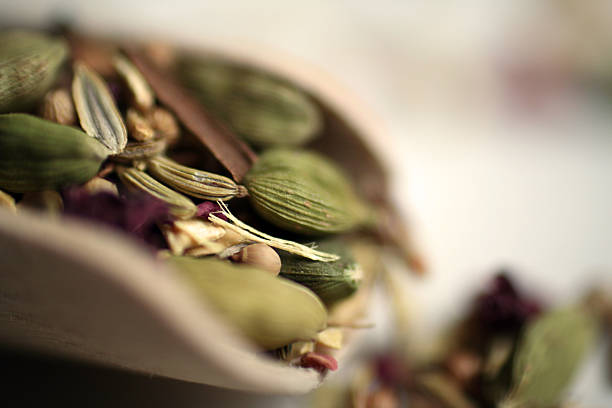
- Natural and Sustainable MedicineUnlike synthetic drugs, Ayurvedic herbs offer natural alternatives with fewer side effects, making them increasingly popular among health-conscious consumers.
- Cultural and Historical SignificanceThese herbs are deeply ingrained in Indian culture and history, with mentions in ancient texts like Charaka Samhita
- Global Recognition and AdoptionAyurvedic herbs have gained global recognition, prompting research into their medicinal properties and integration into complementary and alternative medicine practices worldwide.
Popular Ayurvedic Herbs and Their Benefits
- Ashwagandha (Withania somnifera)
- Adaptogenic properties to combat stress and anxiety.
- Boosts immunity and improves vitality.
- Enhances cognitive function and supports adrenal health.
- Turmeric (Curcuma longa)
- Potent anti-inflammatory and antioxidant properties.
- Supports joint health and aids digestion.
- Promotes radiant skin and overall well-being.
- Tulsi (Ocimum sanctum)
- Known as holy basil, it balances stress hormones.
- Supports respiratory health and enhances immunity.
- Acts as an adaptogen to improve stamina and mental clarity.
- Triphala
- Combines three fruits (Amalaki, Bibhitaki, Haritaki).
- Supports digestion and detoxification.
- Promotes healthy skin and overall rejuvenation.
Applications in Modern Medicine and Wellness
- Pharmaceutical Formulations
- Extracts and compounds from Ayurvedic herbs are used in pharmaceuticals for their therapeutic benefits.
- Examples include Ayurvedic formulations for diabetes management and cardiovascular health.
- Nutraceuticals and Dietary Supplements
- Ayurvedic herbs are popular ingredients in nutraceuticals, promoting wellness and longevity.
- Supplements like Ashwagandha capsules or Turmeric extracts cater to modern health trends.
- Beauty and Personal Care
- Ayurvedic herbs feature prominently in skincare products for their antioxidant and anti-aging properties.
- Hair care products use herbs like Amla and Shikakai for nourishment and strength.
Challenges and Future Directions
- Quality Control and Standardization
- Ensuring consistency in herb potency and purity remains a challenge.
- Efforts are underway to standardize cultivation and processing methods.
- Integration with Modern Medicine
- Bridging traditional wisdom with scientific validation is crucial for broader acceptance.
- Clinical trials and research validate efficacy and safety.
- Environmental Sustainability
- Sustainable practices in herb cultivation are vital to preserve biodiversity.
- Awareness of ethical sourcing and fair trade practices is growing.
Conclusion
Ayurvedic herbs continue to captivate both traditional healers and modern practitioners alike. Their cultivation embodies a harmony between nature and human health, offering sustainable solutions to global wellness challenges. In embracing Ayurvedic herbs, we honor ancient wisdom while embracing modern advancements, fostering a future where health and harmony thrive hand in hand.

About author






Leave a reply