
Integrating Ayurveda with Modern Diabetes Management
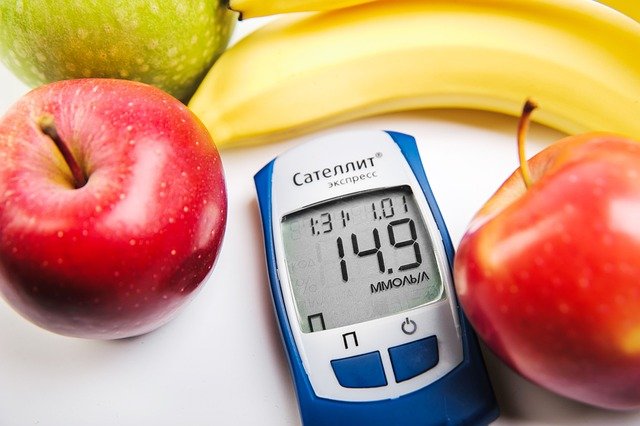
Integrating Ayurveda with Modern Diabetes Management mellitus a chronic metabolic disorder characterized by high blood sugar levels, has become a global health concern. With its prevalence on the rise, both in developed and developing countries, effective management strategies are crucial. While modern medicine offers sophisticated treatments like insulin therapy and oral medications, there is a growing interest in integrating traditional systems like Ayurveda to complement existing therapies. Ayurveda, an ancient Indian system of medicine, offers a holistic approach that focuses on lifestyle modifications, dietary changes, herbal remedies, and therapies to restore balance and harmony within the body. This blog explores the integration of Ayurveda with modern diabetes management, highlighting its potential benefits, challenges, and evidence-based practices.
Understanding Diabetes in Ayurvedic Terms
Ayurveda views diabetes through the lens of doshas (biological energies) and dhatus (tissues). According to Ayurvedic principles, diabetes is primarily a disorder of the Kapha and Meda (fat) doshas, aggravated by factors such as sedentary lifestyle, improper diet (excessive intake of sweet, oily, and heavy foods), and mental stress. These factors contribute to impaired digestion (Agni) and accumulation of toxins (Ama), leading to insulin resistance and elevated blood sugar levels.
Ayurvedic Approach to Diabetes Management
1. Diet and Nutrition

In Ayurveda, dietary modifications play a pivotal role in managing diabetes. The emphasis is on balancing the doshas through the consumption of foods that pacify Kapha and Meda doshas while promoting healthy digestion. Key dietary recommendations include:
- Avoiding heavy, oily, and sweet foods.
- Emphasizing bitter, astringent, and pungent tastes.
- Including whole grains, vegetables like bitter gourd and fenugreek, and spices such as turmeric and cinnamon.
2. Lifestyle Modifications
Ayurveda advocates for regular physical activity (Yoga, walking) to improve insulin sensitivity and digestion. Stress management techniques like meditation and Pranayama (breathing exercises) are also recommended to reduce mental stress, which can worsen diabetes.
3. Herbal Remedies
Several herbs and herbal formulations are used in Ayurveda to manage diabetes, such as:
- Gudmar (Gymnema sylvestre): Known as the “sugar destroyer,” it helps reduce sugar cravings and supports healthy blood sugar levels.
- Jamun (Syzygium cumini): Helps regulate blood sugar levels and improve insulin sensitivity.
- Bitter melon (Momordica charantia): Contains compounds that mimic insulin and help lower blood sugar levels.
4. Therapies
Ayurvedic therapies like Panchakarma (detoxification treatments) and Abhyanga (oil massage) are believed to cleanse the body of toxins (Ama) and improve overall metabolic function, which is beneficial in managing diabetes.
Integration with Modern Medicine
While Ayurveda offers promising approaches to diabetes management, its integration with modern medicine should be approached with caution and under medical supervision. Key considerations include:
- Complementary Role: Ayurveda can complement conventional treatments by enhancing lifestyle modifications and potentially reducing medication doses.
- Evidence-Based Practices: Incorporating evidence-based Ayurvedic practices into mainstream diabetes care requires rigorous scientific validation through well-designed clinical trials.
- Patient Education: Healthcare providers play a crucial role in educating patients about integrating Ayurvedic practices safely with their existing diabetes management plan.
Challenges and Considerations
1. Standardization of Practices
The variability in Ayurvedic formulations and practices poses challenges in ensuring consistency and quality across treatments.
2. Safety Concerns
Certain Ayurvedic herbs and therapies may interact with modern medications or have side effects, underscoring the importance of informed decision-making and professional guidance.
3. Cultural Sensitivity
Effective integration requires an understanding of cultural beliefs and preferences regarding healthcare practices.
Integrating Ayurveda with Modern Diabetes Management
holds promise in providing holistic and personalized care to patients. By leveraging Ayurveda’s emphasis on diet, lifestyle, and natural therapies, alongside modern medicine’s advancements in diagnostics and pharmacology, healthcare providers can offer comprehensive treatment options tailored to individual needs.


About author



Leave a reply