
Ayurvedic Diagnosis Methods
Ayurvedic Diagnosis Methods often referred to as the “science of life,” is an ancient holistic system of medicine that originated in India over 5,000 years ago. Central to Ayurvedic practice is the belief that each individual is unique, and maintaining health involves balancing the body, mind, and spirit. Diagnosis in Ayurveda is not merely about identifying symptoms but understanding the underlying causes of imbalance to tailor personalized treatment plans. This blog explores the traditional and nuanced methods of diagnosis used in Ayurvedic medicine.
Understanding the Principles of Ayurvedic Diagnosis
At the heart of Ayurvedic diagnosis is the concept of “Prakriti” (constitution) and “Vikriti” (imbalance). According to Ayurveda, every individual is born with a unique constitution determined by the predominance of three fundamental energies or doshas—Vata, Pitta, and Kapha. These doshas govern various physiological and psychological functions in the body and mind.
1. Pulse Diagnosis (Nadi Pariksha)
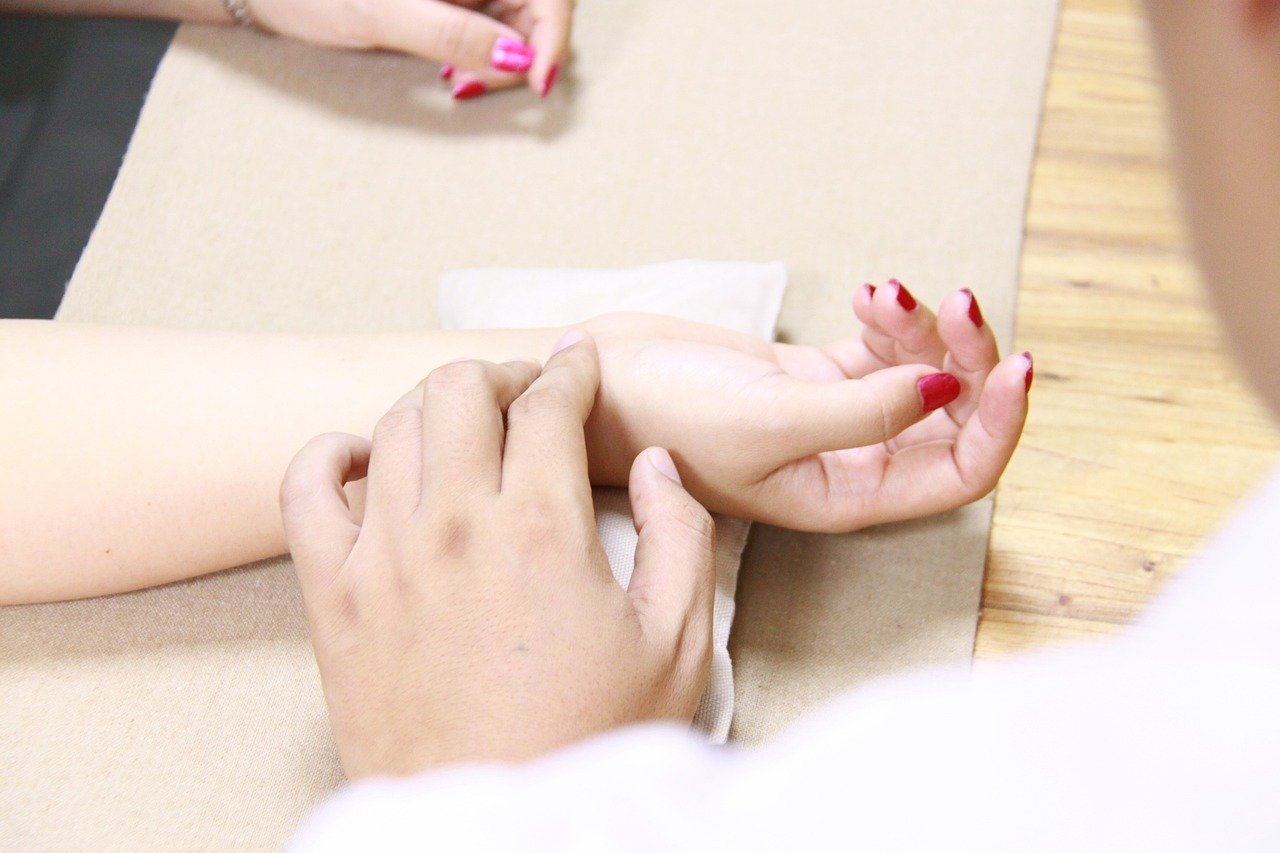
Pulse diagnosis, known as Nadi Pariksha, is one of the most sophisticated diagnostic techniques in Ayurveda. Unlike conventional pulse-taking, which primarily measures heart rate and rhythm, Nadi Pariksha involves a detailed assessment of the subtle qualities of the pulse at the radial artery. Ayurvedic practitioners trained in this art can detect imbalances in the doshas, the state of organs, and overall health.
- Method: The practitioner uses three fingers to palpate the pulse on the radial artery of the wrist. Each finger corresponds to one dosha (Vata, Pitta, Kapha). By carefully feeling the pulse’s rhythm, strength, and subtle qualities, the practitioner gathers information about the individual’s constitution, current state of doshic balance, and any underlying imbalances.
- Interpretation: The interpretation of the pulse involves comparing the qualities felt with known patterns in Ayurvedic texts and the practitioner’s clinical experience. For example, a rapid, irregular pulse with a fluttering sensation may indicate a Vata imbalance, while a strong, forceful pulse can suggest a Pitta dominance.
2. Observation (Darshana)
Observation plays a crucial role in Ayurvedic diagnosis, encompassing visual cues such as facial features, skin condition, body posture, and overall appearance. These observations provide insights into an individual’s doshic constitution, current imbalances, and potential health issues.
- Facial Features: Different doshic types exhibit distinct facial characteristics. For instance, Vata types may have thin, dry skin and delicate features, while Pitta types often display medium-built bodies with intense, focused eyes and reddish or warm-toned skin. Kapha types typically have a sturdy build, smooth skin, and calm expressions.
- Skin Condition: The texture, moisture level, and presence of any blemishes or discolorations on the skin reflect underlying doshic imbalances. Dry, rough skin may indicate Vata aggravation, while oily skin prone to inflammation suggests Pitta dominance.
- Body Posture and Movements: The way an individual walks, sits, and moves provides clues about their doshic constitution and current state of balance. Vata individuals tend to have quick, erratic movements, while Kapha types move slowly and steadily.
3. Tongue Examination (Jihva Pariksha)
Tongue examination, known as Jihva Pariksha, is another vital diagnostic method in Ayurveda. The tongue serves as a mirror reflecting the overall health of the body, including digestive function, toxin accumulation, and doshic imbalances.
- Method: The practitioner examines the color, coating, shape, size, and movements of the tongue. Different regions of the tongue correspond to different organs and doshas. For example, a white coating on the tongue may indicate Kapha imbalance, while a red or inflamed tongue suggests Pitta aggravation.
- Interpretation: The interpretation of the tongue’s appearance and characteristics provides insights into the individual’s digestive health, nutrient absorption, and doshic constitution. Changes in the tongue’s appearance over time can also indicate progress in treatment and restoration of balance.
4. Physical Examination (Sparsha Pariksha)
Physical examination in Ayurveda, known as Sparsha Pariksha, involves palpation and assessment of various parts of the body to identify structural abnormalities, tenderness, and tissue quality. This method helps assess the status of organs, joints, muscles, and the overall physical condition.
- Palpation: The practitioner uses gentle touch to palpate specific areas such as the abdomen, joints, and pulse points. By assessing the texture, temperature, tenderness, and mobility of tissues, the practitioner gathers information about doshic imbalances and localized issues.
- Assessment of Vital Signs: Ayurvedic practitioners may also measure vital signs such as blood pressure, temperature, and respiratory rate to complement other diagnostic methods. These measurements provide additional information about the individual’s physiological state and help guide treatment decisions.
5. Questioning and History Taking (Prashna)
Effective communication between the practitioner and the patient is essential in Ayurvedic diagnosis. Questioning (Prashna) involves comprehensive inquiry into the individual’s medical history, lifestyle habits, dietary preferences, sleep patterns, emotional well-being, and specific symptoms or complaints.
- Detailed Inquiry: The practitioner asks specific questions to understand the onset, duration, severity, and progression of symptoms, as well as factors that exacerbate or alleviate them. This information helps establish a comprehensive understanding of the individual’s health history and current concerns.
- Lifestyle Assessment: Ayurvedic diagnosis considers the impact of daily routines, environmental factors, occupational hazards, stress levels, and emotional influences on overall health. Lifestyle assessment helps identify potential triggers of doshic imbalance and guides personalized treatment recommendations.


About author






Leave a reply