No products in the cart.
Return To ShopUnderstanding Keloids: An Ayurvedic Perspective
Understanding Keloids: An Ayurvedic Perspective are a common skin condition characterized by raised, thickened areas of scar tissue that form at the site of an injury or incision. While they are typically harmless, keloids can be itchy, painful, or simply unsightly, leading many to seek treatment. Traditional methods often include surgical removal or steroid injections, but these approaches may not always be effective or desired. In this blog, we will explore keloids through the lens of Ayurveda, an ancient system of medicine that emphasizes holistic healing and balance.
What Are Keloids?
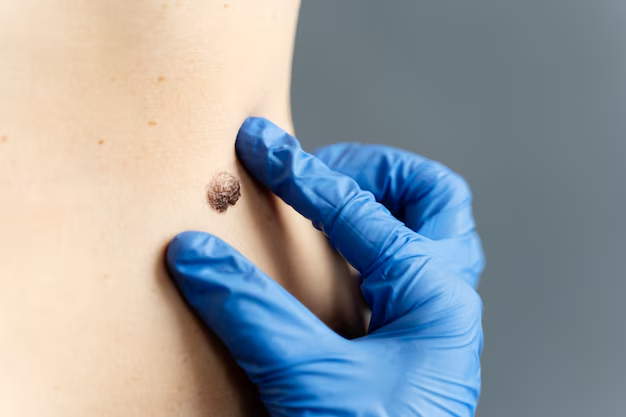
Keloids are an overgrowth of scar tissue that occurs at the site of a healed injury. They can develop after surgery, acne, piercings, or even minor cuts. Unlike regular scars, keloids extend beyond the original wound boundaries and may continue to grow over time. They can vary in size, color, and texture, often appearing shiny and firm. Understanding the causes of keloids can help in their prevention and treatment.
Causes of Keloids
Keloids form due to an overproduction of collagen during the healing process. Several factors contribute to the likelihood of keloid formation:
- Genetics: Family history plays a significant role, as some individuals are genetically predisposed to developing keloids.
- Skin Type: People with darker skin tones are more susceptible to keloids.
- Age: Keloids are more common in younger individuals, particularly those between 10 and 30 years old.
- Location: Certain areas of the body, like the chest, shoulders, and earlobes, are more prone to keloid formation.
Ayurvedic Insights on Keloids
Ayurveda views the body as a complex interplay of three doshas: Vata, Pitta, and Kapha. These doshas govern various bodily functions and imbalances among them can lead to health issues, including skin conditions like keloids.
Dosha Imbalance and Keloids
- Pitta Dosha: Keloids are often associated with an imbalance in Pitta dosha, which governs transformation and metabolism in the body. When Pitta is aggravated, it can lead to inflammation and excess heat in the body, contributing to the formation of keloids.
- Kapha Dosha: Since keloids are a form of excessive tissue growth, an imbalance in Kapha dosha may also play a role. Kapha represents stability and structure, and an excess can lead to overproduction of tissue.
Ayurvedic Treatment Approaches
Ayurveda offers a holistic approach to managing keloids, focusing on restoring balance in the doshas while promoting overall skin health. Here are some key Ayurvedic treatments and practices for keloids:
1. Dietary Adjustments
A balanced diet is crucial in Ayurvedic treatment. To manage keloids, consider incorporating the following foods:
- Cooling Foods: Include fruits and vegetables like cucumber, watermelon, and leafy greens to pacify Pitta.
- Anti-inflammatory Spices: Turmeric and ginger have natural anti-inflammatory properties and can help reduce excess heat in the body.
- Hydration: Drink plenty of water and herbal teas to maintain skin hydration and support healing.
2. Herbal Remedies
Ayurveda utilizes various herbs known for their skin benefits. Here are a few that may help in managing keloids:
- Turmeric (Curcuma longa): Known for its anti-inflammatory and antibacterial properties, turmeric can be used in paste form. Mix turmeric powder with water or coconut oil and apply it to the keloid regularly.
- Aloe Vera (Aloe barbadensis miller): This soothing plant promotes healing and may help flatten keloids. Apply fresh aloe vera gel directly to the affected area.
- Neem (Azadirachta indica): Neem possesses powerful antibacterial and anti-inflammatory properties. A neem leaf paste can be applied to keloids to help reduce irritation.
3. Topical Treatments
Ayurvedic oils can be beneficial for keloids. Look for:
- Coconut Oil: Known for its moisturizing properties, coconut oil can help soothe the skin and reduce the appearance of scars.
- Kanchanar Guggulu: This herbal formulation is often used to manage abnormal growths and can be taken in tablet form.
4. Panchakarma Therapy
Panchakarma is a detoxification and rejuvenation therapy in Ayurveda that involves various treatments to cleanse the body. Some effective procedures for managing keloids may include:
- Snehana (Oil Massage): Massaging the affected area with medicated oils can improve blood circulation and reduce inflammation.
- Swedana (Steam Therapy): Steam therapy can help open pores, allowing herbal remedies to penetrate more effectively.
5. Lifestyle Modifications
In addition to dietary and herbal remedies, certain lifestyle changes can support overall skin health:
- Stress Management: High-stress levels can aggravate Pitta dosha. Practices such as yoga, meditation, and deep breathing can help maintain emotional balance.
- Gentle Skincare: Avoid harsh chemicals and abrasive scrubs. Use gentle, natural products to maintain skin integrity.
- Avoid Sun Exposure: Protect keloids from direct sunlight, as UV rays can darken the scars. Use natural sunblocks or cover the area with clothing.
Preventive Measures
While it may not always be possible to prevent keloids, certain measures can reduce the risk:
- Proper Wound Care: Clean and protect any wounds to minimize scarring.
- Avoid Unnecessary Surgery: If possible, opt for non-invasive treatments to prevent trauma to the skin.
- Consult a Professional: If you have a history of keloids, consult with a dermatologist or an Ayurvedic practitioner before undergoing any surgical procedures.
Conclusion
Keloids can be a frustrating condition, but Ayurveda offers a holistic approach to managing and potentially reducing their appearance. By understanding the dosha imbalances and implementing dietary, herbal, and lifestyle changes, individuals can take proactive steps toward healing.
Always consult with a qualified Ayurvedic practitioner before starting any treatment regimen to ensure it aligns with your unique constitution and health needs. With patience and consistency, Ayurvedic principles can provide relief and promote healthy skin.

About author

Related posts

Atrial Fibrillation and Ayurveda: A Natural Path to Heart Health is a common heart condition that... Continue reading
Ayurvedic Treatment for Candida Infection: A Comprehensive Guide are a common and often troublesome health issue,... Continue reading
Ayurvedic Approach to Encephalitis: A Holistic Healing Path is a serious medical condition characterized by inflammation... Continue reading
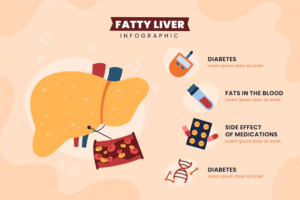
Ayurvedic Approach to Managing Fatty Liver Disease (NAFLD), particularly Non-Alcoholic Fatty Liver Disease (NAFLD), has emerged... Continue reading
Hematuria and Ayurvedic Treatment: A Comprehensive Guide to Understanding and Managing Blood in Urine the presence... Continue reading
Add comment