
No products in the cart.
Return To ShopUnderstanding Pica in Ayurveda: A Holistic Approach to Treatment
Introduction to Pica
Understanding Pica in Ayurveda: A Holistic Approach to Treatment is a condition characterized by an appetite for non-nutritive substances, such as dirt, clay, chalk, and other inedible items. This peculiar eating disorder can affect individuals across different age groups but is most commonly observed in children and pregnant women. While pica can lead to various health complications, Ayurveda offers a unique perspective on its causes and treatments, focusing on restoring balance to the body and mind.
The Ayurvedic Perspective on Pica

In Ayurveda, the body is understood through the lens of three doshas: Vata, Pitta, and Kapha. Each dosha represents different elements and qualities that govern physiological and psychological functions. Pica is often viewed as a manifestation of an imbalance in these doshas, particularly Vata and Pitta.
Causes of Pica in Ayurveda
- Vata Imbalance: Vata is associated with air and ether and governs movement and creativity. An excess of Vata can lead to restlessness and cravings for substances that provide grounding. Individuals may turn to non-food items as a way to cope with anxiety or stress.
- Pitta Imbalance: Pitta, which represents fire and water, is related to digestion and metabolism. An overactive Pitta can lead to irritability and intense cravings. This imbalance may prompt individuals to seek out non-nutritive substances that provide a temporary sense of relief or satisfaction.
- Nutritional Deficiencies: Ayurveda emphasizes the importance of a balanced diet. Deficiencies in essential nutrients, such as iron, zinc, or certain vitamins, can lead to cravings for non-food items. The body’s attempt to compensate for these deficiencies can manifest as pica.
- Psychological Factors: Emotional stress, trauma, or mental health issues can contribute to the development of pica. Ayurveda views the mind and body as interconnected; hence, psychological imbalances can significantly affect physical health.
- Environmental Influences: Cultural practices and environmental factors can also play a role in pica. In some cultures, eating certain non-food items is normalized, which can influence individual behaviors.
Symptoms of Pica
Recognizing the symptoms of pica is essential for timely intervention. Common signs include:
- Cravings for non-food substances
- Consumption of items like dirt, clay, paper, or chalk
- Digestive issues, such as constipation or gastrointestinal distress
- Nutritional deficiencies leading to fatigue or weakness
If left untreated, pica can lead to severe health complications, including intestinal blockages, poisoning from harmful substances, and infections.
Ayurvedic Diagnosis of Pica
In Ayurveda, diagnosis involves a holistic assessment of the individual. Practitioners may consider:
- Prakriti: Understanding a person’s unique constitution and how it influences their physical and mental health.
- Vikriti: Analyzing the current state of imbalance and symptoms exhibited by the individual.
- Pulse and Tongue Diagnosis: Assessing pulse quality and tongue appearance can provide insights into dosha imbalances.
- Lifestyle and Dietary Habits: Evaluating daily routines, eating patterns, and emotional well-being is crucial for a comprehensive diagnosis.
Ayurvedic Treatment Approaches for Pica
The Ayurvedic approach to treating pica involves restoring balance to the doshas, addressing nutritional deficiencies, and promoting mental well-being. Here are several strategies:
1. Dietary Modifications
A balanced diet is fundamental in treating pica. Incorporating nutrient-rich foods can help address deficiencies:
- Iron-Rich Foods: Include leafy greens, lentils, beans, and nuts to combat iron deficiency.
- Zinc Sources: Foods like pumpkin seeds, chickpeas, and whole grains can support zinc levels.
- Hydration: Adequate water intake is crucial for overall health and digestion.
2. Herbal Remedies
Ayurveda utilizes a range of herbs known for their nutritional and medicinal properties:
- Ashwagandha: This adaptogenic herb helps reduce stress and balance Vata, promoting mental clarity.
- Shatavari: Particularly beneficial for women, Shatavari supports hormonal balance and can address cravings during pregnancy.
- Triphala: A blend of three fruits, Triphala supports digestive health and detoxification, aiding in the reduction of cravings.
3. Panchakarma Therapy
Panchakarma is a detoxification process in Ayurveda that involves several stages to cleanse the body:
- Vamana (therapeutic vomiting) and Virechana (purgation) can help remove toxins and restore balance.
- Basti (enema therapy) can address Vata imbalances by nourishing and cleansing the colon.
4. Lifestyle Adjustments
Implementing positive lifestyle changes is crucial for overall well-being:
- Mindfulness Practices: Meditation, yoga, and pranayama can help manage stress and enhance mental clarity.
- Routine: Establishing a daily routine (Dinacharya) can promote stability and balance in life.
5. Psychological Support
Given the psychological aspects of pica, addressing emotional health is essential:
- Counseling: Seeking support from mental health professionals can help individuals explore underlying issues.
- Support Groups: Joining groups with others experiencing similar challenges can foster a sense of community and understanding.
Preventing Pica
Prevention is always better than cure. Here are some tips to help prevent pica:
- Balanced Diet: Ensure a diet rich in essential nutrients to avoid deficiencies.
- Awareness: Educate individuals, especially parents, about pica and its implications.
- Monitoring: Keep an eye on children’s eating habits and address unusual cravings promptly.
- Emotional Health: Foster an environment where emotional and psychological issues can be discussed openly.
Conclusion
Pica is a complex condition that requires a multifaceted approach for effective treatment. Ayurveda provides valuable insights into the underlying causes, emphasizing the importance of balance in both the body and mind. By addressing nutritional deficiencies, restoring dosha equilibrium, and promoting emotional well-being, individuals can overcome pica and lead healthier, more balanced lives. As always, it’s essential to consult with qualified healthcare practitioners to develop a personalized treatment plan tailored to individual needs.

About author

Related posts
Atrial Fibrillation and Ayurveda: A Natural Path to Heart Health is a common heart condition that... Continue reading
Ayurvedic Treatment for Candida Infection: A Comprehensive Guide are a common and often troublesome health issue,... Continue reading
Ayurvedic Approach to Encephalitis: A Holistic Healing Path is a serious medical condition characterized by inflammation... Continue reading
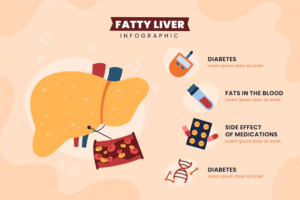
Ayurvedic Approach to Managing Fatty Liver Disease (NAFLD), particularly Non-Alcoholic Fatty Liver Disease (NAFLD), has emerged... Continue reading
Hematuria and Ayurvedic Treatment: A Comprehensive Guide to Understanding and Managing Blood in Urine the presence... Continue reading
Add comment