
No products in the cart.
Return To ShopUnderstanding Toxoplasmosis: Ayurvedic Perspectives and Remedies
Understanding Toxoplasmosis: Ayurvedic Perspectives and Remedies is an infection caused by the parasite Toxoplasma gondii, which can affect various hosts, including humans. This blog explores the condition, its symptoms, traditional treatment methods, and how Ayurveda approaches this infection.
What is Toxoplasmosis?

Toxoplasma gondii is a single-celled parasite that can be found in various environments, primarily in the feces of infected cats. Humans can become infected through several routes, including:
- Ingestion of Oocysts: Consuming contaminated food or water, particularly undercooked meat or unwashed fruits and vegetables.
- Congenital Transmission: Pregnant women can pass the infection to their unborn child.
- Organ Transplants or Blood Transfusions: Rarely, the parasite can be transmitted through these medical procedures.
Symptoms of Toxoplasmosis
While many healthy individuals may experience mild or no symptoms, the following can occur:
- Flu-like Symptoms: Fever, fatigue, muscle aches.
- Lymphadenopathy: Swelling of lymph nodes, especially in the neck and head region.
- Eye Problems: Toxoplasmosis can lead to vision issues, including retinitis.
- Severe Cases: In immunocompromised individuals, such as those with HIV/AIDS, symptoms can escalate to severe neurological issues and even death.
Diagnosis and Treatment
Diagnosis typically involves serological tests to detect antibodies against the parasite. In severe cases, imaging techniques like CT scans may be employed to check for lesions in the brain.
Conventional Treatments
Conventional treatment often involves anti-parasitic medications like pyrimethamine and sulfadiazine. However, these treatments may not be suitable for everyone due to side effects or contraindications. This brings us to the exploration of alternative approaches, particularly Ayurveda.
Ayurveda: An Overview
Ayurveda, an ancient system of medicine originating from India, emphasizes a holistic approach to health. It considers the body, mind, and spirit and seeks to restore balance through natural methods. Ayurvedic principles include:
- Tridosha Theory: The belief that health is maintained through the balance of three doshas: Vata, Pitta, and Kapha.
- Prakriti: Each individual’s unique constitution which influences their susceptibility to diseases.
- Sattva, Rajas, and Tamas: The three gunas (qualities) that govern human behavior and health.
Ayurvedic Perspective on Toxoplasmosis
From an Ayurvedic standpoint, infections like toxoplasmosis can be attributed to an imbalance in the doshas. Here’s how Ayurveda interprets the condition:
- Immuno-Modulation: The body’s immune system must be strengthened to combat the parasite effectively. Ayurveda emphasizes enhancing “Ojas,” the vital energy that supports immunity.
- Detoxification: Ayurveda advocates for detoxification methods to eliminate accumulated toxins (Ama) that may compromise health.
- Balance Restoration: The goal is to restore balance among the doshas to promote optimal health.
Ayurvedic Remedies for Toxoplasmosis
- Herbs and Supplements
- Tulsi (Holy Basil): Known for its immunomodulatory properties, Tulsi can help enhance the body’s defenses against infections.
- Ashwagandha (Withania somnifera): This adaptogenic herb boosts energy levels and supports the immune system.
- Turmeric (Curcuma longa): Contains curcumin, which has anti-inflammatory and anti-microbial properties.
- Neem (Azadirachta indica): Known for its blood-purifying properties, neem may help in combating infections.
- Dietary Modifications
- Incorporating Anti-Inflammatory Foods: Foods like ginger, garlic, and turmeric can help in reducing inflammation and bolstering immunity.
- Fruits and Vegetables: A diet rich in colorful fruits and vegetables provides antioxidants essential for fighting infections.
- Probiotics: Including fermented foods like yogurt can help maintain gut health, which is crucial for overall immunity.
- Detoxification Techniques
- Panchakarma: A series of detoxification therapies aimed at cleansing the body of toxins. This may include therapeutic vomiting, enemas, and oil massages.
- Dietary Detox: Following a light diet of kitchari (a mixture of rice and lentils) can help in detoxifying the system.
- Lifestyle Changes
- Yoga and Pranayama: Regular yoga practices and breathing exercises can enhance overall health and strengthen the immune system.
- Meditation: Reducing stress through mindfulness practices can support immunity and overall well-being.
Integrating Ayurveda with Conventional Medicine
It is essential to approach the treatment of toxoplasmosis with a balanced perspective. While Ayurvedic remedies can be beneficial, they should complement, not replace, conventional medical treatments. Collaboration between healthcare providers knowledgeable in both fields can lead to a comprehensive treatment plan tailored to the individual’s needs.
Preventive Measures
Preventing toxoplasmosis involves several practical steps:
- Food Safety: Thoroughly cooking meat and washing fruits and vegetables can reduce the risk of infection.
- Hygiene Practices: Washing hands after handling cat litter and practicing good hygiene can help prevent transmission.
- Pregnancy Precautions: Pregnant women should avoid handling cat litter and take additional precautions regarding food preparation.
Conclusion
Understanding Toxoplasmosis: Ayurvedic Perspectives and Remedies is a complex infection that requires careful management, particularly for those with compromised immune systems. While conventional medicine offers effective treatments, Ayurveda provides a holistic approach that focuses on enhancing the immune system, detoxification, and restoring balance.
By integrating Ayurvedic practices and dietary modifications with conventional treatments, individuals may find a more balanced path to recovery. Always consult healthcare professionals before starting any new treatment or remedy, particularly for serious infections like toxoplasmosis.
In the journey toward health, understanding and respecting the wisdom of both modern and traditional medicine can pave the way for a more comprehensive approach to well-being.


About author

Related posts

Atrial Fibrillation and Ayurveda: A Natural Path to Heart Health is a common heart condition that... Continue reading
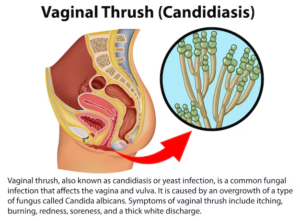
Ayurvedic Treatment for Candida Infection: A Comprehensive Guide are a common and often troublesome health issue,... Continue reading
Ayurvedic Approach to Encephalitis: A Holistic Healing Path is a serious medical condition characterized by inflammation... Continue reading

Ayurvedic Approach to Managing Fatty Liver Disease (NAFLD), particularly Non-Alcoholic Fatty Liver Disease (NAFLD), has emerged... Continue reading

Hematuria and Ayurvedic Treatment: A Comprehensive Guide to Understanding and Managing Blood in Urine the presence... Continue reading
Add comment