
No products in the cart.
Return To ShopUnderstanding Non-Alcoholic Fatty Liver Disease (NAFLD) and Ayurvedic Approaches to Treatment
Introduction to NAFLD
Understanding Non-Alcoholic Fatty Liver Disease (NAFLD) and Ayurvedic Approaches to Treatment is a growing health concern worldwide, characterized by the accumulation of excess fat in the liver of individuals who consume little to no alcohol. NAFLD can progress to more severe liver conditions, including non-alcoholic steatohepatitis (NASH), cirrhosis, and even liver cancer. As lifestyles change and dietary habits evolve, the incidence of NAFLD is on the rise, making awareness and intervention crucial.
In this blog, we will explore NAFLD in detail, its causes, symptoms, and the role of Ayurveda as a holistic approach to treatment.
Causes and Risk Factors of NAFLD

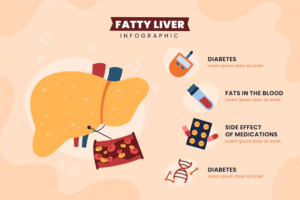
NAFLD is primarily linked to obesity, insulin resistance, diabetes, and dyslipidemia (abnormal levels of lipids in the blood). Other contributing factors include:
- Obesity: Excess body weight is the most significant risk factor for NAFLD.
- Diabetes: Insulin resistance associated with type 2 diabetes increases fat accumulation in the liver.
- High Cholesterol: Elevated levels of triglycerides and low-density lipoprotein (LDL) cholesterol can contribute to liver fat.
- Sedentary Lifestyle: Lack of physical activity exacerbates the risk.
- Poor Diet: High intake of sugars, refined carbohydrates, and unhealthy fats can lead to fat accumulation.
Symptoms of NAFLD
Many individuals with NAFLD remain asymptomatic in the early stages. However, as the disease progresses, symptoms may include:
- Fatigue
- Abdominal discomfort or pain in the upper right side
- Unexplained weight loss
- Weakness
- Jaundice (in severe cases)
Conventional Treatment Approaches
Currently, there are no specific medications approved for NAFLD. Treatment typically focuses on lifestyle changes such as:
- Weight loss
- Diet modification
- Increased physical activity
- Management of underlying conditions (e.g., diabetes, hyperlipidemia)
While these methods can be effective, many individuals seek complementary approaches, such as Ayurveda, to support liver health and overall well-being.
Ayurveda and Its Philosophy
Ayurveda is an ancient Indian system of medicine that emphasizes balance in the body, mind, and spirit. It is rooted in the belief that health is achieved through harmony with nature, and it focuses on preventive care and the holistic treatment of illnesses.
Key Concepts in Ayurveda
- Doshas: Ayurveda identifies three primary energies or doshas—Vata, Pitta, and Kapha—that govern physiological processes. An imbalance among these doshas can lead to health issues, including liver problems.
- Agni: This concept refers to digestive fire, which is crucial for metabolism and overall health. A balanced agni helps in the proper digestion of food and elimination of toxins.
- Ama: The accumulation of toxins (ama) in the body can lead to various diseases, including NAFLD. Ayurveda focuses on detoxifying the body to restore balance.
- Diet and Lifestyle: Ayurveda emphasizes a personalized approach to diet and lifestyle, considering individual constitution (Prakriti) and current imbalances (Vikriti).
Ayurvedic Treatment for NAFLD
1. Dietary Recommendations
Ayurvedic dietary practices can play a crucial role in managing NAFLD. Here are some key recommendations:
- Incorporate Whole Foods: Focus on fresh fruits, vegetables, whole grains, legumes, and healthy fats (such as ghee and olive oil) to support liver health.
- Avoid Processed Foods: Minimize intake of refined sugars, white flour, and trans fats, which can contribute to fat accumulation.
- Spices for Digestion: Use digestive spices like turmeric, ginger, and cumin, which can help improve liver function and reduce inflammation.
- Hydration: Drink plenty of water and herbal teas to support detoxification.
2. Herbal Remedies
Ayurveda utilizes a variety of herbs known for their hepatoprotective properties. Some of the most effective herbs for managing NAFLD include:
- Milk Thistle (Silybum marianum): Known for its active compound, silymarin, which supports liver health and detoxification.
- Turmeric (Curcuma longa): Contains curcumin, which has anti-inflammatory and antioxidant properties that benefit liver function.
- Bhumyamalaki (Phyllanthus niruri): Traditionally used to support liver health and improve detoxification.
- Dandelion (Taraxacum officinale): Acts as a natural diuretic and supports liver function.
3. Lifestyle Modifications
In addition to dietary changes and herbal remedies, Ayurveda emphasizes lifestyle modifications to support overall health:
- Regular Exercise: Incorporate physical activities such as yoga, walking, or any form of exercise that you enjoy. This helps manage weight and improve insulin sensitivity.
- Stress Management: Practices like meditation, deep breathing, and yoga can help reduce stress, which is essential for maintaining overall health and balance.
- Adequate Sleep: Ensure you get sufficient restful sleep, as it plays a vital role in metabolic health and recovery.
4. Panchakarma Therapy
Panchakarma is a detoxification process in Ayurveda that can be beneficial for individuals with NAFLD. This therapy involves five primary actions to cleanse the body of toxins:
- Vamana (Therapeutic Vomiting): Helps expel excess kapha dosha and toxins from the stomach.
- Virechana (Purgation): Eliminates excess pitta and toxins from the intestines.
- Basti (Enema Therapy): Cleanses the colon and balances vata dosha.
- Nasya (Nasal Therapy): Cleanses the head and neck area, promoting overall wellness.
- Raktamokshana (Blood Letting): Used in certain conditions to detoxify the blood.
Consulting a qualified Ayurvedic practitioner is crucial for determining the appropriate Panchakarma treatments based on individual needs.
Conclusion
Understanding Non-Alcoholic Fatty Liver Disease (NAFLD) and Ayurvedic Approaches to Treatment is a multifaceted condition influenced by lifestyle, diet, and metabolic health. While conventional treatment primarily focuses on lifestyle modifications, Ayurveda offers a holistic approach that addresses the root causes of the disease through diet, herbal remedies, and lifestyle changes.
By embracing Ayurvedic principles, individuals can support their liver health and overall well-being. However, it’s essential to consult healthcare professionals, both conventional and Ayurvedic, for a comprehensive treatment plan tailored to individual needs.
Incorporating these practices can lead to significant improvements in liver function, promoting a healthier and more balanced life. As awareness of NAFLD continues to grow, integrating traditional wisdom with modern understanding may offer the best path toward healing and wellness.
About author

Related posts

Atrial Fibrillation and Ayurveda: A Natural Path to Heart Health is a common heart condition that... Continue reading
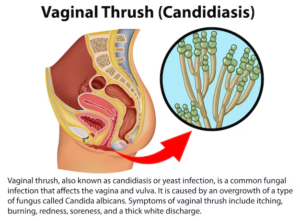
Ayurvedic Treatment for Candida Infection: A Comprehensive Guide are a common and often troublesome health issue,... Continue reading
Ayurvedic Approach to Encephalitis: A Holistic Healing Path is a serious medical condition characterized by inflammation... Continue reading
Ayurvedic Approach to Managing Fatty Liver Disease (NAFLD), particularly Non-Alcoholic Fatty Liver Disease (NAFLD), has emerged... Continue reading
Hematuria and Ayurvedic Treatment: A Comprehensive Guide to Understanding and Managing Blood in Urine the presence... Continue reading
Add comment