
No products in the cart.
Return To ShopUnderstanding Trigeminal Neuralgia: An Ayurvedic Perspective
Understanding Trigeminal Neuralgia: An Ayurvedic Perspective is a chronic pain condition characterized by sudden, severe facial pain along the distribution of the trigeminal nerve (cranial nerve V). This condition can significantly impact quality of life, making everyday activities difficult. While conventional medicine often relies on medication and surgical interventions, Ayurveda offers a holistic approach that focuses on balancing the body’s energies, promoting healing through natural remedies, and lifestyle modifications. In this blog, we will explore the nature of trigeminal neuralgia, its Ayurvedic understanding, and potential treatment options.
What is Trigeminal Neuralgia?
Trigeminal neuralgia is often described as one of the most painful conditions known. The pain typically manifests as sharp, shooting, or electric shock-like sensations that can be triggered by simple activities such as chewing, speaking, or even touching the face. This condition can be classified into two types:
- Classic Trigeminal Neuralgia (Type 1): Often caused by blood vessels pressing on the trigeminal nerve, leading to demyelination.
- Secondary Trigeminal Neuralgia (Type 2): Usually a result of multiple sclerosis, tumors, or other underlying conditions affecting the trigeminal nerve.
The Ayurvedic Perspective on Trigeminal Neuralgia
Ayurveda views health as a balance between the three doshas: Vata, Pitta, and Kapha. Trigeminal neuralgia is primarily associated with an imbalance in Vata dosha, which governs movement and communication within the body, including nerve impulses.
Dosha Imbalance and Symptoms
- Vata Imbalance: When Vata is aggravated, it can lead to increased nerve sensitivity and pain. Symptoms include dryness, spasms, and erratic nerve signals.
- Pitta and Kapha: Although less directly related, imbalances in these doshas can contribute to inflammation (Pitta) or congestion (Kapha), potentially exacerbating pain or discomfort.
Identifying the Root Cause
In Ayurveda, the approach to treating trigeminal neuralgia involves identifying the underlying causes and not just the symptoms. Possible contributing factors may include:
- Diet: Inflammatory foods can aggravate Vata, leading to increased pain.
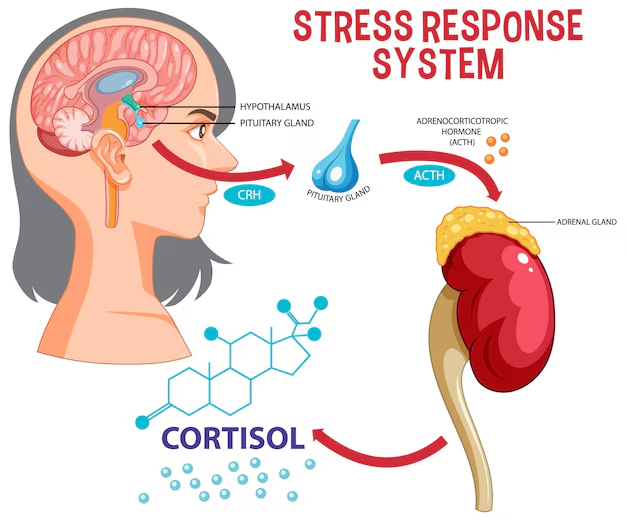
- Stress: Emotional and physical stress can disrupt dosha balance.
- Lifestyle: Irregular sleep patterns and inadequate physical activity can contribute to Vata imbalance.
- Environmental Factors: Exposure to cold winds or drafts can aggravate symptoms.
Ayurvedic Treatment Options for Trigeminal Neuralgia
1. Dietary Recommendations
Diet plays a crucial role in managing trigeminal neuralgia. Ayurvedic practitioners often recommend a Sattvic diet that promotes balance and nourishment:
- Warm Foods: Incorporate warm, cooked foods to pacify Vata. Soups, stews, and herbal teas are beneficial.
- Healthy Fats: Ghee and coconut oil can help lubricate the nervous system.
- Avoid Cold and Dry Foods: Cold, raw, and dry foods can aggravate Vata, leading to increased pain.
- Anti-inflammatory Foods: Turmeric, ginger, and garlic are excellent for reducing inflammation.
2. Herbal Remedies
Ayurveda utilizes various herbs known for their analgesic and anti-inflammatory properties:
- Ashwagandha: Known for its adaptogenic properties, it helps combat stress and supports nerve health.
- Turmeric (Curcumin): An anti-inflammatory agent that can help reduce pain and inflammation.
- Brahmi: Supports cognitive function and has a calming effect on the nervous system.
- Ginger: Helps reduce inflammation and improve circulation.
These herbs can be taken in various forms, such as powders, teas, or capsules, often combined with honey or ghee for enhanced absorption.
3. Panchakarma Therapy
Panchakarma is a detoxification process that can help restore dosha balance. Specific therapies that may be beneficial include:
- Shirodhara: A treatment involving a stream of warm oil poured over the forehead, promoting relaxation and calming Vata.
- Basti: An enema therapy that helps cleanse and rejuvenate the body, particularly beneficial for Vata-related disorders.
- Nasya: Administration of herbal oils through the nasal passage, which can help clear congestion and promote nerve health.
4. Yoga and Meditation
Incorporating yoga and meditation into daily life can significantly help in managing pain and reducing stress. Specific practices include:
- Gentle Asanas: Poses that promote relaxation and stress relief, such as Supta Baddha Konasana (Reclined Bound Angle Pose) or Balasana (Child’s Pose).
- Pranayama: Breathing exercises can help balance Vata and promote relaxation.
- Meditation: Mindfulness meditation can help manage stress and promote emotional balance.
5. Lifestyle Modifications
Making certain lifestyle changes can also aid in managing trigeminal neuralgia:
- Stress Management: Techniques such as journaling, deep breathing, or engaging in hobbies can reduce stress.
- Regular Sleep Schedule: Maintaining a consistent sleep routine can help balance Vata.
- Avoiding Cold Drafts: Protecting the face from cold winds or drafts can prevent aggravation of symptoms.
Conclusion
Understanding Trigeminal Neuralgia: An Ayurvedic Perspective can be a challenging condition to manage, but Ayurveda offers a comprehensive and holistic approach that addresses the root causes of the disorder. By focusing on diet, herbal remedies, detoxification therapies, and lifestyle modifications, individuals can find relief and restore balance in their lives.
If you are considering Ayurvedic treatment for trigeminal neuralgia, it’s essential to consult with a qualified Ayurvedic practitioner who can tailor a treatment plan specific to your needs. Embracing a holistic lifestyle not only aids in managing symptoms but also promotes overall health and well-being.
While Ayurveda offers promising solutions, it’s crucial to combine these practices with conventional medical advice, especially for severe cases. A multidisciplinary approach can provide the best outcomes for individuals suffering from trigeminal neuralgia.
Incorporating Ayurvedic principles into your life can lead to a deeper understanding of your body and a path toward healing that honors the interconnectedness of body, mind, and spirit.


About author

Related posts

Atrial Fibrillation and Ayurveda: A Natural Path to Heart Health is a common heart condition that... Continue reading
Ayurvedic Treatment for Candida Infection: A Comprehensive Guide are a common and often troublesome health issue,... Continue reading
Ayurvedic Approach to Encephalitis: A Holistic Healing Path is a serious medical condition characterized by inflammation... Continue reading

Ayurvedic Approach to Managing Fatty Liver Disease (NAFLD), particularly Non-Alcoholic Fatty Liver Disease (NAFLD), has emerged... Continue reading

Hematuria and Ayurvedic Treatment: A Comprehensive Guide to Understanding and Managing Blood in Urine the presence... Continue reading
Add comment