
No products in the cart.
Return To Shop
Ayurvedic Sugar Medicine A Comprehensive Guide
Ayurvedic Sugar Medicine A Comprehensive Guide the ancient system of medicine originating from India, emphasizes holistic healing and balance in the body, mind, and spirit. One of the critical aspects of Ayurveda is its approach to managing health conditions through natural remedies. Among these remedies, Ayurvedic sugar medicine plays a significant role, especially in managing blood sugar levels and diabetes. This blog explores the principles of Ayurvedic sugar medicine, its benefits, herbs used, and lifestyle practices that can help maintain healthy blood sugar levels.
The Ayurvedic Perspective on Sugar
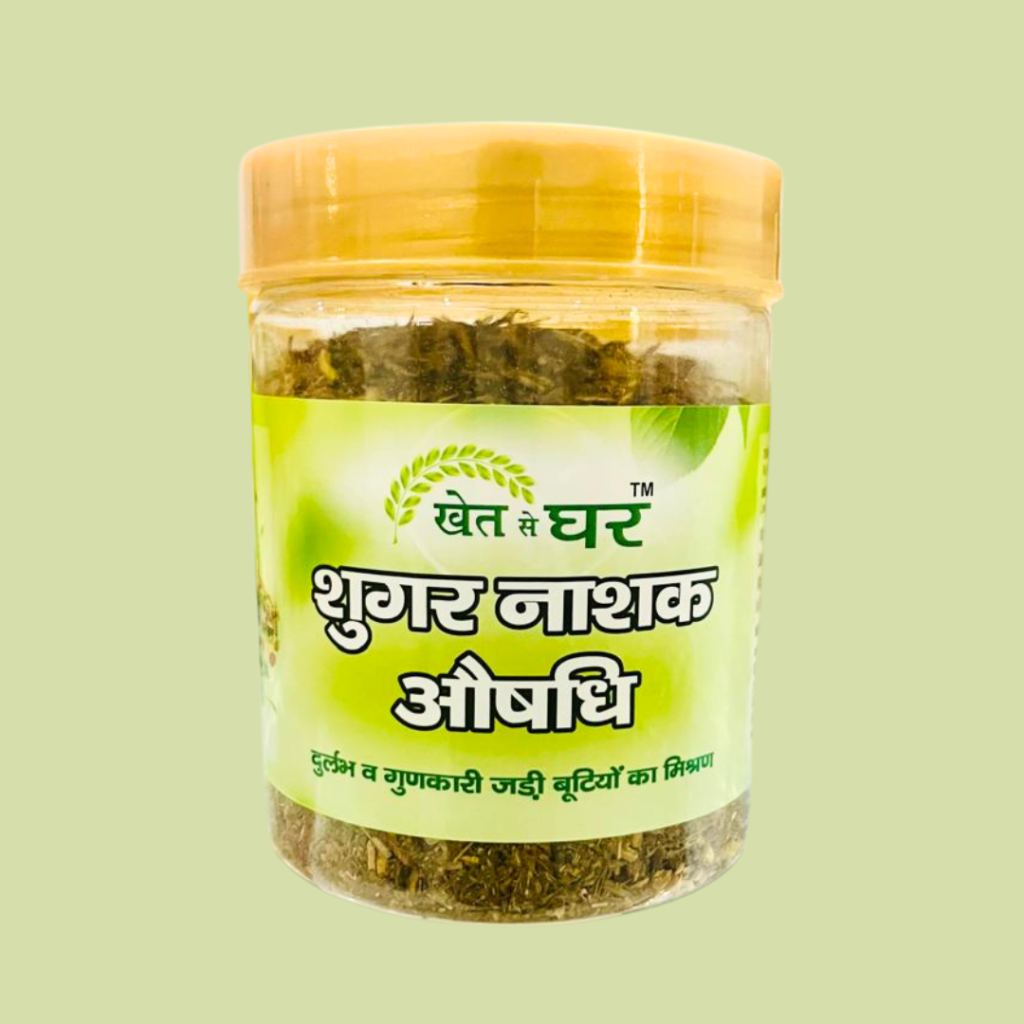
Ayurvedic Sugar Medicine A Comprehensive Guide in Ayurveda, sugar is categorized based on its qualities and effects on the body. The two primary types of sugar recognized in Ayurveda are:
- Natural Sugars: Found in fruits, honey, and certain grains, these sugars are considered more balanced and nutritious.
- Refined Sugars: Processed sugars, often found in sweets and sodas, are deemed harmful and can lead to imbalances in the body.
The Dosha System and Sugar
Ayurveda operates on the principle of three doshas: Vata, Pitta, and Kapha. Each person has a unique constitution, or prakriti, which affects how their body responds to sugar and carbohydrates.
- Vata types may experience increased cravings for sweets, leading to imbalances if not managed.
- Pitta individuals might be more sensitive to sugar, as it can exacerbate heat in the body, leading to irritability or inflammation.
- Kapha types tend to gain weight easily and may need to limit sugar intake to maintain balance.
Understanding your dosha can help tailor dietary choices, including sugar consumption, to promote better health.
The Role of Sugar in Blood Sugar Management
Maintaining balanced blood sugar levels is crucial for overall health, particularly for individuals with diabetes. Ayurvedic sugar medicine focuses on regulating these levels through dietary changes, herbal remedies, and lifestyle adjustments.
Key Ayurvedic Herbs for Blood Sugar Control
- Bitter Melon (Momordica charantia): Known as “Karela” in India, bitter melon has been shown to lower blood sugar levels. It contains compounds that mimic insulin, enhancing glucose uptake in cells.
- Fenugreek (Trigonella foenum-graecum): The seeds of fenugreek are rich in soluble fiber, which helps slow down the absorption of carbohydrates and improve insulin sensitivity.
- Turmeric (Curcuma longa): Curcumin, the active compound in turmeric, has anti-inflammatory and antioxidant properties, which can help improve insulin resistance.
- Gurmar (Gymnema sylvestre): This herb is often called “sugar destroyer” as it can reduce sugar cravings and help lower blood sugar levels.
- Cinnamon (Cinnamomum verum): Cinnamon has been found to enhance insulin sensitivity and lower blood sugar levels by mimicking insulin’s action.
Formulations and Preparations
In Ayurvedic practice, these herbs can be combined into various formulations. Some common preparations include:
- Powdered Form: Herbs can be dried and ground into a powder, which can be added to smoothies, yogurt, or warm water.
- Teas and Decoctions: Brewing these herbs into teas can make them easier to consume daily.
- Tinctures and Extracts: Concentrated extracts can provide potent doses of the beneficial compounds found in these herbs.
- Ayurvedic Churnas: Special blends of herbs, such as a combination of fenugreek, cinnamon, and turmeric, can be made into a spice mix to sprinkle on meals.
Dietary Guidelines for Managing Blood Sugar
In addition to herbal remedies, diet plays a vital role in Ayurvedic sugar medicine. Here are some guidelines to consider:
1. Emphasize Whole Foods
Focus on whole, unprocessed foods. Incorporate a variety of fresh fruits, vegetables, whole grains, legumes, nuts, and seeds. These foods provide essential nutrients and fiber, which help regulate blood sugar levels.
2. Choose Low Glycemic Index Foods
Foods with a low glycemic index (GI) cause a slower rise in blood sugar levels. Examples include:
- Whole grains like quinoa and barley
- Non-starchy vegetables
- Legumes such as lentils and chickpeas
- Nuts and seeds
3. Incorporate Healthy Fats
Healthy fats can help slow down the absorption of carbohydrates. Include sources such as:
- Avocado
- Olive oil
- Ghee (clarified butter)
- Nuts and seeds
4. Limit Processed Sugars and Carbohydrates
Reduce intake of refined sugars and highly processed carbohydrates. Instead, opt for natural sweeteners like honey or jaggery in moderation.
5. Practice Mindful Eating
Mindful eating encourages awareness of hunger and fullness cues. Eating slowly and savoring each bite can help prevent overeating and improve digestion.
Lifestyle Practices for Balanced Blood Sugar
In Ayurveda, lifestyle practices are just as important as dietary choices. Here are some recommendations:
1. Regular Physical Activity
Engaging in regular physical activity can improve insulin sensitivity and help maintain a healthy weight. Aim for at least 30 minutes of moderate exercise most days of the week, incorporating activities like walking, yoga, or strength training.
2. Stress Management
Chronic stress can lead to hormonal imbalances, affecting blood sugar levels. Techniques such as yoga, meditation, and deep-breathing exercises can help reduce stress and promote emotional well-being.
3. Adequate Sleep
Quality sleep is essential for hormonal balance. Aim for 7-9 hours of restful sleep each night to support overall health and maintain stable blood sugar levels.
4. Hydration
Staying well-hydrated is crucial for optimal bodily functions. Drink plenty of water throughout the day and consider herbal teas for added benefits.
5. Regular Health Check-Ups
Regular check-ups with healthcare professionals can help monitor blood sugar levels and detect any imbalances early on. It’s essential to work with a healthcare provider who understands both conventional and Ayurvedic approaches.
Conclusion
Ayurvedic sugar medicine offers a holistic and natural approach to managing blood sugar levels. By incorporating specific herbs, following dietary guidelines, and adopting healthy lifestyle practices, individuals can achieve better balance and well-being. Ayurvedic Sugar Medicine A Comprehensive Guide as with any health regimen, it’s essential to consult with healthcare professionals, especially when dealing with conditions like diabetes. With patience and commitment, Ayurvedic principles can lead to a healthier, more balanced life.


About author

Related posts

Atrial Fibrillation and Ayurveda: A Natural Path to Heart Health is a common heart condition that... Continue reading

Ayurvedic Treatment for Candida Infection: A Comprehensive Guide are a common and often troublesome health issue,... Continue reading

Ayurvedic Approach to Encephalitis: A Holistic Healing Path is a serious medical condition characterized by inflammation... Continue reading

Ayurvedic Approach to Managing Fatty Liver Disease (NAFLD), particularly Non-Alcoholic Fatty Liver Disease (NAFLD), has emerged... Continue reading

Hematuria and Ayurvedic Treatment: A Comprehensive Guide to Understanding and Managing Blood in Urine the presence... Continue reading
Add comment