
No products in the cart.
Return To ShopFalls and Injuries: Insights from Ayurveda Medicine
Falls and Injuries: Insights from Ayurveda Medicine are a common occurrence, especially among the elderly, and can lead to serious injuries ranging from fractures to head trauma. As we age, our balance and coordination can deteriorate, increasing the risk of falls. When they happen, the injuries can have significant repercussions on an individual’s physical and emotional well-being. While modern medicine plays a crucial role in treating injuries, Ayurveda, the ancient Indian system of medicine, offers unique insights into prevention, treatment, and rehabilitation that can complement conventional approaches.
Understanding Falls and Injuries
The Impact of Falls

Falls can lead to a variety of injuries, including:
- Fractures: The most common injuries from falls, especially in the wrist, hip, and spine.
- Head Injuries: Concussions and traumatic brain injuries can result from a fall, leading to long-term complications.
- Soft Tissue Injuries: Sprains, strains, and contusions can occur, causing pain and immobility.
- Emotional Effects: The fear of falling again can lead to decreased mobility and a decline in mental health.
The Ayurvedic Perspective
In Ayurveda, health is viewed as a balance of three doshas: Vata, Pitta, and Kapha. Each dosha represents different elements and qualities. When these doshas are out of balance, it can lead to physical and emotional issues, increasing the likelihood of falls and injuries.
- Vata Dosha: Associated with air and space, Vata governs movement and communication. An imbalance can lead to anxiety, restlessness, and physical instability.
- Pitta Dosha: Linked to fire and water, Pitta governs metabolism and transformation. An imbalance may cause inflammation and excessive heat in the body.
- Kapha Dosha: Representing earth and water, Kapha governs structure and stability. An imbalance can lead to lethargy and weakness.
By understanding these doshas, Ayurveda provides a holistic approach to preventing falls and treating injuries.
Preventing Falls with Ayurveda
1. Lifestyle Modifications
Diet: An Ayurvedic diet focuses on nourishing the body according to the individual’s dosha. For instance, individuals with a predominant Vata dosha may benefit from warm, oily, and grounding foods that promote stability. Foods rich in calcium and magnesium can strengthen bones, while anti-inflammatory foods can reduce the risk of injuries.
Exercise: Regular exercise is crucial for maintaining balance and flexibility. Practices like yoga and tai chi, which emphasize controlled movements and balance, can be beneficial. Ayurveda also encourages specific asanas (postures) that strengthen core muscles and improve stability.
2. Mindfulness and Awareness
Ayurveda emphasizes the importance of being present. Mindfulness can help individuals be more aware of their surroundings, reducing the likelihood of falls. Techniques such as meditation can enhance focus and reduce anxiety, further supporting physical stability.
3. Environmental Adjustments
Creating a safe living environment is vital. Simple changes such as removing clutter, securing rugs, and installing grab bars can significantly reduce the risk of falls. Ayurveda encourages individuals to create a harmonious living space that supports physical and emotional well-being.
Treatment of Injuries in Ayurveda
1. Herbal Remedies
Ayurveda offers a wealth of herbal remedies for treating injuries. Some commonly used herbs include:
- Turmeric (Curcuma longa): Known for its anti-inflammatory properties, turmeric can help reduce swelling and pain.
- Ginger (Zingiber officinale): This herb is beneficial for improving circulation and reducing inflammation.
- Ashwagandha (Withania somnifera): An adaptogen that can help in stress management and recovery.
2. Panchakarma
Panchakarma is a detoxification process that can help restore balance in the body. It includes five therapeutic treatments designed to cleanse the body and promote healing. This holistic approach can be particularly effective for individuals recovering from injuries, as it supports the body’s natural healing processes.
3. External Treatments
Ayurvedic treatments often include external applications to promote healing. Some effective treatments include:
- Abhyanga: A warm oil massage that nourishes the body and promotes circulation. This can be especially beneficial for injuries, as it helps reduce pain and stiffness.
- Poultices: Warm compresses made from herbal pastes can be applied to swollen or injured areas to reduce inflammation and promote healing.
4. Rehabilitative Techniques
Ayurveda emphasizes the importance of rehabilitation after an injury. Gentle exercises and stretches can help restore mobility and strength. Practicing yoga can be particularly helpful, as it encourages gradual movement and flexibility.
Emotional and Psychological Support
1. Addressing Fear and Anxiety
The fear of falling can be debilitating. Ayurveda addresses emotional well-being through holistic practices such as meditation, yoga, and breathing exercises. These practices can help individuals manage anxiety and build confidence in their physical abilities.
2. Support Systems
Building a strong support network is crucial. Family members and caregivers play an essential role in providing emotional and physical support. Ayurvedic principles encourage open communication and nurturing relationships, which can significantly enhance recovery.
Conclusion
Falls and injuries are significant concerns, especially for the elderly. While modern medicine provides effective treatments, Ayurveda offers a holistic approach that emphasizes prevention, natural remedies, and emotional support. By understanding the underlying imbalances in the body, individuals can adopt lifestyle changes that promote safety and well-being.
Integrating Ayurvedic principles into daily life can enhance physical stability, reduce the risk of falls, and support recovery from injuries. Emphasizing balance, mindfulness, and the use of natural remedies, Ayurveda provides a comprehensive framework for managing and preventing falls. Through these ancient practices, individuals can regain confidence in their physical abilities and enjoy a healthier, more active life.
By combining the wisdom of Ayurveda with modern medical approaches, we can create a more effective and holistic strategy for addressing falls and injuries, ensuring a better quality of life for all.


About author

Related posts

Atrial Fibrillation and Ayurveda: A Natural Path to Heart Health is a common heart condition that... Continue reading
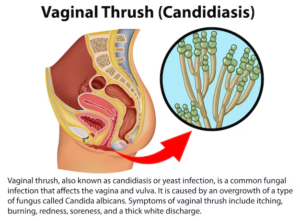
Ayurvedic Treatment for Candida Infection: A Comprehensive Guide are a common and often troublesome health issue,... Continue reading
Ayurvedic Approach to Encephalitis: A Holistic Healing Path is a serious medical condition characterized by inflammation... Continue reading
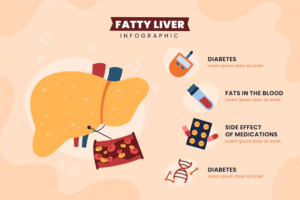
Ayurvedic Approach to Managing Fatty Liver Disease (NAFLD), particularly Non-Alcoholic Fatty Liver Disease (NAFLD), has emerged... Continue reading
Hematuria and Ayurvedic Treatment: A Comprehensive Guide to Understanding and Managing Blood in Urine the presence... Continue reading
Add comment