
No products in the cart.
Return To ShopUnderstanding Black Jaundice: An Ayurvedic Perspective
Understanding Black Jaundice: An Ayurvedic Perspective, clinically referred to as “Vishama Jaundice,” is a serious condition that has drawn considerable attention in both modern medicine and traditional healing practices like Ayurveda. While the term itself may sound alarming, it primarily indicates a severe form of jaundice associated with complications, often linked to liver dysfunction. In this blog, we will delve into the Ayurvedic understanding of black jaundice, its causes, symptoms, and potential treatments, emphasizing holistic healing approaches that Ayurveda offers.
What is Black Jaundice?
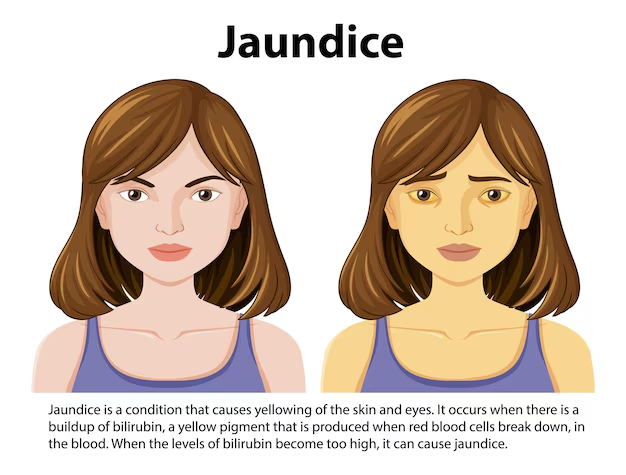
Black jaundice is characterized by an intense yellowing of the skin and eyes due to a significant buildup of bilirubin in the bloodstream. It is typically a manifestation of underlying liver issues, such as hepatitis, cirrhosis, or liver failure. The “black” aspect usually signifies advanced cases with severe complications, such as hemorrhagic tendencies or necrosis of liver tissue.
Causes of Black Jaundice
In Ayurveda, health is viewed as a balance of the three doshas: Vata, Pitta, and Kapha. Imbalance in these doshas can lead to various diseases, including liver dysfunction. Several factors can contribute to black jaundice, including:
- Dietary Factors: Consumption of excessive oily, spicy, or fermented foods can aggravate Pitta dosha, leading to liver issues.
- Infections: Viral hepatitis, often linked to lifestyle choices or environmental factors, can cause liver inflammation and dysfunction.
- Toxic Exposure: Prolonged exposure to environmental toxins, such as heavy metals or chemicals, can lead to liver damage.
- Lifestyle Choices: Alcohol consumption, smoking, and a sedentary lifestyle can significantly impact liver health.
- Emotional Stress: Chronic stress and emotional turmoil can lead to imbalances in the doshas, aggravating liver issues.
Symptoms of Black Jaundice
The symptoms of black jaundice can vary, but common indicators include:
- Severe Yellowing of Skin and Eyes: The most noticeable symptom, indicating high bilirubin levels.
- Dark Urine: Due to the excretion of excess bilirubin.
- Pale Stools: Resulting from the liver’s inability to produce bile.
- Abdominal Pain: Particularly in the upper right quadrant, where the liver is located.
- Fatigue: A general sense of weakness or malaise.
- Nausea and Vomiting: Digestive disturbances often accompany liver dysfunction.
- Weight Loss: Unintentional weight loss may occur due to a loss of appetite.
Ayurvedic Perspective on Black Jaundice
In Ayurveda, black jaundice is primarily linked to Pitta dosha imbalance. Pitta is responsible for digestion, metabolism, and transformation in the body. When it is aggravated, it can lead to excessive heat in the body, causing symptoms associated with jaundice.
Understanding the Doshas
- Pitta Dosha: Represents fire and water elements; governs digestion, metabolism, and transformation. An imbalance can lead to excess heat in the body, affecting the liver.
- Vata Dosha: Represents air and ether; governs movement and communication. While Vata itself is not directly responsible for jaundice, its imbalance can affect overall health.
- Kapha Dosha: Represents earth and water; governs structure and stability. Like Vata, it is not the primary factor in jaundice but contributes to overall health.
The Ayurvedic Approach to Healing Black Jaundice
Ayurveda emphasizes a holistic approach to health, focusing on diet, lifestyle changes, herbal remedies, and detoxification practices. Here are some key components of Ayurvedic treatment for black jaundice:
1. Dietary Adjustments
- Pitta-Pacifying Diet: Include cooling, light foods such as fresh fruits, leafy greens, and whole grains. Avoid spicy, oily, or fried foods.
- Hydration: Drink plenty of water, coconut water, and herbal teas to flush out toxins and support liver function.
- Bitter Greens: Incorporate bitter vegetables like bitter gourd (karela) and dandelion greens, which are known to support liver health.
2. Herbal Remedies
Several herbs are renowned in Ayurveda for their liver-protective properties:
- Kutki (Picrorhiza kurroa): A potent herb that aids in detoxification and supports liver function.
- Bhumi Amla (Phyllanthus niruri): Known for its hepatoprotective qualities, it helps in reducing liver inflammation.
- Turmeric (Curcuma longa): Contains curcumin, which has anti-inflammatory and antioxidant properties, promoting liver health.
- Milk Thistle (Silybum marianum): Though not traditionally Ayurvedic, it is often incorporated into herbal treatments for its liver-supporting benefits.
3. Detoxification Techniques
- Panchakarma: This traditional Ayurvedic detoxification therapy involves a series of treatments designed to cleanse the body of toxins. It can help restore balance to the doshas and improve liver function.
- Abhyanga: Ayurvedic oil massage can stimulate circulation and support detoxification.
4. Lifestyle Modifications
- Stress Management: Practices like yoga and meditation can help reduce stress and balance the doshas.
- Regular Exercise: Engaging in moderate exercise can improve circulation and support overall health.
- Adequate Rest: Ensuring sufficient sleep and relaxation is essential for recovery.
Monitoring and Support
Regular monitoring of liver function is crucial in managing black jaundice. Ayurvedic practitioners may recommend periodic check-ups to assess liver health and adjust treatment plans accordingly. Additionally, it is essential to work with a healthcare professional to ensure a comprehensive approach to treatment, especially in severe cases.
Conclusion
Black jaundice is a serious condition that requires immediate attention and care. While modern medicine plays a vital role in diagnosing and managing liver diseases, Ayurveda offers a holistic approach that emphasizes balance, nutrition, and natural remedies. By addressing the root causes of Pitta imbalance and adopting lifestyle changes, individuals can support their liver health and promote overall well-being.
Always consult with a qualified healthcare practitioner before starting any treatment, particularly for serious conditions like black jaundice. With the right approach, it is possible to restore health and vitality, paving the way for a brighter, healthier future.


About author

Related posts

Atrial Fibrillation and Ayurveda: A Natural Path to Heart Health is a common heart condition that... Continue reading
Ayurvedic Treatment for Candida Infection: A Comprehensive Guide are a common and often troublesome health issue,... Continue reading
Ayurvedic Approach to Encephalitis: A Holistic Healing Path is a serious medical condition characterized by inflammation... Continue reading
Ayurvedic Approach to Managing Fatty Liver Disease (NAFLD), particularly Non-Alcoholic Fatty Liver Disease (NAFLD), has emerged... Continue reading
Hematuria and Ayurvedic Treatment: A Comprehensive Guide to Understanding and Managing Blood in Urine the presence... Continue reading
Add comment