
No products in the cart.
Return To ShopThe Role of Prakriti and Vikriti in Ayurveda
The Role of Prakriti and Vikriti in Ayurveda, the ancient Indian system of medicine, emphasizes the importance of balance and harmony within the body and mind. Central to Ayurvedic philosophy are the concepts of Prakriti and Vikriti, which play a pivotal role in understanding individual health and well-being. This blog will delve into the meanings, implications, and applications of Prakriti and Vikriti, providing insights into how these concepts can help individuals achieve a balanced lifestyle.
Understanding Prakriti
What is Prakriti?

Prakriti refers to an individual’s innate constitution, encompassing their physical, mental, and emotional characteristics. This concept is foundational in Ayurveda, as it determines how a person interacts with their environment, processes food, and experiences health or disease. Prakriti is typically determined at birth and is influenced by various factors, including genetics and the environment in which one is raised.
The Three Doshas
Prakriti is primarily classified based on the three doshas: Vata, Pitta, and Kapha. These doshas are combinations of the five elements (earth, water, fire, air, and ether) and embody specific qualities:
- Vata (Air + Ether): Characterized by qualities such as lightness, dryness, and mobility. Individuals with a dominant Vata dosha are often creative, quick-thinking, and energetic but may also be prone to anxiety and instability.
- Pitta (Fire + Water): Associated with qualities like heat, intensity, and transformation. Pitta-dominant individuals are typically ambitious, focused, and passionate, yet they may struggle with anger and digestive issues.
- Kapha (Water + Earth): Defined by qualities of heaviness, stability, and moisture. Those with a Kapha constitution are generally calm, nurturing, and grounded but may also face challenges such as lethargy and weight gain.
Prakriti Assessment
To determine one’s Prakriti, Ayurvedic practitioners conduct a detailed assessment, considering physical traits, emotional responses, and behavioral tendencies. This assessment helps tailor lifestyle recommendations, dietary choices, and treatment plans to align with an individual’s unique constitution.
Understanding Vikriti
What is Vikriti?
In contrast to Prakriti, Vikriti represents an individual’s current state of health, influenced by various external factors such as diet, lifestyle, stress, and environmental conditions. Vikriti can be seen as the manifestation of imbalance or disease that arises when one’s lifestyle deviates from their natural constitution (Prakriti).
Factors Affecting Vikriti
Vikriti is influenced by several factors:
- Diet: Eating foods that are incompatible with one’s Prakriti can lead to imbalances. For example, a Vata person consuming excessive cold and dry foods may exacerbate their Vata imbalance, leading to issues like anxiety or digestive problems.
- Lifestyle Choices: Sleep patterns, physical activity, and stress management all contribute to one’s Vikriti. An erratic lifestyle can disrupt the natural balance of doshas, resulting in health issues.
- Environmental Factors: Seasonal changes, climate, and even the geographical location can influence Vikriti. For instance, a hot and humid climate may aggravate Pitta dosha, leading to skin issues or inflammation.
Assessing Vikriti
Vikriti assessment involves evaluating current health conditions, symptoms, and lifestyle habits. Practitioners often use questionnaires, physical examinations, and pulse diagnosis to identify imbalances in the doshas.
The Dynamic Relationship Between Prakriti and Vikriti
How Prakriti Influences Vikriti
Understanding the relationship between Prakriti and Vikriti is crucial for maintaining health. An individual’s Prakriti provides a baseline for assessing their current health status. For instance, if a Vata-dominant person begins to experience symptoms of dryness and anxiety, it can be attributed to an imbalance (Vikriti) that needs to be addressed.
Addressing Vikriti to Restore Balance
To restore balance and well-being, Ayurveda recommends a holistic approach that takes into account both Prakriti and Vikriti. Here are some strategies:
- Dietary Adjustments: Tailoring food choices to harmonize with one’s dosha can mitigate imbalances. For example, a Pitta individual may benefit from cooling foods like cucumbers and coconut, while a Kapha person may thrive on light, spicy meals to counteract heaviness.
- Lifestyle Modifications: Incorporating daily routines (Dinacharya) that align with one’s constitution can help maintain balance. This may include specific exercise regimens, sleep hygiene, and mindfulness practices.
- Herbal Remedies: Ayurveda utilizes a wide array of herbs and natural supplements tailored to individual needs. For example, Ashwagandha is often used to balance Vata, while Triphala is beneficial for overall digestive health.
- Detoxification Practices: Periodic detoxification (Panchakarma) can help clear accumulated toxins (Ama) and restore balance to the doshas, thereby addressing Vikriti.
Practical Applications of Prakriti and Vikriti in Daily Life
Self-Discovery and Awareness
Understanding your Prakriti is a journey of self-discovery. By recognizing your innate tendencies, you can make informed choices that promote health and happiness. Keeping a journal of your physical and emotional states can help you identify patterns and triggers related to your Vikriti.
Customizing Nutrition
Food is medicine in Ayurveda. Tailoring your diet based on your Prakriti can optimize your health. Consider working with an Ayurvedic practitioner to create a personalized meal plan that supports your constitution.
Stress Management
Stress is a common contributor to imbalances. By integrating practices like yoga, meditation, and pranayama (breath control), you can cultivate a state of calm that counteracts the effects of Vikriti.
Seasonal Adjustments
Aligning your lifestyle with seasonal changes can help maintain balance. For instance, during Vata season (fall and early winter), prioritize warm, nourishing foods and hydration to counteract dryness.
Conclusion
The interplay between Prakriti and Vikriti is a cornerstone of Ayurvedic philosophy. By understanding your unique constitution and recognizing how external factors influence your health, you can take proactive steps toward achieving balance and well-being. Ayurveda offers a comprehensive framework for self-care that empowers individuals to live in harmony with their true nature. Embrace this ancient wisdom, and embark on a journey toward a healthier, more balanced life.


About author

Related posts

Atrial Fibrillation and Ayurveda: A Natural Path to Heart Health is a common heart condition that... Continue reading
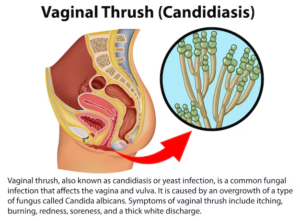
Ayurvedic Treatment for Candida Infection: A Comprehensive Guide are a common and often troublesome health issue,... Continue reading
Ayurvedic Approach to Encephalitis: A Holistic Healing Path is a serious medical condition characterized by inflammation... Continue reading

Ayurvedic Approach to Managing Fatty Liver Disease (NAFLD), particularly Non-Alcoholic Fatty Liver Disease (NAFLD), has emerged... Continue reading
Hematuria and Ayurvedic Treatment: A Comprehensive Guide to Understanding and Managing Blood in Urine the presence... Continue reading
Add comment