
No products in the cart.
Return To ShopUnderstanding E. Coli Infections An Ayurvedic Perspective
Understanding E. Coli Infections An Ayurvedic Perspective is a type of bacteria commonly found in the intestines of humans and animals. While most strains are harmless, some can cause severe illness, leading to gastrointestinal distress, urinary tract infections, and even life-threatening complications. In this blog, we will explore E. coli infections and how Ayurveda, the ancient system of medicine from India, offers holistic approaches for prevention and management.
What is E. Coli?
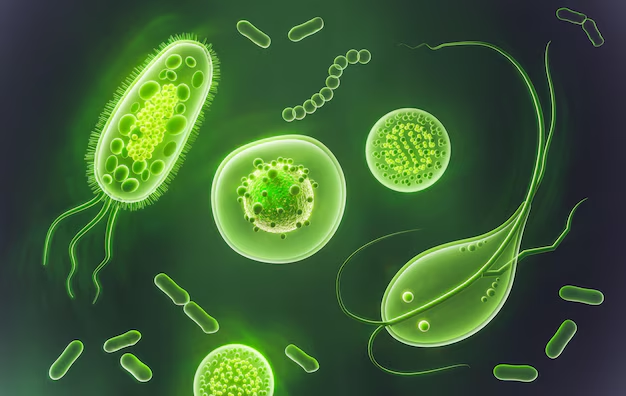
Understanding E. Coli Infections: An Ayurvedic Perspective is a versatile bacterium that serves various functions in the human gut, including aiding digestion. However, pathogenic strains, such as E. coli O157:H7, can produce toxins leading to symptoms like severe abdominal cramps, diarrhea (often bloody), vomiting, and, in some cases, hemolytic uremic syndrome (HUS). This infection often spreads through contaminated food or water, making hygiene and food safety critical.
Symptoms of E. Coli Infection
The symptoms of an E. coli infection typically appear 2 to 8 days after exposure and can include:
- Severe stomach cramps
- Diarrhea (which may be bloody)
- Nausea and vomiting
- Fatigue
- Low-grade fever
While many individuals recover without treatment, some may require medical intervention, particularly vulnerable populations such as young children, the elderly, and those with weakened immune systems.
The Ayurvedic Perspective on Health and Disease
Ayurveda is a holistic system that emphasizes balance in the body, mind, and spirit. According to Ayurveda, health is achieved through the equilibrium of three vital energies, or doshas: Vata, Pitta, and Kapha. An imbalance in these doshas can lead to disease.
When considering infections like E. coli, Ayurveda views them through the lens of digestive health (Agni) and the body’s natural defenses (Ojas). An individual’s constitution (Prakriti) and current state of imbalance (Vikriti) play a significant role in both susceptibility to infections and the approach to treatment.
Key Ayurvedic Concepts Related to E. Coli Infection
- Agni (Digestive Fire): A strong Agni is essential for proper digestion and immunity. E. coli infections often disrupt this balance, leading to symptoms like diarrhea and abdominal pain.
- Ojas (Vital Energy): Ojas represents the essence of health and immunity. A strong Ojas protects against infections, while a depleted Ojas can make one more susceptible to pathogens.
- Dosha Imbalance: Each person has a unique constitution, and understanding whether Vata, Pitta, or Kapha is imbalanced can help tailor an Ayurvedic approach to treatment.
Ayurvedic Remedies for E. Coli Infections
While it’s crucial to consult healthcare professionals for severe infections, Ayurveda offers various remedies and practices to support recovery and boost immunity. Here are some Ayurvedic approaches:
1. Dietary Recommendations
Elimination of Tamasik Foods:
Avoid foods that are heavy, oily, or processed, as these can aggravate digestive issues. Focus on easily digestible foods to support Agni.
Increase Pitta-Pacifying Foods:
In cases of E. coli infection, where Pitta dosha may become aggravated, incorporating cooling foods can help restore balance. Include:
- Rice: Easy to digest and soothing to the stomach.
- Moong Dal: Light and nourishing, promoting digestion.
- Vegetables: Such as zucchini and spinach, which are gentle on the digestive system.
Herbal Teas:
Consuming herbal teas like peppermint, ginger, or chamomile can aid digestion and alleviate discomfort.
2. Herbal Remedies
Several Ayurvedic herbs are known for their antimicrobial properties and ability to support digestive health:
Tulsi (Holy Basil):
Tulsi is revered for its antibacterial and anti-inflammatory properties. Drinking tulsi tea can help boost immunity and ease gastrointestinal symptoms.
Ginger (Zingiber officinale):
Ginger helps improve Agni and can reduce nausea. Fresh ginger tea or grated ginger with honey can be beneficial.
Turmeric (Curcuma longa):
Turmeric has powerful anti-inflammatory and antimicrobial properties. Adding turmeric to food or consuming it with warm milk can support recovery.
3. Hydration and Detoxification
Staying hydrated is crucial, especially with diarrhea. Herbal infusions or electrolyte-rich drinks can help replenish lost fluids.
Cumin Water:
Boiling cumin seeds in water can aid digestion and help in detoxification. Drinking this concoction can be soothing to the stomach.
4. Lifestyle Modifications
Rest:
Rest is vital for recovery. Allow your body the time it needs to heal and regain strength.
Mind-Body Practices:
Incorporating yoga and meditation can help reduce stress and promote overall well-being, further supporting the immune system.
5. Probiotics
Probiotics help restore the natural balance of gut flora, which may be disrupted during an E. coli infection. Incorporating fermented foods like yogurt or taking Ayurvedic probiotic formulations can support digestive health.
Prevention Strategies
Preventing E. coli infections is vital for maintaining health. Ayurveda emphasizes hygiene, mindful eating, and awareness of food sources. Here are some prevention tips:
- Practice Good Hygiene: Wash hands thoroughly before meals and after using the bathroom.
- Safe Food Handling: Ensure food is cooked properly, and avoid cross-contamination.
- Stay Informed: Be aware of food recalls and outbreaks, especially in your local area.
- Strengthen Immunity: Focus on a balanced diet, regular exercise, and stress management to maintain strong Ojas.
Conclusion
Understanding E. Coli Infections: An Ayurvedic Perspective can be severe, but Ayurvedic principles provide a holistic approach to prevention and management. By focusing on diet, herbal remedies, lifestyle changes, and maintaining digestive health, individuals can strengthen their immune systems and reduce the risk of infections.
Always remember that while Ayurveda offers valuable insights and remedies, severe cases of E. coli infection should be treated by healthcare professionals. Combining modern medicine with Ayurvedic wisdom can offer a comprehensive approach to health and well-being.
Through a commitment to balance, hygiene, and a healthy lifestyle, we can navigate the challenges of infections like E. coli and foster a resilient body and mind. Whether you’re looking to prevent infection or support recovery, the teachings of Ayurveda can guide you on your journey to better health.


About author

Related posts

Atrial Fibrillation and Ayurveda: A Natural Path to Heart Health is a common heart condition that... Continue reading
Ayurvedic Treatment for Candida Infection: A Comprehensive Guide are a common and often troublesome health issue,... Continue reading
Ayurvedic Approach to Encephalitis: A Holistic Healing Path is a serious medical condition characterized by inflammation... Continue reading
Ayurvedic Approach to Managing Fatty Liver Disease (NAFLD), particularly Non-Alcoholic Fatty Liver Disease (NAFLD), has emerged... Continue reading
Hematuria and Ayurvedic Treatment: A Comprehensive Guide to Understanding and Managing Blood in Urine the presence... Continue reading
Add comment