
No products in the cart.
Return To ShopUnderstanding Brain Abscess: An Ayurvedic Perspective
Introduction
Understanding Brain Abscess: An Ayurvedic Perspective is a localized collection of pus within the brain tissue, typically caused by infections resulting from bacteria, fungi, or parasites. This serious medical condition can lead to severe complications if not treated promptly. While conventional medicine often emphasizes surgical intervention and antibiotics, Ayurveda offers a holistic approach to treatment, focusing on the root causes and overall well-being of the individual.
What is a Brain Abscess?
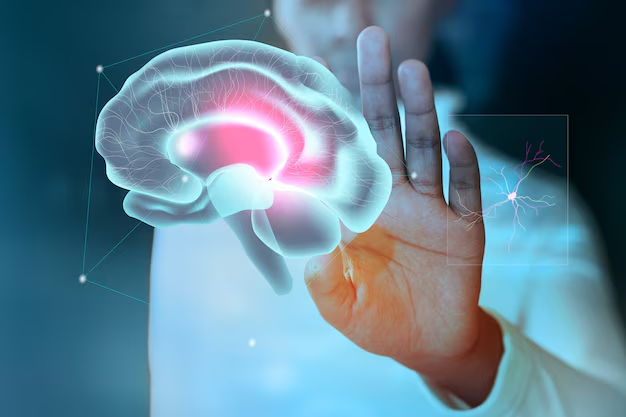
A brain abscess occurs when pathogens invade the brain, leading to inflammation and the formation of pus. Symptoms can vary widely but often include headaches, fever, neurological deficits, seizures, and altered consciousness. Diagnosis typically involves imaging techniques such as MRI or CT scans, alongside laboratory tests to identify the causative organism.
Causes and Risk Factors
Several factors can contribute to the development of a brain abscess, including:
- Infections: Common pathogens include Streptococcus, Staphylococcus, and various fungi.
- Dental infections: Poor dental hygiene can lead to infections that spread to the brain.
- Head injuries: Traumatic injuries can introduce bacteria into the brain.
- Immune system disorders: Individuals with compromised immune systems are at a higher risk.
- Chronic diseases: Conditions like diabetes can increase susceptibility.
Ayurvedic Understanding of Brain Abscess
In Ayurveda, health is viewed as a balance of the three doshas: Vata, Pitta, and Kapha. A brain abscess can be seen as an imbalance, often related to the Pitta dosha, which governs metabolic processes and transformation in the body.
Dosha Imbalance and its Implications
- Pitta: This dosha, associated with heat and metabolism, can become aggravated due to factors like stress, poor diet, and infections. An imbalance may lead to inflammation and accumulation of toxins (ama), which can manifest as an abscess.
- Vata: This dosha represents movement and can be affected by stress and anxiety, leading to complications in recovery.
- Kapha: Though not directly related, an imbalance in Kapha can affect overall health and immunity, further complicating the healing process.
Ayurvedic Treatment Approaches
1. Detoxification (Shodhana)
Detoxification is crucial in Ayurveda to eliminate toxins from the body. Techniques may include:
- Panchakarma: A set of five therapeutic treatments that help in detoxification and rejuvenation. This may involve therapies like Vamana (therapeutic vomiting), Virechana (purgation), and Basti (enema).
- Snehana: Oil massages that promote circulation and lymphatic drainage, enhancing the body’s natural detoxification processes.
2. Herbal Remedies
Ayurveda employs various herbs known for their anti-inflammatory and antimicrobial properties:
- Turmeric (Curcuma longa): Known for its active compound curcumin, turmeric has potent anti-inflammatory and antioxidant properties.
- Neem (Azadirachta indica): This herb is renowned for its antibacterial, antiviral, and antifungal properties, making it effective against infections.
- Brahmi (Bacopa monnieri): Often used to enhance cognitive function and reduce inflammation, Brahmi can help in neurological recovery.
- Ashwagandha (Withania somnifera): This adaptogenic herb helps in managing stress and boosting the immune system.
3. Dietary Recommendations
Diet plays a crucial role in recovery. An Ayurvedic diet for someone with a brain abscess should focus on:
- Light and easily digestible foods: Such as khichdi (a mixture of rice and lentils) and soups that are nourishing yet gentle on the digestive system.
- Anti-inflammatory foods: Incorporate spices like ginger, garlic, and black pepper, which can help reduce inflammation.
- Hydration: Drink plenty of warm fluids to support detoxification.
4. Lifestyle Modifications
Alongside herbal treatments and dietary changes, certain lifestyle modifications are essential:
- Stress Management: Practices like yoga and meditation can help in reducing stress and improving overall mental health.
- Adequate Rest: Rest is vital for recovery. Ensure a balanced sleep routine to support healing.
- Regular Exercise: Gentle exercise can enhance blood circulation and boost immunity.
5. Monitoring and Follow-Up
Regular monitoring of symptoms is crucial in managing a brain abscess. Ayurveda emphasizes the importance of follow-ups to assess the effectiveness of treatments and make necessary adjustments.
Integrating Ayurveda with Conventional Treatment
While Ayurvedic approaches can provide significant support, it’s essential to integrate them with conventional medical treatment, especially for serious conditions like brain abscess. Collaboration between healthcare providers can lead to comprehensive care that addresses both the immediate medical needs and long-term recovery.
Conclusion
A brain abscess is a serious health condition that requires prompt attention and a multi-faceted approach for treatment. Ayurveda offers valuable insights and remedies that can complement conventional treatments, focusing on restoring balance and promoting overall wellness. By understanding the underlying imbalances and addressing them holistically, individuals can not only manage their current condition but also enhance their overall health and resilience against future ailments. Always consult with healthcare professionals before starting any new treatment regimen to ensure safety and effectiveness.
About author

Related posts

Atrial Fibrillation and Ayurveda: A Natural Path to Heart Health is a common heart condition that... Continue reading
Ayurvedic Treatment for Candida Infection: A Comprehensive Guide are a common and often troublesome health issue,... Continue reading
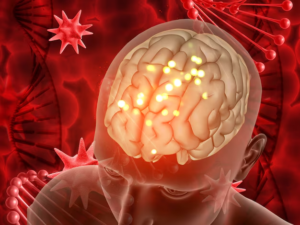
Ayurvedic Approach to Encephalitis: A Holistic Healing Path is a serious medical condition characterized by inflammation... Continue reading

Ayurvedic Approach to Managing Fatty Liver Disease (NAFLD), particularly Non-Alcoholic Fatty Liver Disease (NAFLD), has emerged... Continue reading
Hematuria and Ayurvedic Treatment: A Comprehensive Guide to Understanding and Managing Blood in Urine the presence... Continue reading
Add comment