
No products in the cart.
Return To ShopEwing’s Sarcoma and Ayurvedic Approaches: A Holistic Perspective
Ewing’s Sarcoma and Ayurvedic Approaches: A Holistic Perspective is a rare and aggressive bone cancer primarily affecting children and adolescents. Characterized by the proliferation of small round cells, it commonly occurs in the pelvis, legs, and arms. Traditional treatments involve surgery, chemotherapy, and radiation therapy, but many patients and their families seek complementary approaches to enhance well-being and manage symptoms. This is where Ayurveda, the ancient Indian system of medicine, offers valuable insights.
Understanding Ewing’s Sarcoma
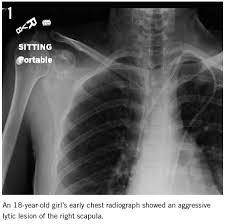
Ewing’s sarcoma typically manifests as pain, swelling, or tenderness in the affected area. Early diagnosis is crucial for effective treatment, which often includes:
- Surgery: Removal of the tumor and surrounding tissue.
- Chemotherapy: Use of powerful drugs to kill cancer cells.
- Radiation Therapy: Targeted radiation to shrink tumors or kill remaining cancer cells.
Despite aggressive treatment, the prognosis can vary. Therefore, supportive therapies play a vital role in improving quality of life and overall health during and after treatment.
Ayurveda: A Holistic Approach
Ayurveda, meaning “knowledge of life,” emphasizes balance in body, mind, and spirit. It is founded on the belief that health is maintained through a harmonious relationship between the individual and their environment. The Ayurvedic approach to health is comprehensive, considering physical, emotional, and spiritual aspects.
Key Principles of Ayurveda
- Doshas: Ayurveda identifies three primary energies (Vata, Pitta, and Kapha) that govern physiological processes. An imbalance in these doshas is believed to contribute to disease.
- Prakriti: Each individual has a unique constitution, known as prakriti, which determines their physical and psychological characteristics. Understanding one’s prakriti can help tailor dietary and lifestyle recommendations.
- Sattva, Rajas, and Tamas: These three qualities influence mental states and can impact emotional well-being. Cultivating Sattva (purity) is essential for maintaining mental clarity and peace.
- Agni: The digestive fire or metabolic processes. A strong agni is crucial for health and healing.
Ayurvedic Strategies for Supporting Ewing’s Sarcoma Patients
While Ayurveda should not replace conventional cancer treatments, it can complement them by focusing on enhancing quality of life, boosting immunity, and managing side effects.
1. Dietary Recommendations
Nourishing Foods: A well-balanced diet is fundamental in Ayurveda. Patients may benefit from:
- Whole Grains: Brown rice, quinoa, and oats provide energy and nutrients.
- Fruits and Vegetables: Incorporate seasonal, organic produce to support overall health.
- Healthy Fats: Ghee and olive oil can aid in digestion and absorption of nutrients.
Anti-inflammatory Herbs: Certain herbs have anti-cancer properties and can help manage inflammation:
- Turmeric (Curcuma longa): Contains curcumin, known for its anti-inflammatory and antioxidant effects.
- Ashwagandha (Withania somnifera): Known for its adaptogenic properties, helping to reduce stress and boost immunity.
- Tulsi (Ocimum sanctum): Revered for its healing properties, it can aid in detoxification and support respiratory health.
Avoid Processed Foods: Minimize the intake of refined sugars, artificial additives, and overly processed foods, as they can exacerbate inflammation and weaken the immune system.
2. Herbal Remedies
Ayurveda offers a plethora of herbs that can support the body during cancer treatment:
- Neem (Azadirachta indica): Known for its blood-purifying properties and ability to enhance immune function.
- Amla (Phyllanthus emblica): Rich in vitamin C and antioxidants, it can help in detoxification and boosting overall vitality.
- Ginger (Zingiber officinale): Can help alleviate nausea caused by chemotherapy and improve digestion.
Herbal formulations such as Chyawanprash and various Rasayanas (rejuvenating tonics) can also be beneficial for restoring energy and vitality.
3. Lifestyle Practices
Yoga and Meditation: Gentle yoga practices and meditation can reduce stress, improve flexibility, and enhance mental clarity. Specific poses can stimulate circulation and lymphatic drainage, contributing to overall wellness.
Breathing Techniques (Pranayama): Practices like Nadi Shodhana (alternate nostril breathing) can help calm the mind, reduce anxiety, and improve oxygen flow in the body.
Daily Routines (Dinacharya): Following a consistent daily routine can stabilize the body’s rhythms. This includes waking up early, practicing self-care, and maintaining a regular sleep schedule.
4. Emotional and Spiritual Support
Cancer can have profound emotional impacts. Ayurveda emphasizes the importance of mental health:
- Support Systems: Engage with family, friends, and support groups to share experiences and feelings.
- Mindfulness Practices: Incorporate mindfulness meditation or journaling to process emotions and maintain a positive outlook.
- Spiritual Practices: Whether through prayer, meditation, or connecting with nature, spiritual practices can foster inner peace and resilience.
Integrating Ayurveda with Conventional Treatment
It is crucial for patients and their families to communicate openly with healthcare providers about any complementary therapies they wish to pursue. Integration of Ayurvedic practices should be done under the guidance of qualified practitioners to avoid potential interactions with conventional treatments.
Case Studies and Anecdotal Evidence
While scientific research on Ayurveda and cancer treatment is limited, many patients report positive experiences. Anecdotal evidence suggests that Ayurvedic approaches can help manage symptoms, improve quality of life, and support recovery.
Conclusion
Ewing’s sarcoma is a challenging diagnosis, but adopting a holistic approach through Ayurveda can provide significant benefits. By focusing on diet, herbal remedies, lifestyle modifications, and emotional support, patients can enhance their overall well-being during and after conventional treatments.
Final Thoughts
Always consult with healthcare professionals before making significant changes to treatment plans. Embracing a holistic approach, while respecting the foundational treatments for Ewing’s sarcoma, can lead to a more balanced and fulfilling life during a challenging journey.
In the quest for healing, Ayurveda offers valuable tools and perspectives that can empower individuals and families facing the realities of cancer, fostering resilience and hope in the face of adversity.

About author

Related posts

Atrial Fibrillation and Ayurveda: A Natural Path to Heart Health is a common heart condition that... Continue reading
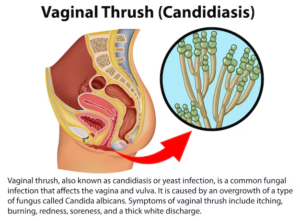
Ayurvedic Treatment for Candida Infection: A Comprehensive Guide are a common and often troublesome health issue,... Continue reading
Ayurvedic Approach to Encephalitis: A Holistic Healing Path is a serious medical condition characterized by inflammation... Continue reading
Ayurvedic Approach to Managing Fatty Liver Disease (NAFLD), particularly Non-Alcoholic Fatty Liver Disease (NAFLD), has emerged... Continue reading
Hematuria and Ayurvedic Treatment: A Comprehensive Guide to Understanding and Managing Blood in Urine the presence... Continue reading
Add comment