
No products in the cart.
Return To ShopSmoking-Related Illnesses and Ayurveda: A Holistic Approach to Healing
Introduction
Smoking-Related Illnesses and Ayurveda: A Holistic Approach to Healing remains one of the leading causes of preventable diseases worldwide, contributing to a host of serious health issues, including respiratory diseases, cardiovascular problems, and various cancers. While conventional medicine focuses on pharmacological interventions and lifestyle changes, Ayurveda, the ancient system of medicine from India, offers a holistic approach to combating the ill effects of smoking. This blog explores the smoking-related illnesses and how Ayurvedic principles can aid in healing and prevention.
Understanding Smoking-Related Illnesses

1. Respiratory Diseases
Smoking primarily affects the lungs and respiratory system, leading to chronic obstructive pulmonary disease (COPD), emphysema, and chronic bronchitis. The inhalation of tobacco smoke causes inflammation, obstructs airflow, and results in severe damage to lung tissues.
2. Cardiovascular Issues
Tobacco use is a major risk factor for cardiovascular diseases. It damages blood vessels, increases blood pressure, and promotes the formation of blood clots, leading to heart attacks and strokes.
3. Cancers
Cigarette smoke contains numerous carcinogens. Smoking is closely linked to various cancers, particularly lung cancer, but also cancers of the mouth, throat, esophagus, bladder, and pancreas.
4. Mental Health
There is a growing body of evidence linking smoking with mental health issues such as anxiety and depression. The neurochemical changes induced by nicotine can exacerbate these conditions, creating a vicious cycle of dependence.
The Ayurvedic Perspective
Ayurveda views health as a balance of the body, mind, and spirit, and it emphasizes prevention and natural healing. The fundamental concepts in Ayurveda—Doshas (bio-energetic forces), Dhatus (tissues), and Malas (wastes)—play a crucial role in understanding the impact of smoking on health.
Doshas and Smoking
The three Doshas—Vata, Pitta, and Kapha—are essential to Ayurvedic diagnosis and treatment. Smoking is believed to aggravate all three Doshas:
- Vata: Increased dry and cold qualities may lead to respiratory issues.
- Pitta: Smoking can increase heat, causing inflammation and digestive problems.
- Kapha: It leads to increased mucus production and congestion, contributing to respiratory diseases.
By understanding how smoking affects these Doshas, Ayurvedic practitioners can tailor treatments to restore balance.
Ayurvedic Remedies for Smoking-Related Illnesses
1. Herbal Treatments
Ayurvedic herbs can play a significant role in detoxification and healing from the effects of smoking:
- Tulsi (Holy Basil): Known for its adaptogenic properties, Tulsi helps in reducing stress and improving lung function.
- Ginger: Anti-inflammatory and antioxidant, ginger can help clear mucus from the lungs and improve respiratory health.
- Licorice Root: Soothes the respiratory tract, reduces inflammation, and aids in detoxification.
- Turmeric: With its powerful anti-inflammatory properties, turmeric supports lung health and may reduce the risk of cancer.
2. Detoxification
Ayurveda emphasizes the importance of detoxification, or Panchakarma, to eliminate toxins from the body. For smokers, this process can help cleanse the lungs and restore balance. Methods may include:
- Vamana (Therapeutic Vomiting): Cleanses the upper respiratory tract.
- Virechana (Purgation): Helps eliminate toxins from the digestive system.
- Basti (Enema Therapy): Cleanses the colon, improving overall health and reducing the effects of smoking.
3. Dietary Adjustments
Nutrition plays a vital role in recovery from smoking-related illnesses. Ayurvedic dietary recommendations include:
- Anti-inflammatory Foods: Incorporate foods rich in omega-3 fatty acids, such as flaxseeds and walnuts, along with anti-inflammatory spices like turmeric and black pepper.
- Fruits and Vegetables: High in antioxidants, these foods help combat oxidative stress caused by smoking.
- Hydration: Adequate water intake supports detoxification and helps clear the respiratory system.
4. Lifestyle Modifications
Ayurveda encourages a balanced lifestyle to enhance overall well-being:
- Yoga and Pranayama: These practices improve lung capacity, reduce stress, and promote relaxation. Techniques like Bhramari (humming bee breath) and Ujjayi (victorious breath) are particularly beneficial for lung health.
- Meditation: Mindfulness and meditation can help address mental health issues linked to smoking, such as anxiety and depression.
- Sleep Hygiene: Quality sleep is crucial for recovery and overall health. Establishing a consistent sleep routine can enhance healing.
Preventive Measures
1. Awareness and Education
Understanding the risks associated with smoking is the first step toward prevention. Ayurvedic practitioners can play a role in educating individuals about the health consequences and the importance of a balanced lifestyle.
2. Stress Management
Stress is a common trigger for smoking. Integrating Ayurvedic practices like meditation, yoga, and herbal teas can help manage stress levels effectively.
3. Support Systems
Creating a supportive environment is crucial for those trying to quit smoking. Ayurvedic communities often promote group activities such as yoga sessions and workshops to foster a sense of belonging and support.
Conclusion
Smoking-related illnesses present significant health challenges, but Ayurveda offers a holistic framework for prevention and recovery. By understanding the effects of smoking on the body and mind, and by embracing Ayurvedic principles, individuals can embark on a path toward healing and wellness. Through herbal remedies, detoxification, dietary adjustments, and lifestyle modifications, Ayurveda not only addresses the immediate effects of smoking but also promotes long-term health and well-being.
By incorporating Ayurvedic wisdom into smoking cessation and recovery efforts, individuals can enhance their journey toward a healthier, smoke-free life. The journey may be challenging, but with the right tools and support, healing is entirely possible.


About author

Related posts

Atrial Fibrillation and Ayurveda: A Natural Path to Heart Health is a common heart condition that... Continue reading
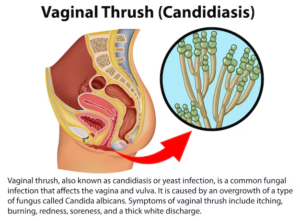
Ayurvedic Treatment for Candida Infection: A Comprehensive Guide are a common and often troublesome health issue,... Continue reading
Ayurvedic Approach to Encephalitis: A Holistic Healing Path is a serious medical condition characterized by inflammation... Continue reading
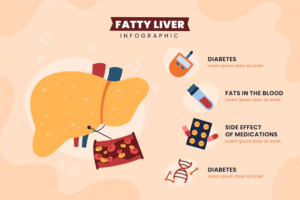
Ayurvedic Approach to Managing Fatty Liver Disease (NAFLD), particularly Non-Alcoholic Fatty Liver Disease (NAFLD), has emerged... Continue reading

Hematuria and Ayurvedic Treatment: A Comprehensive Guide to Understanding and Managing Blood in Urine the presence... Continue reading
Add comment