
No products in the cart.
Return To ShopUnderstanding Chikungunya Through Ayurveda: A Holistic Approach
Understanding Chikungunya Through Ayurveda: A Holistic Approach is a viral disease transmitted primarily by Aedes mosquitoes, characterized by severe joint pain, fever, and rash. While conventional medicine offers various treatments to manage symptoms, Ayurveda—a holistic system of medicine that has been practiced for thousands of years—provides unique insights and remedies for addressing this condition.
The Nature of Chikungunya
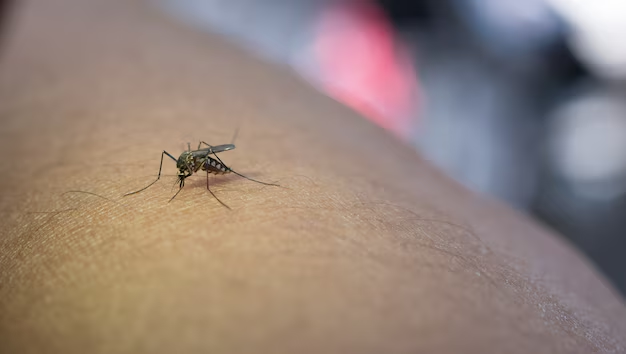
Chikungunya is primarily characterized by fever, severe arthralgia (joint pain), headache, and sometimes rashes. The term “Chikungunya” comes from the Makonde language, meaning “to become contorted,” which reflects the stooped appearance of those afflicted by severe joint pain. While the illness typically resolves within a week, some patients may experience chronic joint pain lasting for months or even years.
Symptoms of Chikungunya
- Fever: Sudden onset, often high-grade.
- Joint Pain: Symmetrical pain affecting wrists, fingers, and ankles.
- Rash: Can appear as small spots or larger areas on the body.
- Fatigue: General feeling of weakness or malaise.
- Headaches: Commonly experienced alongside fever.
Understanding these symptoms can help in the timely application of Ayurvedic principles to manage the disease effectively.
Ayurvedic Perspective on Chikungunya
Ayurveda approaches diseases through the lens of balance among the body’s three doshas: Vata, Pitta, and Kapha. In the case of Chikungunya, the predominant symptoms suggest an imbalance in Vata dosha due to the intense pain and inflammation. Ayurveda seeks to restore this balance through diet, herbal remedies, and lifestyle modifications.
Dosha Imbalance and Chikungunya
- Vata Dosha: Characterized by air and space, Vata governs movement in the body, including circulation and nerve impulses. When aggravated, it can lead to symptoms like dryness, pain, and a sense of instability, mirroring the effects of Chikungunya.
- Pitta Dosha: Associated with fire and water, Pitta governs digestion and metabolism. In the context of Chikungunya, Pitta may contribute to fever and inflammation.
- Kapha Dosha: Comprising earth and water, Kapha provides structure and stability. Though less involved in Chikungunya, imbalances can influence overall health.
The Ayurvedic Approach to Management
1. Dietary Recommendations
Ayurveda emphasizes the importance of diet in managing diseases. For individuals suffering from Chikungunya, the following dietary principles can be beneficial:
- Hydration: Drink warm fluids such as herbal teas, broths, and soups to stay hydrated and aid digestion.
- Light, Warm Foods: Opt for easily digestible foods like khichdi (a mix of rice and lentils) and cooked vegetables to avoid overloading the digestive system.
- Anti-Inflammatory Spices: Incorporate spices like turmeric, ginger, and black pepper, known for their anti-inflammatory properties.
2. Herbal Remedies
Ayurveda offers a wealth of herbs that can help alleviate symptoms of Chikungunya. Here are some key herbs and their benefits:
- Ashwagandha (Withania somnifera): Known for its adaptogenic properties, it helps reduce fatigue and boosts the immune system.
- Turmeric (Curcuma longa): Contains curcumin, a powerful anti-inflammatory compound that can help alleviate joint pain and reduce fever.
- Ginger (Zingiber officinale): Effective in reducing nausea and inflammation, ginger can help soothe symptoms associated with fever and discomfort.
- Giloy (Tinospora cordifolia): Boosts immunity and helps the body fight infections. It’s also known to reduce fever.
3. Lifestyle Modifications
Lifestyle plays a crucial role in recovery. Here are some Ayurvedic practices to consider:
- Rest: Adequate rest is essential for recovery. Listen to your body and allow it time to heal.
- Yoga and Gentle Movement: Once the fever subsides, gentle yoga or stretching can help ease joint stiffness. Poses that focus on flexibility and mobility are especially beneficial.
- Meditation and Pranayama: Stress management techniques like meditation and pranayama (breath control) can help balance the mind and reduce the perception of pain.
4. Panchakarma
Panchakarma, a cleansing and rejuvenation therapy in Ayurveda, may also be beneficial for individuals suffering from chronic symptoms post-Chikungunya. Techniques may include:
- Abhyanga: A warm oil massage that helps soothe Vata and reduce pain.
- Swedana: Herbal steam therapy that encourages sweating and detoxification.
- Basti: Enema therapy that balances Vata and promotes overall well-being.
Preventive Measures
Prevention is key in avoiding the spread of Chikungunya. Ayurvedic practices can play a role in enhancing immunity and reducing the risk of mosquito bites:
- Diet for Immunity: Focus on foods that boost immunity, such as seasonal fruits and vegetables, whole grains, and lean proteins.
- Herbal Infusions: Regularly consume herbal infusions made from neem leaves or tulsi (holy basil) to enhance immunity.
- Avoiding Mosquito Breeding: Eliminate standing water around homes and use natural repellents containing citronella or eucalyptus oil.
Conclusion
Understanding Chikungunya Through Ayurveda: A Holistic Approach can be a debilitating illness, but Ayurveda offers a comprehensive approach to managing and recovering from its symptoms. By understanding the dosha imbalances, making dietary changes, utilizing herbal remedies, and adopting lifestyle modifications, individuals can support their recovery journey.
While Ayurveda provides valuable tools for managing Chikungunya, it is essential to consult with a qualified healthcare professional for accurate diagnosis and treatment. Embracing a holistic approach not only aids in recovery but also fosters overall well-being, ensuring that the body is resilient against future ailments.
Incorporating Ayurvedic wisdom into modern health practices can empower individuals to take charge of their health and well-being. By nurturing the body, mind, and spirit, we can achieve balance and harmony, even in the face of challenging health conditions like Chikungunya.

About author

Related posts

Atrial Fibrillation and Ayurveda: A Natural Path to Heart Health is a common heart condition that... Continue reading
Ayurvedic Treatment for Candida Infection: A Comprehensive Guide are a common and often troublesome health issue,... Continue reading
Ayurvedic Approach to Encephalitis: A Holistic Healing Path is a serious medical condition characterized by inflammation... Continue reading
Ayurvedic Approach to Managing Fatty Liver Disease (NAFLD), particularly Non-Alcoholic Fatty Liver Disease (NAFLD), has emerged... Continue reading

Hematuria and Ayurvedic Treatment: A Comprehensive Guide to Understanding and Managing Blood in Urine the presence... Continue reading
Add comment