
No products in the cart.
Return To ShopAyurvedic Treatments for Celiac Disease
Ayurvedic Treatments for Celiac Disease an autoimmune disorder triggered by the ingestion of gluten, can significantly impact the quality of life for those affected. While traditional Western medicine primarily focuses on a strict gluten-free diet, Ayurveda offers a holistic approach that can support healing and overall well-being. This blog explores how Ayurvedic principles and treatments can help manage celiac disease.
Understanding Celiac Disease

Celiac disease occurs when the immune system reacts to gluten, a protein found in wheat, barley, and rye. This reaction damages the lining of the small intestine, leading to malabsorption of nutrients and various gastrointestinal and systemic symptoms, such as:
- Abdominal pain
- Diarrhea
- Bloating
- Fatigue
- Skin rashes
- Nutritional deficiencies
Given the complexity of the condition, many people with celiac disease seek complementary therapies to enhance their quality of life.
The Ayurvedic Perspective
Ayurveda, the ancient Indian system of medicine, emphasizes balance among the body, mind, and spirit. It operates on the concept of doshas—Vata, Pitta, and Kapha—which represent different energies in the body. Celiac disease can be understood through the lens of these doshas:
- Vata: Often associated with movement, Vata can be aggravated in celiac disease, leading to symptoms like bloating and gas.
- Pitta: Linked to digestion and metabolism, Pitta imbalances may contribute to inflammation and irritation in the gut.
- Kapha: Associated with stability and moisture, Kapha imbalances may lead to heaviness and sluggish digestion.
The Ayurvedic approach aims to restore balance among these doshas while promoting digestion and supporting the immune system.
Ayurvedic Dietary Recommendations
1. Gluten-Free Grains
The most crucial aspect of managing celiac disease is avoiding gluten. Fortunately, Ayurveda offers several gluten-free grains that can be included in the diet:
- Rice: A staple in Ayurvedic cuisine, rice is easy to digest and soothing for the digestive tract.
- Quinoa: This high-protein grain is packed with nutrients and beneficial for individuals with celiac disease.
- Buckwheat: Rich in antioxidants and fiber, buckwheat is another excellent alternative.
- Millets: Varieties such as finger millet and pearl millet can also be incorporated for their nutritional benefits.
2. Fresh, Whole Foods
Ayurveda emphasizes a diet rich in fresh, whole foods. Incorporating a variety of fruits, vegetables, and legumes can provide essential nutrients and support gut health. Aim for:
- Colorful vegetables: Such as carrots, beets, and spinach, which are rich in vitamins and minerals.
- Fruits: Apples, berries, and bananas can provide antioxidants and fiber.
- Legumes: Lentils and chickpeas are excellent sources of protein and can be included in soups and stews.
3. Spices for Digestion
Certain spices can enhance digestion and reduce inflammation, making them beneficial for those with celiac disease. Consider incorporating:
- Turmeric: Known for its anti-inflammatory properties, turmeric can support gut health.
- Ginger: Aids digestion and alleviates bloating and gas.
- Cumin: Stimulates digestive enzymes and promotes nutrient absorption.
- Fennel: Soothes the digestive system and can help relieve gas.
Herbal Remedies
In addition to dietary changes, Ayurveda utilizes various herbs that can support gut health and overall well-being:
1. Aloe Vera
Aloe vera has soothing properties that can help heal the intestinal lining. Consuming aloe vera juice may aid in reducing inflammation and promoting gut health.
2. Ashwagandha
This adaptogenic herb helps combat stress, which can exacerbate autoimmune conditions. Ashwagandha supports overall vitality and can improve resilience against illness.
3. Triphala
A blend of three fruits, Triphala aids digestion and detoxification. It can help regulate bowel movements and support gut health.
4. Slippery Elm
Known for its mucilaginous properties, slippery elm can soothe the digestive tract and reduce irritation caused by gluten exposure.
Lifestyle Modifications
1. Mindful Eating
Practicing mindful eating can significantly enhance digestion and nutrient absorption. This involves:
- Eating in a calm environment
- Chewing food thoroughly
- Avoiding distractions during meals
2. Regular Routine
Establishing a regular daily routine (Dinacharya) can help balance the doshas and support digestive health. This includes:
- Consistent meal times
- Adequate sleep
- Regular exercise that suits your body type
3. Stress Management
Stress can trigger celiac symptoms or exacerbate existing issues. Incorporating stress-reduction techniques, such as yoga, meditation, or deep-breathing exercises, can promote mental and emotional balance.
Detoxification Practices
Ayurveda emphasizes the importance of detoxification (Panchakarma) to cleanse the body and restore balance. Individuals with celiac disease may benefit from gentle detoxification practices that support gut health:
1. Oil Pulling
This practice involves swishing oil (like sesame or coconut) in the mouth for 15-20 minutes to help remove toxins. It can improve oral health and support overall detoxification.
2. Herbal Teas
Consuming herbal teas such as ginger, peppermint, or chamomile can aid digestion and soothe the digestive tract.
3. Fasting
Short-term fasting or intermittent fasting can provide the digestive system with a break, allowing it to reset. Always consult a healthcare professional before starting any fasting regimen.
Consultation with an Ayurvedic Practitioner
It is essential for individuals with celiac disease to consult a qualified Ayurvedic practitioner who can tailor treatments to their specific constitution (Prakriti) and current imbalances (Vikriti). Personalized recommendations may include dietary modifications, herbal formulations, and lifestyle adjustments that align with your unique needs.
Conclusion
While a strict gluten-free diet remains the cornerstone of managing celiac disease, Ayurveda offers complementary approaches that can support overall health and well-being. By focusing on balanced nutrition, herbal remedies, lifestyle modifications, and stress management, individuals with celiac disease can enhance their quality of life.
Incorporating Ayurvedic principles into your healing journey may not only help manage symptoms but also promote a deeper sense of harmony within the body. Always remember to work with healthcare professionals to ensure a comprehensive approach to managing celiac disease.

About author

Related posts

Atrial Fibrillation and Ayurveda: A Natural Path to Heart Health is a common heart condition that... Continue reading
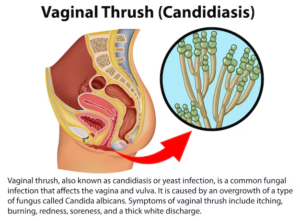
Ayurvedic Treatment for Candida Infection: A Comprehensive Guide are a common and often troublesome health issue,... Continue reading
Ayurvedic Approach to Encephalitis: A Holistic Healing Path is a serious medical condition characterized by inflammation... Continue reading

Ayurvedic Approach to Managing Fatty Liver Disease (NAFLD), particularly Non-Alcoholic Fatty Liver Disease (NAFLD), has emerged... Continue reading

Hematuria and Ayurvedic Treatment: A Comprehensive Guide to Understanding and Managing Blood in Urine the presence... Continue reading
Add comment