No products in the cart.
Return To ShopUnderstanding Srotas: The Ayurvedic Channels of the Body
Understanding Srotas: The Ayurvedic Channels of the Body in the vast and intricate framework of Ayurveda, the ancient Indian system of medicine, the concept of Srotas plays a pivotal role in understanding how the body functions. These channels or pathways are essential for the transport of nutrients, energy, and waste throughout the body, mirroring a complex network that sustains life. In this blog, we will explore the significance of Srotas, their types, functions, and their relationship with health and disease.
What are Srotas?
Srotas, derived from the Sanskrit word “srotas,” means “that which flows.” In Ayurveda, Srotas are described as the various channels through which substances such as nutrients, fluids, and energies move within the body. They can be thought of as the body’s transportation system, ensuring that vital elements reach their destinations and that waste products are efficiently eliminated.
The Importance of Srotas in Ayurveda
In Ayurveda, the health of an individual is viewed as a balance of the body, mind, and spirit. Srotas are integral to this balance as they facilitate:
- Nutrient Absorption: Ensuring that the body receives essential nutrients from food.
- Waste Elimination: Carrying toxins and waste products out of the body.
- Energy Flow: Distributing prana (life force) throughout the body.
- Communication: Allowing for interaction between different bodily systems.
When Srotas function optimally, they promote good health; however, when they become obstructed or dysfunctional, it can lead to various health issues.
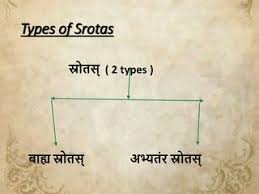
Types of Srotas
Ayurveda categorizes Srotas into two main types: Jatar Srotas (internal channels) and Bahar Srotas (external channels). Each type has various subcategories based on the organs and systems involved.
1. Jatar Srotas (Internal Channels)
These are primarily involved in the digestion and metabolism of food. Key internal Srotas include:
- Annavaha Srotas: These channels are responsible for the transport of food from the digestive system to various parts of the body. They are crucial for the digestion and assimilation of nutrients.
- Rasavaha Srotas: Responsible for transporting “Rasa,” the nutrient plasma that circulates in the body, nourishing tissues and organs.
- Raktavaha Srotas: These channels carry “Rakta,” or blood, playing a crucial role in oxygen and nutrient delivery to tissues.
- Mamsavaha Srotas: Responsible for transporting muscle tissue. They facilitate the delivery of nutrients that support muscle growth and repair.
- Medovaha Srotas: These channels carry “Meda,” or adipose tissue. They help in the storage and transport of fat in the body.
- Asthivaha Srotas: Responsible for bone tissue transport, ensuring that minerals and nutrients reach the skeletal system.
- Majjavaha Srotas: These channels carry “Majja,” or bone marrow, which is vital for the production of blood cells.
- Shukravaha Srotas: Responsible for transporting reproductive fluid, playing a key role in fertility and reproduction.
2. Bahar Srotas (External Channels)
These include the pathways that connect the body with the external environment, such as:
- Srotas of Excretion: Including the urinary and digestive tracts, these channels are vital for removing waste products from the body.
- Srotas of Sensation: These pathways transmit sensory information, allowing us to perceive the external world.
- Srotas of Respiration: Including the respiratory pathways, they are essential for gas exchange and oxygen delivery.
The Role of Srotas in Health
Maintaining the health of Srotas is crucial for overall well-being. Several factors can impact the function of these channels, leading to blockages or dysfunction:
1. Diet and Lifestyle
What we eat significantly affects the Srotas. A diet high in processed foods can lead to the accumulation of ama (toxins) in the body, obstructing Srotas. On the other hand, a balanced diet rich in whole foods nourishes these channels.
2. Emotional Well-being
Stress and emotional turmoil can create blockages in the Srotas. The mind and body are interconnected, and unresolved emotional issues can manifest as physical ailments.
3. Environmental Factors
Pollution and toxins in our surroundings can also obstruct Srotas. Ayurveda emphasizes the importance of living in harmony with nature to maintain the flow of health.
Signs of Srotas Dysfunction
When Srotas become obstructed or dysfunctional, various symptoms may manifest, depending on which channels are affected. Common signs of Srotas dysfunction include:
- Digestive Issues: Such as bloating, gas, constipation, or diarrhea, indicating problems in the Annavaha Srotas.
- Fatigue: Persistent tiredness may signal an imbalance in Rasavaha Srotas.
- Skin Issues: Rashes or eczema can indicate disturbances in Raktavaha Srotas.
- Reproductive Problems: Irregular menstrual cycles or fertility issues may arise from disturbances in Shukravaha Srotas.
Balancing Srotas: Ayurvedic Practices
To maintain the health of Srotas, Ayurveda offers several practices that promote balance and flow within the body:
1. Diet
A balanced diet tailored to an individual’s dosha (body constitution) is essential. Emphasizing fresh, whole foods, including fruits, vegetables, whole grains, and healthy fats, can nourish Srotas.
2. Herbal Remedies
Ayurveda utilizes various herbs to support the health of Srotas. For example:
- Ginger: Known for its digestive properties, ginger can help clear Annavaha Srotas.
- Turmeric: With its anti-inflammatory properties, turmeric can support Raktavaha Srotas.
- Ashwagandha: This adaptogen can help reduce stress, promoting overall Srotas health.
3. Yoga and Pranayama
Practicing yoga and pranayama (breath control) can enhance the flow of prana within the body, supporting Srotas function. Specific poses can target different organ systems, promoting circulation and balance.
4. Detoxification
Regular detoxification through practices like Panchakarma (a series of therapeutic procedures) can help cleanse the body of toxins and clear obstructed Srotas, restoring balance.
5. Mindfulness and Meditation
Incorporating mindfulness and meditation practices can address emotional blockages, promoting mental clarity and emotional well-being. This holistic approach supports the overall health of Srotas.
Conclusion
Understanding Srotas is fundamental to grasping the Ayurvedic perspective on health and wellness. These channels play a crucial role in maintaining the balance of the body’s systems, facilitating the flow of nutrients, energy, and waste. By recognizing the importance of Srotas and taking steps to nurture them through diet, lifestyle, and Ayurvedic practices, we can promote overall health and prevent disease.
As we strive for holistic well-being, let us honor the intricate pathways that sustain our life force, fostering a deeper connection with our bodies and the world around us. Through mindful living and awareness of the Srotas, we can enhance our health, vitality, and longevity, truly embodying the essence of Ayurveda.

About author

Related posts

Atrial Fibrillation and Ayurveda: A Natural Path to Heart Health is a common heart condition that... Continue reading
Ayurvedic Treatment for Candida Infection: A Comprehensive Guide are a common and often troublesome health issue,... Continue reading
Ayurvedic Approach to Encephalitis: A Holistic Healing Path is a serious medical condition characterized by inflammation... Continue reading
Ayurvedic Approach to Managing Fatty Liver Disease (NAFLD), particularly Non-Alcoholic Fatty Liver Disease (NAFLD), has emerged... Continue reading
Hematuria and Ayurvedic Treatment: A Comprehensive Guide to Understanding and Managing Blood in Urine the presence... Continue reading
Add comment