No products in the cart.
Return To ShopMuscular Dystrophy and Ayurveda: A Holistic Approach to Management
Muscular Dystrophy and Ayurveda: A Holistic Approach to Management refers to a group of genetic disorders characterized by progressive muscle weakness and degeneration. This condition poses significant challenges, not only to physical health but also to emotional and social well-being. While conventional medicine provides various treatments to manage symptoms, Ayurveda offers a holistic approach that focuses on balancing the body, mind, and spirit. In this blog, we will explore the nature of muscular dystrophy, its conventional treatments, and how Ayurvedic medicine can play a supportive role in managing this condition.
Understanding Muscular Dystrophy

Muscular dystrophy encompasses several types of inherited disorders, the most common being Duchenne Muscular Dystrophy (DMD) and Becker Muscular Dystrophy (BMD). These conditions primarily affect skeletal muscles, leading to muscle wasting and weakness. Symptoms usually manifest in early childhood, with progressive deterioration affecting mobility and overall function.
Symptoms of Muscular Dystrophy
- Progressive muscle weakness: Starting from the hips and pelvic area, moving to the shoulders and arms.
- Difficulty in motor skills: Such as running, jumping, and climbing stairs.
- Muscle cramps and stiffness: These can accompany weakness.
- Fatigue: Due to the increased effort required to perform basic tasks.
- Curvature of the spine: Scoliosis may develop as muscles weaken.
Conventional Treatments
Conventional approaches for muscular dystrophy include physical therapy, medications such as corticosteroids to slow muscle degeneration, and, in some cases, surgical interventions. These treatments aim to maintain muscle function, enhance mobility, and improve quality of life.
While effective, these methods often focus on symptom management rather than addressing the underlying imbalances in the body. This is where Ayurveda offers a different perspective.
The Ayurvedic Perspective on Muscular Dystrophy
Ayurveda, the ancient Indian system of medicine, views health as a state of balance between the body, mind, and spirit. According to Ayurveda, muscular dystrophy can be associated with imbalances in the doshas (Vata, Pitta, and Kapha).
Dosha Imbalance
- Vata Dosha: This dosha governs movement and nervous system function. In muscular dystrophy, an aggravated Vata may lead to muscle weakness and stiffness.
- Pitta Dosha: Responsible for metabolism and energy production, an imbalance in Pitta can cause inflammation and fatigue.
- Kapha Dosha: This dosha relates to structure and stability. A weak Kapha may lead to a lack of muscle tone and endurance.
Ayurvedic Treatment Approaches
Ayurvedic treatment for muscular dystrophy focuses on restoring balance through diet, lifestyle modifications, herbal remedies, and therapeutic techniques. Here are some key components:
1. Dietary Recommendations
A balanced diet tailored to the individual’s dosha is crucial. For those with muscular dystrophy:
- Vata Balancing Foods: Warm, moist, and nourishing foods such as cooked grains, dairy, nuts, and oils. Avoiding raw, cold, and dry foods can help mitigate Vata aggravation.
- Pitta Pacifying Foods: Cooling foods like cucumbers, melons, and leafy greens can help manage inflammation.
- Kapha Enhancing Foods: Light and invigorating foods that promote energy and prevent stagnation, such as legumes and spices, can be beneficial.
2. Herbal Remedies
Ayurveda offers various herbs that may support muscle strength and overall vitality:
- Ashwagandha (Withania somnifera): Known for its adaptogenic properties, it may help enhance strength and reduce fatigue.
- Guggulu (Commiphora mukul): This herb is often used to promote circulation and reduce inflammation.
- Turmeric (Curcuma longa): With its anti-inflammatory properties, turmeric can help alleviate pain and inflammation in the muscles.
3. Panchakarma Therapy
Panchakarma is a detoxification and rejuvenation process that involves five therapeutic actions. This treatment can help eliminate toxins (ama) and restore balance:
- Abhyanga (Oil Massage): A warm oil massage can nourish the muscles and improve circulation, promoting relaxation and mobility.
- Swedana (Steam Therapy): This therapy aids in detoxification and can help relieve muscle stiffness.
- Basti (Medicated Enema): Often used for Vata disorders, basti can help restore balance to the nervous system.
4. Yoga and Physical Activity
Gentle yoga practices can significantly benefit individuals with muscular dystrophy. Yoga enhances flexibility, strengthens muscles, and promotes relaxation. Specific postures that focus on balance and strength can be tailored to individual abilities, helping to maintain mobility.
5. Mind-Body Connection
Ayurveda emphasizes the connection between the mind and body. Techniques such as meditation, breathing exercises (Pranayama), and mindfulness practices can help manage stress and promote emotional well-being. These practices can be particularly beneficial in coping with the challenges posed by muscular dystrophy.
Case Studies and Success Stories
Many individuals have reported improvements in their quality of life through Ayurvedic practices. For instance, a case study involving a young boy diagnosed with Duchenne Muscular Dystrophy showed promising results after incorporating an Ayurvedic regimen. His treatment included dietary adjustments, herbal supplements, and regular yoga practice, which collectively enhanced his strength and mobility.
While individual results may vary, such stories illustrate the potential of Ayurveda in managing chronic conditions like muscular dystrophy.
Conclusion
Muscular Dystrophy and Ayurveda: A Holistic Approach to Management presents a complex set of challenges that require a multifaceted approach to treatment. While conventional medicine plays a critical role in managing symptoms, integrating Ayurvedic principles can provide a holistic framework for enhancing overall well-being.
By focusing on diet, herbal remedies, detoxification therapies, and mind-body practices, Ayurveda offers a supportive pathway for individuals living with muscular dystrophy. As with any treatment, it is essential to consult with qualified healthcare professionals, including both conventional and Ayurvedic practitioners, to develop a comprehensive and personalized care plan.
Ultimately, the goal is not only to manage symptoms but to foster a sense of empowerment and resilience in those affected by muscular dystrophy. Through a combination of modern and traditional practices, individuals can find hope and healing on their journey toward improved health and quality of life.

About author

Related posts
Atrial Fibrillation and Ayurveda: A Natural Path to Heart Health is a common heart condition that... Continue reading
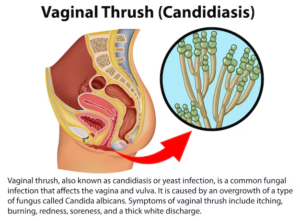
Ayurvedic Treatment for Candida Infection: A Comprehensive Guide are a common and often troublesome health issue,... Continue reading
Ayurvedic Approach to Encephalitis: A Holistic Healing Path is a serious medical condition characterized by inflammation... Continue reading
Ayurvedic Approach to Managing Fatty Liver Disease (NAFLD), particularly Non-Alcoholic Fatty Liver Disease (NAFLD), has emerged... Continue reading
Hematuria and Ayurvedic Treatment: A Comprehensive Guide to Understanding and Managing Blood in Urine the presence... Continue reading
Add comment