
No products in the cart.
Return To ShopUnderstanding Anxiety Disorders and the Ayurvedic Approach to Healing
Understanding Anxiety Disorders and the Ayurvedic Approach to Healing are among the most common mental health issues globally, affecting millions of individuals. Characterized by excessive fear or worry, these disorders can manifest in various forms, including generalized anxiety disorder (GAD), panic disorder, social anxiety disorder, and specific phobias. While modern medicine offers various treatments, many individuals are increasingly turning to alternative approaches, including Ayurveda. This ancient system of medicine from India provides holistic insights into the nature of anxiety and offers natural remedies to promote mental well-being.
What Are Anxiety Disorders?
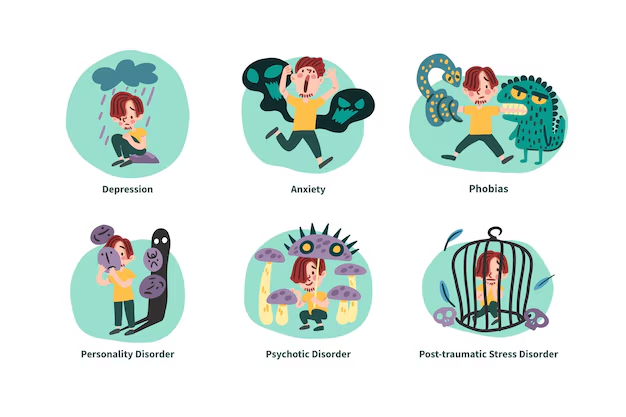
Anxiety disorders encompass a range of conditions marked by intense, persistent fear and anxiety. These feelings can interfere significantly with daily activities, leading to physical symptoms such as:
- Increased heart rate
- Sweating
- Trembling
- Fatigue
- Sleep disturbances
The exact causes of anxiety disorders are complex and multifaceted, involving genetic, environmental, and psychological factors. Stressful life events, trauma, and chemical imbalances in the brain may all contribute to the development of these disorders.
The Ayurvedic Perspective on Anxiety
Ayurveda, a holistic healing system that dates back over 5,000 years, emphasizes balance within the body, mind, and spirit. In Ayurveda, anxiety is often seen as a result of imbalances in the body’s doshas—Vata, Pitta, and Kapha. Each dosha represents a combination of elements and governs different physiological and psychological functions.
- Vata Dosha: Associated with air and space, Vata governs movement, communication, and creativity. An excess of Vata can lead to feelings of restlessness, fear, and anxiety.
- Pitta Dosha: Linked to fire and water, Pitta governs metabolism and transformation. An imbalance can result in irritability and intense emotions.
- Kapha Dosha: Comprising earth and water, Kapha provides stability and structure. Imbalances can lead to lethargy and withdrawal but can also manifest as anxiety when overwhelmed by Vata.
Identifying Your Dosha Imbalance
Before addressing anxiety through Ayurveda, it’s crucial to identify which dosha is out of balance. Practitioners often assess physical characteristics, emotional responses, and lifestyle habits. Common indicators include:
- Vata Imbalance: Feelings of nervousness, racing thoughts, insomnia, and physical symptoms like dry skin or constipation.
- Pitta Imbalance: Intense frustration, irritability, anger, and physical manifestations like acid reflux or skin irritations.
- Kapha Imbalance: Lethargy, sadness, attachment issues, and symptoms like weight gain or sinus congestion.
Ayurvedic Remedies for Anxiety
Once the dosha imbalance is identified, Ayurveda offers various strategies to restore equilibrium and alleviate anxiety. These remedies can include dietary changes, herbal supplements, lifestyle adjustments, and mindfulness practices.
1. Dietary Modifications
Food plays a crucial role in balancing the doshas. To manage anxiety, consider the following dietary recommendations:
- For Vata: Favor warm, moist, and nourishing foods. Incorporate cooked grains, nuts, seeds, and warm spices like ginger and cinnamon. Avoid excessive caffeine and raw foods, which can aggravate Vata.
- For Pitta: Consume cooling foods such as leafy greens, cucumbers, and sweet fruits. Limit spicy, fried, and overly acidic foods that can increase Pitta.
- For Kapha: Opt for light, stimulating foods. Emphasize fresh fruits, vegetables, and whole grains while minimizing heavy, oily foods and sugars.
2. Herbal Remedies
Ayurveda utilizes a variety of herbs known for their calming and stabilizing properties. Some popular choices include:
- Ashwagandha: Often referred to as “Indian ginseng,” this adaptogenic herb helps combat stress and anxiety, promoting overall mental health.
- Brahmi: Known for its cognitive-enhancing properties, Brahmi can help reduce anxiety and improve focus.
- Tulsi (Holy Basil): Revered for its adaptogenic qualities, Tulsi helps the body adapt to stress and promotes emotional balance.
- Chamomile: Often consumed as tea, Chamomile has soothing properties that can alleviate anxiety symptoms.
3. Lifestyle Practices
In addition to dietary changes and herbal remedies, certain lifestyle practices can enhance mental well-being:
- Yoga: A key component of Ayurvedic practice, yoga combines physical postures, breath control, and meditation to promote relaxation and reduce anxiety.
- Meditation: Regular meditation helps calm the mind, improves focus, and fosters emotional resilience. Techniques such as mindfulness meditation and guided imagery can be particularly beneficial.
- Breathwork (Pranayama): Breathing exercises help regulate the nervous system and can significantly reduce feelings of anxiety. Practices such as Nadi Shodhana (alternate nostril breathing) are especially effective.
- Adequate Sleep: Ensuring proper sleep hygiene is essential for mental health. Establish a consistent sleep routine, create a calming bedtime environment, and avoid stimulants before bedtime.
4. Daily Routines (Dinacharya)
Ayurveda emphasizes the importance of daily routines to maintain balance. Some practices include:
- Waking Up Early: Rise with the sun to align your energy with nature’s rhythms.
- Morning Rituals: Begin your day with a glass of warm water, followed by light stretching or yoga to awaken the body.
- Mindful Eating: Consume meals at regular intervals, focusing on wholesome foods and chewing thoroughly to aid digestion.
- Wind Down in the Evening: Establish a calming evening routine to prepare the body for sleep, incorporating practices such as reading or gentle stretching.
The Importance of Professional Guidance
While Ayurveda offers numerous tools for managing anxiety, it’s essential to consult with a qualified Ayurvedic practitioner. They can provide personalized assessments, recommend specific treatments, and ensure a comprehensive approach that considers your unique constitution and lifestyle.
Integrating Ayurveda with Modern Practices
For many individuals, a blended approach that incorporates both Ayurvedic principles and modern therapeutic methods can be beneficial. Cognitive-behavioral therapy (CBT), mindfulness-based stress reduction (MBSR), and medication may be effective when used alongside Ayurvedic remedies. This integrative approach allows for a more rounded understanding of anxiety and promotes overall wellness.
Conclusion
Understanding Anxiety Disorders and the Ayurvedic Approach to Healing can significantly impact one’s quality of life, but through the lens of Ayurveda, there are holistic ways to address and manage these challenges. By focusing on dietary changes, herbal remedies, lifestyle practices, and mindfulness, individuals can work towards achieving balance within themselves. Remember, healing is a journey, and embracing both traditional and modern approaches can lead to a more fulfilling and anxiety-free life. Whether you are looking for immediate relief or long-term strategies, Ayurveda offers a wealth of knowledge to support your mental health journey.


About author

Related posts

Atrial Fibrillation and Ayurveda: A Natural Path to Heart Health is a common heart condition that... Continue reading
Ayurvedic Treatment for Candida Infection: A Comprehensive Guide are a common and often troublesome health issue,... Continue reading
Ayurvedic Approach to Encephalitis: A Holistic Healing Path is a serious medical condition characterized by inflammation... Continue reading

Ayurvedic Approach to Managing Fatty Liver Disease (NAFLD), particularly Non-Alcoholic Fatty Liver Disease (NAFLD), has emerged... Continue reading

Hematuria and Ayurvedic Treatment: A Comprehensive Guide to Understanding and Managing Blood in Urine the presence... Continue reading
Add comment