
No products in the cart.
Return To ShopChronic Back Pain and Ayurveda: A Holistic Approach to Healing
Chronic Back Pain and Ayurveda: A Holistic Approach to Healing pain is a common affliction affecting millions worldwide. It can stem from various causes, including injury, poor posture, and underlying health conditions. While conventional medicine often emphasizes pain relief through medication or surgery, Ayurveda offers a holistic approach that addresses the root causes of back pain, promoting long-term healing and wellness.
Understanding Chronic Back Pain

Chronic back pain is defined as discomfort in the back that persists for more than three months. It can manifest in several forms, including:
- Acute Pain: Sudden and intense, often due to injury.
- Subacute Pain: Lasting from six weeks to three months.
- Chronic Pain: Ongoing pain that lasts longer than three months.
Common Causes of Chronic Back Pain
- Muscle or Ligament Strain: Overexertion, improper lifting, or awkward movements can strain back muscles or ligaments.
- Disc Problems: Herniated or bulging discs can compress nerves, leading to pain.
- Arthritis: Conditions like osteoarthritis can lead to inflammation and stiffness.
- Skeletal Irregularities: Conditions like scoliosis can alter spinal alignment.
- Osteoporosis: Weak, brittle bones can result in fractures and pain.
The Ayurvedic Perspective
Ayurveda, a 5,000-year-old system of natural healing from India, views health as a balance between body, mind, and spirit. It believes that each individual is unique, and treatments should be tailored accordingly. In Ayurveda, chronic back pain can be attributed to an imbalance of the three doshas: Vata, Pitta, and Kapha.
Dosha Imbalance and Back Pain
- Vata Imbalance: This is often associated with dryness, coldness, and irregularity. A Vata imbalance can lead to muscle spasms and stiffness, resulting in pain.
- Pitta Imbalance: Characterized by heat and inflammation, a Pitta imbalance can cause inflammatory back pain.
- Kapha Imbalance: This can lead to lethargy and sluggishness, resulting in weak muscles and structural support for the spine.
Ayurvedic Diagnosis
Ayurvedic practitioners assess an individual’s constitution (Prakriti) and current imbalances (Vikriti) through a thorough examination, which may include:
- Pulse Diagnosis: Understanding the state of the doshas.
- Observation: Noting physical symptoms and emotional state.
- Questionnaires: Gathering detailed health history.
1. Herbal Remedies
Ayurvedic herbs are powerful allies in managing pain and inflammation. Some commonly used herbs include:
- Ashwagandha (Withania somnifera): An adaptogen that helps reduce stress and inflammation.
- Turmeric (Curcuma longa): Known for its anti-inflammatory properties, turmeric can help alleviate pain.
- Ginger (Zingiber officinale): Often used for its analgesic and anti-inflammatory effects.
- Devil’s Claw (Harpagophytum procumbens): Traditionally used for pain relief and anti-inflammatory purposes.
2. Dietary Recommendations
Diet plays a crucial role in balancing the doshas. For managing back pain, consider the following:
- Anti-inflammatory Foods: Incorporate foods rich in omega-3 fatty acids, such as walnuts and flaxseeds, and antioxidants from colorful fruits and vegetables.
- Warm and Light Meals: Favor warm, cooked meals over raw foods to support digestion and balance Vata.
- Hydration: Ensure adequate hydration, especially with warm water and herbal teas.
3. Lifestyle Changes
Incorporating healthy habits can significantly impact back pain management:
- Yoga and Stretching: Specific asanas (postures) can strengthen back muscles, improve flexibility, and promote relaxation. Poses like Bhujangasana (Cobra Pose) and Setu Bandhasana (Bridge Pose) are beneficial.
- Meditation and Pranayama: Mindfulness practices help reduce stress and enhance mental clarity. Techniques like deep breathing can calm the nervous system and alleviate muscle tension.
- Adequate Rest: Ensure proper sleep positions to support spinal health. Using a supportive mattress and pillow can make a difference.
4. Panchakarma Therapy
Panchakarma is a detoxification process in Ayurveda that rejuvenates the body. It may involve:
- Abhyanga (Oil Massage): A warm oil massage that nourishes the muscles and promotes relaxation.
- Swedana (Steam Therapy): Induces sweating to eliminate toxins and reduce stiffness.
- Basti (Medicated Enema): Helps balance Vata dosha and can relieve pain.
5. External Treatments
- Hot and Cold Compresses: Alternating heat and cold applications can help reduce inflammation and soothe muscle tension.
- Poultices and Pastes: Herbal pastes can be applied to the affected area to reduce pain and swelling.
Integrating Ayurveda with Modern Medicine
While Ayurveda offers a wealth of natural remedies and practices, it’s essential to integrate these approaches with conventional medical advice. Always consult with healthcare professionals, especially if you have chronic conditions or are taking medications.
Creating a Personalized Plan
An effective Ayurvedic approach to chronic back pain involves a comprehensive plan tailored to individual needs. Working with a qualified Ayurvedic practitioner can help design a regimen that incorporates dietary changes, herbal supplements, yoga, and lifestyle modifications.
Conclusion
Chronic back pain can be debilitating, but Ayurveda offers a holistic pathway to healing. By understanding the underlying imbalances and adopting a comprehensive approach that includes herbal remedies, dietary changes, lifestyle modifications, and detoxification therapies, individuals can find relief and restore balance in their lives.
Remember, healing is a journey. Embrace the process, listen to your body, and allow Ayurveda to guide you toward a pain-free, fulfilling life. Whether you’re exploring traditional remedies or seeking modern solutions, a balanced approach can help you navigate the complexities of chronic back pain and emerge stronger.


About author

Related posts

Atrial Fibrillation and Ayurveda: A Natural Path to Heart Health is a common heart condition that... Continue reading
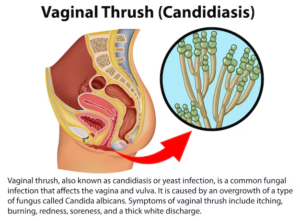
Ayurvedic Treatment for Candida Infection: A Comprehensive Guide are a common and often troublesome health issue,... Continue reading
Ayurvedic Approach to Encephalitis: A Holistic Healing Path is a serious medical condition characterized by inflammation... Continue reading
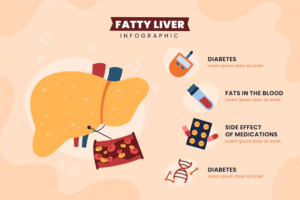
Ayurvedic Approach to Managing Fatty Liver Disease (NAFLD), particularly Non-Alcoholic Fatty Liver Disease (NAFLD), has emerged... Continue reading

Hematuria and Ayurvedic Treatment: A Comprehensive Guide to Understanding and Managing Blood in Urine the presence... Continue reading
Add comment