
No products in the cart.
Return To ShopUnderstanding Appendicitis Through the Lens of Ayurveda
Understanding Appendicitis Through the Lens of Ayurveda is a common medical condition characterized by inflammation of the appendix, a small pouch connected to the large intestine. While conventional medicine often approaches this condition with surgical intervention, Ayurveda—an ancient Indian system of medicine—offers a holistic perspective that emphasizes balance, prevention, and natural remedies. In this blog, we will explore appendicitis from an Ayurvedic viewpoint, discussing its causes, symptoms, and treatment options, while highlighting the importance of diet and lifestyle in maintaining digestive health.
What is Appendicitis?
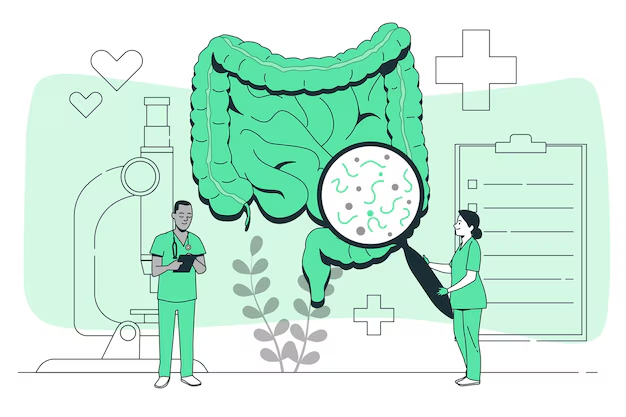
Appendicitis typically occurs when the appendix becomes blocked, often by stool, a foreign body, or cancerous growths. This blockage leads to an increase in pressure, reduced blood flow, and bacterial overgrowth, resulting in inflammation. If not treated, appendicitis can lead to serious complications, such as a ruptured appendix, which can be life-threatening.
Symptoms of Appendicitis
Common symptoms include:
- Abdominal Pain: Initially around the navel, moving to the lower right abdomen.
- Nausea and Vomiting: Accompanying the pain.
- Loss of Appetite: Often leads to avoidance of food.
- Fever: Low-grade fever may occur.
- Constipation or Diarrhea: Changes in bowel habits can also be a sign.
Conventional Treatment
Traditionally, appendicitis is treated through surgery (appendectomy) to remove the inflamed appendix. While effective, this approach does not address the underlying imbalances that may contribute to digestive disorders.
Ayurvedic Perspective on Appendicitis
Dosha Imbalance
- Vata: Governs movement and is associated with air and space.
- Pitta: Represents transformation and is linked to fire and water.
- Kapha: Represents stability and structure, associated with earth and water.
Appendicitis is primarily associated with an imbalance in Pitta dosha, characterized by heat, sharpness, and intensity. Factors that can aggravate Pitta include a spicy diet, emotional stress, and improper food combinations.
Causes of Appendicitis in Ayurveda
- Dietary Habits: Excessive consumption of spicy, oily, or processed foods can lead to digestive disturbances.
- Emotional Stress: Stress can upset the balance of doshas, particularly Pitta, leading to inflammation.
- Improper Food Combinations: Mixing incompatible foods can hinder digestion and lead to toxin accumulation.
- Lack of Digestion: Accumulation of undigested food (ama) can lead to blockages and inflammation.
Ayurvedic Treatment Approaches
1. Dietary Modifications
Diet plays a crucial role in Ayurvedic treatment. For appendicitis, the focus is on soothing the digestive system and reducing Pitta aggravation.
- Avoid Spicy and Oily Foods: These can exacerbate inflammation.
- Incorporate Cooling Foods: Include cucumbers, melons, and leafy greens.
- Opt for Light, Easily Digestible Meals: Simple soups, steamed vegetables, and rice are ideal.
- Stay Hydrated: Drink warm water or herbal teas to support digestion.
2. Herbal Remedies
Ayurveda offers several herbs that can help alleviate inflammation and support digestion:
- Turmeric: Known for its anti-inflammatory properties, turmeric can be added to meals or taken as a supplement.
- Ginger: Aids digestion and reduces nausea. It can be consumed as tea or added to food.
- Triphala: A blend of three fruits, Triphala supports digestive health and detoxification.
- Ajwain (Carom Seeds): Helps alleviate gas and bloating, promoting better digestion.
3. Lifestyle Practices
Incorporating lifestyle changes is vital for maintaining balance and preventing future issues:
- Yoga and Pranayama: Gentle yoga poses and breathing exercises can help reduce stress and improve digestion.
- Mindfulness and Meditation: Practices that promote relaxation can help balance Pitta and reduce emotional stress.
- Routine: Establishing a regular eating and sleeping schedule can support overall health.
4. Panchakarma
Panchakarma is an Ayurvedic detoxification process that can help eliminate toxins from the body. It includes treatments such as:
- Abhyanga: Warm oil massage to promote circulation and relaxation.
- Snehana: Oleation therapy that prepares the body for detoxification.
- Virechana: Therapeutic purgation to cleanse the digestive tract.
Prevention of Appendicitis
Preventing appendicitis involves maintaining a balanced lifestyle that promotes digestive health:
- Balanced Diet: Emphasize whole, fresh foods while avoiding processed options.
- Regular Exercise: Physical activity promotes healthy digestion and reduces stress.
- Stress Management: Engage in activities that relax the mind and body.
- Proper Digestion: Focus on mindful eating—chew food thoroughly and avoid eating in a hurry.
Conclusion
While appendicitis often requires medical intervention, understanding it through the Ayurvedic lens can offer valuable insights into prevention and holistic treatment. By emphasizing diet, lifestyle changes, and natural remedies, Ayurveda provides a comprehensive approach to maintaining digestive health.
If you experience symptoms of appendicitis, it is crucial to consult a healthcare professional for appropriate evaluation and treatment. However, adopting Ayurvedic principles can support your overall well-being and help you navigate digestive issues more effectively. Remember, the journey to health is not just about treating symptoms but fostering balance and harmony within your body.

About author

Related posts

Atrial Fibrillation and Ayurveda: A Natural Path to Heart Health is a common heart condition that... Continue reading
Ayurvedic Treatment for Candida Infection: A Comprehensive Guide are a common and often troublesome health issue,... Continue reading
Ayurvedic Approach to Encephalitis: A Holistic Healing Path is a serious medical condition characterized by inflammation... Continue reading
Ayurvedic Approach to Managing Fatty Liver Disease (NAFLD), particularly Non-Alcoholic Fatty Liver Disease (NAFLD), has emerged... Continue reading
Hematuria and Ayurvedic Treatment: A Comprehensive Guide to Understanding and Managing Blood in Urine the presence... Continue reading
Add comment