
No products in the cart.
Return To ShopUnderstanding High Cholesterol: An Ayurvedic Approach to Management
Understanding High Cholesterol: An Ayurvedic Approach to Management is a growing concern for many people around the world. While modern medicine offers various treatment options, Ayurveda—a traditional Indian system of medicine—provides holistic solutions that focus on balancing the body, mind, and spirit. In this blog, we will explore high cholesterol from an Ayurvedic perspective, discussing its causes, symptoms, and natural remedies that can help manage cholesterol levels effectively.
What is Cholesterol?
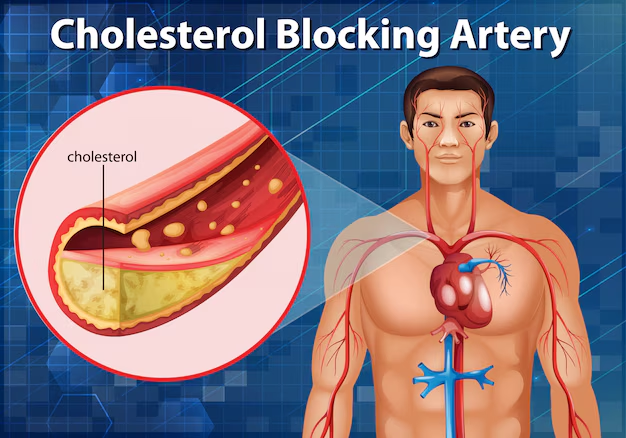
Cholesterol is a waxy, fat-like substance found in every cell of the body. It is essential for producing hormones, vitamin D, and substances that help digest foods. Cholesterol travels through the bloodstream in lipoproteins, which can be categorized into two main types:
- Low-Density Lipoprotein (LDL): Often referred to as “bad” cholesterol, high levels of LDL can lead to plaque buildup in arteries, increasing the risk of heart disease.
- High-Density Lipoprotein (HDL): Known as “good” cholesterol, HDL helps remove other forms of cholesterol from the bloodstream, reducing the risk of heart disease.
The Ayurvedic Perspective on Cholesterol
In Ayurveda, health is seen as a balance between three doshas: Vata, Pitta, and Kapha. High cholesterol is primarily associated with an imbalance in the Kapha dosha, which is characterized by heaviness, stability, and sluggishness. Factors such as poor diet, lack of physical activity, stress, and unhealthy lifestyle choices can lead to Kapha imbalances, resulting in high cholesterol levels.
Causes of High Cholesterol in Ayurveda
- Diet: Consumption of unhealthy fats (saturated and trans fats), processed foods, and sugar can aggravate Kapha.
- Sedentary Lifestyle: Lack of physical activity can lead to weight gain and increase Kapha dosha.
- Stress: Emotional stress can lead to unhealthy eating habits, contributing to high cholesterol.
- Genetics: Family history can also play a role in cholesterol levels.
Symptoms of High Cholesterol
High cholesterol itself usually doesn’t present any obvious symptoms, but it can lead to serious health issues over time, such as:
- Chest pain (angina)
- Heart attack
- Stroke
- Fatigue
- Numbness or weakness in limbs
Ayurvedic Diagnosis of High Cholesterol
In Ayurveda, diagnosis involves a comprehensive evaluation of a person’s physical, mental, and emotional health. Practitioners may use techniques such as:
- Pulse Diagnosis (Nadi Pariksha): Analyzing pulse to assess dosha imbalances.
- Tongue Examination: Observing tongue coating and color for signs of imbalance.
- Physical Examination: Assessing body composition and overall health.
Ayurvedic Treatments for High Cholesterol
- Dietary Modifications
- Emphasize Whole Foods: Incorporate fresh fruits, vegetables, whole grains, and legumes into your diet.
- Healthy Fats: Use ghee or olive oil instead of saturated fats. Avocados and nuts are excellent sources of healthy fats.
- Spices: Include turmeric, garlic, and ginger, which have cholesterol-lowering properties.
- Limit Sugar and Processed Foods: Reduce intake of sugary snacks and processed foods that can lead to weight gain.
- Herbal Remedies Several Ayurvedic herbs are known for their cholesterol-lowering effects:
- Guggul (Commiphora mukul): A potent herb that helps lower LDL cholesterol and triglycerides while increasing HDL cholesterol.
- Turmeric (Curcuma longa): Contains curcumin, which is anti-inflammatory and helps improve cholesterol levels.
- Fenugreek (Trigonella foenum-graecum): Seeds have been shown to reduce cholesterol and improve heart health.
- Amla (Emblica officinalis): A rich source of vitamin C, it supports heart health and helps regulate cholesterol levels.
- Lifestyle Changes
- Exercise Regularly: Engage in at least 30 minutes of moderate physical activity most days of the week. Activities like yoga, walking, and swimming are particularly beneficial.
- Stress Management: Practice meditation, yoga, or deep-breathing exercises to reduce stress levels.
- Sleep: Ensure you get enough restorative sleep each night, as poor sleep can lead to imbalances in cholesterol levels.
- Detoxification (Panchakarma) Ayurveda places a strong emphasis on detoxification to remove toxins (ama) from the body. Panchakarma is a series of therapies that can help cleanse the body and restore balance. This might include:
- Virechana: Therapeutic purgation to eliminate excess bile and toxins.
- Basti: Enema therapy to cleanse the colon and balance Vata.
- Nasya: Nasal administration of herbal oils to clear sinus passages and improve respiratory health.
- Regular Check-ups Regular consultations with an Ayurvedic practitioner can help monitor progress and make necessary adjustments to your treatment plan. Personalized recommendations based on your dosha and overall health will enhance effectiveness.
Preventing High Cholesterol
Preventive measures are crucial for maintaining healthy cholesterol levels. Here are some tips:
- Balanced Diet: Focus on a diet rich in fiber, fruits, and vegetables.
- Regular Exercise: Stay active to maintain a healthy weight and promote heart health.
- Limit Alcohol and Tobacco: Both can negatively impact cholesterol levels and overall health.
- Stay Hydrated: Drinking plenty of water aids in digestion and overall metabolic processes.
Conclusion
Understanding High Cholesterol: An Ayurvedic Approach to Management through Ayurveda offers a comprehensive and holistic approach. By focusing on diet, herbal remedies, lifestyle changes, and detoxification, individuals can effectively regulate their cholesterol levels and promote heart health. Always consult with a qualified Ayurvedic practitioner for personalized advice tailored to your specific needs.
Integrating Ayurvedic principles into daily life not only addresses high cholesterol but also fosters overall well-being. Remember, maintaining balance in body, mind, and spirit is key to a healthy life. Whether you’re looking to prevent high cholesterol or manage existing levels, Ayurveda provides valuable insights and solutions for achieving optimal health.

About author

Related posts

Atrial Fibrillation and Ayurveda: A Natural Path to Heart Health is a common heart condition that... Continue reading
Ayurvedic Treatment for Candida Infection: A Comprehensive Guide are a common and often troublesome health issue,... Continue reading
Ayurvedic Approach to Encephalitis: A Holistic Healing Path is a serious medical condition characterized by inflammation... Continue reading
Ayurvedic Approach to Managing Fatty Liver Disease (NAFLD), particularly Non-Alcoholic Fatty Liver Disease (NAFLD), has emerged... Continue reading
Hematuria and Ayurvedic Treatment: A Comprehensive Guide to Understanding and Managing Blood in Urine the presence... Continue reading
Add comment