
No products in the cart.
Return To ShopUnderstanding Brain Injury and the Role of Ayurveda in Recovery
Introduction
Understanding Brain Injury and the Role of Ayurveda in Recovery, whether caused by trauma, stroke, or other medical conditions, can have profound impacts on an individual’s life. These injuries can lead to cognitive impairments, emotional disturbances, and physical disabilities. While modern medicine plays a crucial role in managing these conditions, many people are turning to holistic approaches like Ayurveda to support recovery. This ancient Indian system of medicine offers a unique perspective on health and wellness, emphasizing balance, natural healing, and individualized treatment.
What is Brain Injury?
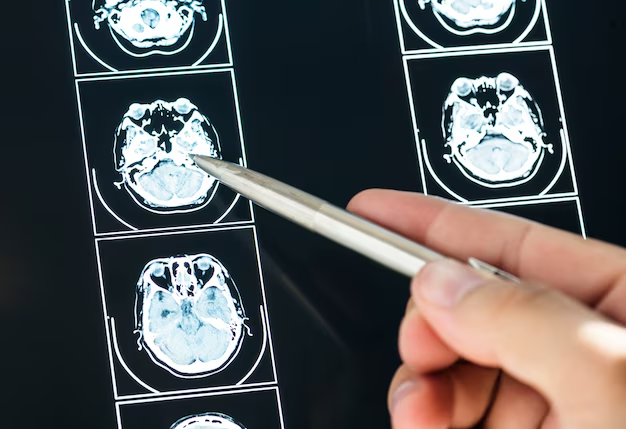
Brain injury can be classified into two main categories: traumatic brain injury (TBI) and acquired brain injury (ABI).
- Traumatic Brain Injury (TBI): This type of injury occurs due to an external force, such as a fall, car accident, or sports-related incident. TBIs can range from mild concussions to severe injuries that result in long-term disability.
- Acquired Brain Injury (ABI): ABIs occur due to internal factors, such as stroke, infections, or lack of oxygen. These injuries can affect brain function and lead to various cognitive and physical challenges.
Common symptoms of brain injuries include headaches, confusion, memory loss, mood swings, and difficulty with motor skills. Recovery can be a lengthy process, often requiring multidisciplinary care, including physical therapy, cognitive rehabilitation, and psychological support.
The Ayurvedic Perspective on Health
Ayurveda, which translates to “the science of life,” is based on the belief that health is a balance of physical, mental, and spiritual well-being. According to Ayurveda, every individual has a unique constitution (Prakriti), determined by the balance of three doshas: Vata, Pitta, and Kapha. These doshas are combinations of the five elements—earth, water, fire, air, and space—and govern various physiological and psychological functions.
When a person experiences a brain injury, Ayurveda views it as a disturbance in the balance of these doshas. The goal of Ayurvedic treatment is to restore harmony within the body, which can facilitate healing and recovery.
Ayurvedic Approach to Brain Injury
1. Diagnosis and Individualization
The first step in Ayurvedic treatment is a comprehensive assessment of the individual’s constitution, lifestyle, and the nature of the brain injury. Practitioners use various diagnostic methods, including pulse diagnosis and observation of physical and mental symptoms, to determine the underlying imbalances.
2. Dietary Recommendations
Nutrition plays a vital role in recovery. Ayurveda emphasizes a balanced diet tailored to the individual’s dosha. Foods that nourish the brain, enhance cognitive function, and promote overall health include:
- Healthy Fats: Ghee, nuts, and seeds are excellent for nourishing brain tissues.
- Fresh Fruits and Vegetables: These provide essential vitamins and minerals. Leafy greens, berries, and bananas are particularly beneficial.
- Whole Grains: Quinoa, brown rice, and oats can help stabilize energy levels and improve concentration.
Avoiding processed foods, excessive sugars, and stimulants like caffeine can also aid recovery.
3. Herbal Remedies
Ayurveda offers a rich array of herbs known for their neuroprotective and rejuvenating properties. Some key herbs include:
- Brahmi (Bacopa monnieri): This powerful herb is known for enhancing cognitive function, improving memory, and reducing anxiety.
- Ashwagandha (Withania somnifera): An adaptogen that helps the body cope with stress and supports brain health.
- Turmeric (Curcuma longa): Contains curcumin, which has anti-inflammatory and antioxidant properties, beneficial for brain health.
- Vacha (Acorus calamus): Traditionally used to enhance cognitive abilities and improve clarity of thought.
These herbs can be used in various forms, including powders, teas, and oils, depending on the individual’s needs.
4. Panchakarma Therapy
Panchakarma, the cornerstone of Ayurvedic detoxification, involves a series of therapeutic procedures designed to cleanse the body of toxins and restore balance. For brain injury recovery, specific treatments may include:
- Abhyanga (Oil Massage): This warm oil massage nourishes the body and mind, promoting relaxation and healing.
- Shirodhara: A treatment involving the pouring of warm oil on the forehead, which calms the nervous system and can improve cognitive function.
- Basti (Enema): Herbal enemas can help balance Vata dosha, which is often aggravated by stress and trauma.
These therapies should be performed by trained practitioners and tailored to the individual’s condition.
5. Yoga and Meditation
Yoga and meditation are integral components of Ayurvedic treatment, providing physical, mental, and emotional benefits. Specific practices may include:
- Asanas (Postures): Gentle yoga postures can improve circulation, enhance physical strength, and reduce tension.
- Pranayama (Breath Control): Breathing exercises help calm the mind and improve focus.
- Meditation: Mindfulness and meditation practices can aid in emotional regulation and cognitive recovery.
Regular practice of these techniques can promote a sense of peace and aid in mental clarity.
6. Lifestyle Modifications
Ayurveda emphasizes the importance of lifestyle in maintaining health. For individuals recovering from brain injuries, specific lifestyle recommendations may include:
- Sleep Hygiene: Ensuring adequate and quality sleep is essential for recovery. Ayurveda suggests a regular sleep schedule and creating a calming bedtime routine.
- Stress Management: Engaging in activities that promote relaxation, such as spending time in nature, practicing hobbies, or enjoying calming music, can aid in stress reduction.
- Routine: Establishing a daily routine that includes time for self-care, meals, and rest can provide stability and support recovery.
Conclusion
Brain injuries can significantly impact an individual’s life, but with a holistic approach like Ayurveda, recovery is not only possible but can also lead to a more balanced and fulfilling life. By addressing the root causes of imbalance and providing personalized care through diet, herbal remedies, therapies, and lifestyle changes, Ayurveda offers a comprehensive framework for healing.
As with any medical condition, it is essential to consult with qualified healthcare professionals before starting any new treatment. Integrating Ayurvedic practices with conventional medical care can provide a more robust support system, enhancing recovery and promoting overall well-being.
Embracing Ayurveda in the journey of healing from brain injury not only focuses on the physical aspect but also nurtures mental and emotional health, fostering a holistic recovery process that honors the unique essence of each individual.

About author

Related posts

Atrial Fibrillation and Ayurveda: A Natural Path to Heart Health is a common heart condition that... Continue reading
Ayurvedic Treatment for Candida Infection: A Comprehensive Guide are a common and often troublesome health issue,... Continue reading
Ayurvedic Approach to Encephalitis: A Holistic Healing Path is a serious medical condition characterized by inflammation... Continue reading
Ayurvedic Approach to Managing Fatty Liver Disease (NAFLD), particularly Non-Alcoholic Fatty Liver Disease (NAFLD), has emerged... Continue reading
Hematuria and Ayurvedic Treatment: A Comprehensive Guide to Understanding and Managing Blood in Urine the presence... Continue reading
Add comment