
No products in the cart.
Return To ShopUnderstanding Insect Bites: An Ayurvedic Perspective
Understanding Insect Bites: An Ayurvedic Perspective can be a common nuisance, causing discomfort, itching, and sometimes allergic reactions. While modern medicine offers various treatments, Ayurveda—an ancient system of medicine from India—provides holistic approaches to manage insect bites effectively. This blog will explore the causes, symptoms, and Ayurvedic remedies for insect bites, emphasizing natural healing methods that promote overall well-being.
The Nature of Insect Bites
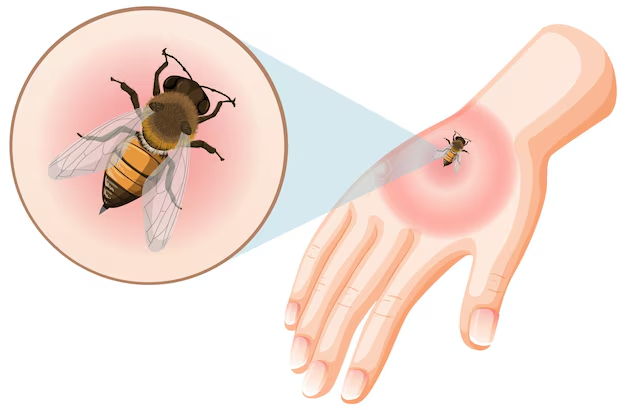
Insect bites occur when insects such as mosquitoes, fleas, bees, and ants penetrate the skin to feed on blood or defend their territory. The body reacts to the saliva or venom introduced during the bite, leading to inflammation and irritation. Common symptoms include:
- Redness and Swelling: The area around the bite often becomes inflamed.
- Itching and Pain: Histamines released in response to the bite can cause intense itching and discomfort.
- Allergic Reactions: In some cases, individuals may experience severe reactions, including difficulty breathing or swelling beyond the bite area.
The Ayurvedic Perspective
Ayurveda views health as a balance of three fundamental energies, or doshas: Vata, Pitta, and Kapha. Each dosha represents different physical and emotional characteristics. Understanding how these doshas influence our body’s reactions is essential for effective treatment.
Vata Dosha
Vata is associated with movement and change. An imbalance in Vata may lead to increased sensitivity to insect bites, resulting in excessive itching and dryness in the affected area.
Pitta Dosha
Pitta governs transformation and metabolism. Individuals with a Pitta imbalance may experience inflammation and redness following an insect bite, as this dosha is linked to heat and intensity.
Kapha Dosha
Kapha represents stability and structure. A Kapha imbalance might manifest as sluggishness in healing or excessive swelling around the bite.
Ayurvedic Remedies for Insect Bites
Understanding Insect Bites: An Ayurvedic Perspective emphasizes natural remedies that promote healing and balance in the body. Here are several effective treatments for managing insect bites:
1. Cold Compresses
Applying a cold compress to the affected area can provide immediate relief. It reduces swelling and numbs the pain. Soak a clean cloth in cold water or use ice wrapped in a towel and apply it for 10-15 minutes.
2. Neem (Azadirachta indica)
Neem is well-known for its antiseptic and anti-inflammatory properties. It can soothe the skin and prevent infections. To use neem:
- Neem Paste: Grind fresh neem leaves into a paste and apply it directly to the bite. Leave it on for 30 minutes before rinsing with lukewarm water.
- Neem Oil: Dilute neem oil with a carrier oil (like coconut or olive oil) and apply it to the affected area for added relief.
3. Aloe Vera
Aloe vera is renowned for its cooling and soothing properties. It helps alleviate pain and reduce inflammation. To use:
- Fresh Aloe Vera Gel: Cut an aloe vera leaf and extract the gel. Apply it directly to the bite area for immediate relief.
4. Turmeric
Turmeric possesses powerful anti-inflammatory and antiseptic qualities, making it an excellent remedy for insect bites. You can use turmeric in two ways:
- Turmeric Paste: Mix turmeric powder with water or coconut oil to create a paste. Apply it to the bite and leave it on for 30 minutes before washing it off.
- Turmeric Milk: Drinking warm milk with a pinch of turmeric can help reduce inflammation from within.
5. Basil (Tulsi)
Basil is another powerful herb in Ayurveda. It has anti-inflammatory and antimicrobial properties that can help soothe insect bites. To use basil:
- Basil Juice: Crush fresh basil leaves to extract the juice and apply it to the bite. This can reduce itching and inflammation.
6. Coconut Oil
Coconut oil is a natural moisturizer with anti-inflammatory properties. It can help soothe the skin and prevent dryness around the bite. Apply a thin layer of coconut oil to the affected area, and it will help lock in moisture and promote healing.
7. Honey
Honey is not only a delicious natural sweetener but also a potent healing agent. Its antimicrobial properties can help prevent infection and soothe irritated skin. Apply a small amount of raw honey to the bite and leave it on for 30 minutes before rinsing.
8. Fenugreek Seeds
Fenugreek has anti-inflammatory properties that can help reduce swelling and irritation. To use fenugreek for insect bites:
- Fenugreek Paste: Soak fenugreek seeds overnight, grind them into a paste, and apply to the affected area. Leave it on for 30 minutes before rinsing.
Dietary Recommendations
In addition to topical remedies, Ayurveda emphasizes the importance of diet in maintaining balance and promoting healing. Certain foods can help soothe inflammation and support the body’s recovery process:
1. Anti-Inflammatory Foods
Incorporate foods that reduce inflammation, such as:
- Turmeric
- Ginger
- Berries
- Leafy greens
- Fatty fish (rich in omega-3 fatty acids)
2. Hydration
Staying hydrated is crucial for maintaining skin health and supporting the body’s natural healing processes. Drink plenty of water, herbal teas, and fresh fruit juices to keep your body hydrated.
3. Avoiding Aggravating Foods
Certain foods can exacerbate inflammation and discomfort. Limit or avoid:
- Processed foods
- Sugary snacks
- Excessive caffeine and alcohol
Lifestyle Practices for Prevention
Preventing insect bites is just as important as treating them. Ayurveda promotes a balanced lifestyle that can help reduce the likelihood of bites:
1. Avoidance of Stagnant Water
Insects like mosquitoes breed in stagnant water. Ensure that you regularly empty containers that collect water in your surroundings to minimize their presence.
2. Natural Repellents
Consider using natural insect repellents made from essential oils, such as citronella, eucalyptus, or lavender. These oils can deter insects without the harsh chemicals found in many commercial repellents.
3. Wear Protective Clothing
When outdoors, especially in areas prone to insects, wear long sleeves and pants. Light-colored clothing is less attractive to certain insects, like mosquitoes.
4. Maintain Cleanliness
Keeping your living environment clean and free of food scraps can reduce the attraction of insects. Regularly clean and vacuum to eliminate potential breeding grounds.
Conclusion
Understanding Insect Bites: An Ayurvedic Perspective can be a bothersome aspect of life, but Ayurveda offers effective and natural remedies to alleviate discomfort and promote healing. By understanding the body’s dosha balance and utilizing herbal treatments, individuals can manage bites holistically. Incorporating preventive measures and maintaining a balanced diet further supports skin health and overall well-being. Embracing these Ayurvedic principles can lead to a more harmonious relationship with nature, minimizing the impact of insect bites on daily life.
In the pursuit of wellness, remember that the best approach combines knowledge, natural remedies, and preventive practices, allowing you to navigate life’s minor irritations with ease.
About author

Related posts

Atrial Fibrillation and Ayurveda: A Natural Path to Heart Health is a common heart condition that... Continue reading
Ayurvedic Treatment for Candida Infection: A Comprehensive Guide are a common and often troublesome health issue,... Continue reading

Ayurvedic Approach to Encephalitis: A Holistic Healing Path is a serious medical condition characterized by inflammation... Continue reading
Ayurvedic Approach to Managing Fatty Liver Disease (NAFLD), particularly Non-Alcoholic Fatty Liver Disease (NAFLD), has emerged... Continue reading

Hematuria and Ayurvedic Treatment: A Comprehensive Guide to Understanding and Managing Blood in Urine the presence... Continue reading
Add comment