
No products in the cart.
Return To ShopUnderstanding and Treating Spider Bites with Ayurveda
Understanding and Treating Spider Bites with Ayurveda, though often benign, can lead to discomfort, pain, and in some cases, serious health concerns. In recent years, there’s been a growing interest in alternative healing methods, including Ayurveda, to manage and treat the symptoms associated with spider bites. This ancient system of medicine, rooted in Indian traditions, focuses on balancing the body, mind, and spirit. In this blog, we’ll explore the nature of spider bites, their symptoms, and how Ayurveda can offer effective remedies.
What Are Spider Bites?
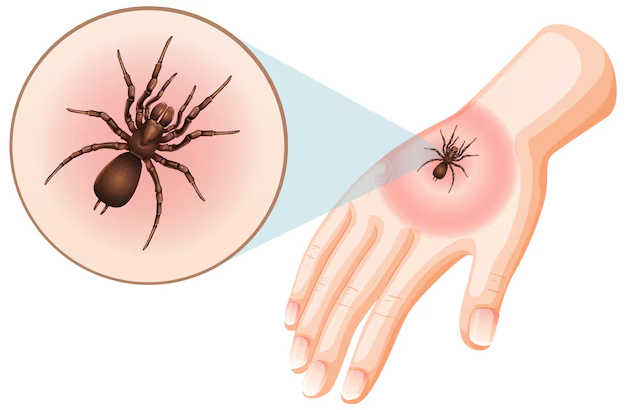
Spider bites occur when a spider’s fangs pierce the skin, injecting venom that can cause various reactions in the body. Most spider bites are harmless and may cause mild irritation or inflammation, but some, like those from the black widow or brown recluse, can lead to severe symptoms. Understanding the type of spider that caused the bite is crucial, as different spiders possess different venom types.
Common Symptoms of Spider Bites
Symptoms can vary depending on the spider species and individual reactions. Here are some common symptoms:
- Local Pain and Swelling: The bite area may become red, swollen, and painful.
- Itching and Rash: Some individuals may experience itching and a rash around the bite.
- Systemic Reactions: In severe cases, individuals may experience nausea, muscle pain, fever, or chills.
- Severe Cases: Certain bites can lead to necrosis or systemic symptoms that require medical attention.
Ayurvedic Perspective on Spider Bites
Ayurveda considers the body as a whole, focusing on the balance of three doshas: Vata, Pitta, and Kapha. When a spider bite occurs, it can disturb this balance, leading to symptoms that reflect an imbalance.
The Doshas Explained
- Vata: Represents air and space; associated with movement and communication.
- Pitta: Represents fire and water; linked to metabolism and transformation.
- Kapha: Represents earth and water; relates to structure and stability.
In the case of a spider bite, it is often seen as a Vata disturbance, leading to pain, swelling, and discomfort. An effective Ayurvedic treatment plan aims to restore balance and alleviate symptoms.
Ayurvedic Remedies for Spider Bites
1. Local Application of Herbs
Certain herbs can be directly applied to the affected area to reduce inflammation and pain:
- Turmeric (Curcuma longa): Known for its anti-inflammatory properties, turmeric can be made into a paste with water and applied to the bite area. The active compound, curcumin, helps in reducing swelling and redness.
- Neem (Azadirachta indica): Neem leaves have antimicrobial and anti-inflammatory properties. A paste made from fresh neem leaves can be applied to the bite to help prevent infection and soothe irritation.
- Aloe Vera: Known for its cooling and soothing properties, aloe vera gel can be applied to the bite area to alleviate pain and provide hydration to the skin.
2. Internal Herbal Remedies
In addition to topical applications, certain herbs can be ingested to support the body’s healing process:
- Ginger (Zingiber officinale): Ginger can help reduce inflammation and pain. Drinking ginger tea or consuming fresh ginger can aid in reducing systemic symptoms.
- Tulsi (Holy Basil): Known for its adaptogenic properties, Tulsi can help balance the doshas and boost the immune system. Drinking Tulsi tea can be beneficial in managing the body’s response to the venom.
- Ashwagandha (Withania somnifera): This adaptogenic herb helps in stress relief and can support overall immune function. It can be taken in powder form mixed with warm milk or water.
3. Panchakarma for Detoxification
For severe cases or if systemic symptoms arise, Ayurvedic detoxification methods such as Panchakarma may be beneficial. This comprehensive approach involves various therapies aimed at eliminating toxins from the body, thus restoring balance. Procedures may include:
- Abhyanga (Oil Massage): A warm oil massage using herbal oils can help in reducing pain and inflammation.
- Swedana (Sweating Therapy): Inducing sweat through steam or other means helps in detoxification and can aid in alleviating symptoms.
4. Dietary Adjustments
Diet plays a crucial role in Ayurveda. A balanced diet can help support recovery from a spider bite:
- Increase Hydration: Drink plenty of fluids to help flush out toxins.
- Anti-inflammatory Foods: Incorporate foods like berries, leafy greens, and fatty fish, which can help in reducing inflammation.
- Avoid Pitta aggravating foods: Foods that increase heat in the body, such as spicy and fried foods, should be minimized to prevent exacerbation of symptoms.
Lifestyle Practices for Prevention and Healing
In addition to herbal remedies and dietary changes, certain lifestyle practices can promote healing and prevent future incidents:
1. Yoga and Meditation
Engaging in yoga can help in improving circulation and reducing stress, which is essential for overall health. Meditation can also help in managing pain perception and stress levels.
2. Essential Oils
Using essential oils such as lavender or tea tree oil in a carrier oil can help soothe the affected area and promote healing.
3. Avoiding Risky Environments
To prevent spider bites, be cautious in environments where spiders are likely to dwell, such as dark corners, attics, or basements. Wearing protective clothing while gardening or hiking can also minimize risk.
When to Seek Medical Attention
While most spider bites can be treated at home, it’s essential to know when to seek medical help. If you experience severe symptoms such as difficulty breathing, chest pain, or spreading redness, consult a healthcare professional immediately.
Conclusion
Ayurveda offers a holistic approach to managing and treating spider bites. By focusing on restoring balance within the body, using natural remedies, and adopting preventive measures, individuals can effectively manage the discomfort associated with spider bites. Always consult with a qualified Ayurvedic practitioner to tailor the treatment to your specific needs. Remember, while Ayurveda can provide significant relief, it’s important to recognize the signs that necessitate conventional medical intervention.
With an understanding of both Ayurveda and the nature of spider bites, you can equip yourself with the knowledge to address such incidents holistically and effectively.

About author

Related posts

Atrial Fibrillation and Ayurveda: A Natural Path to Heart Health is a common heart condition that... Continue reading
Ayurvedic Treatment for Candida Infection: A Comprehensive Guide are a common and often troublesome health issue,... Continue reading
Ayurvedic Approach to Encephalitis: A Holistic Healing Path is a serious medical condition characterized by inflammation... Continue reading
Ayurvedic Approach to Managing Fatty Liver Disease (NAFLD), particularly Non-Alcoholic Fatty Liver Disease (NAFLD), has emerged... Continue reading

Hematuria and Ayurvedic Treatment: A Comprehensive Guide to Understanding and Managing Blood in Urine the presence... Continue reading
Add comment