
No products in the cart.
Return To ShopUnderstanding Vaginismus: Insights from Ayurveda
Introduction
Understanding Vaginismus: Insights from Ayurveda is a condition that affects many women, characterized by involuntary muscle contractions in the pelvic region that make penetration painful or impossible. This condition can cause significant emotional distress, impacting relationships and self-esteem. While Western medicine often focuses on physical treatments, Ayurveda offers a holistic approach, addressing both the body and mind. This blog will explore the Ayurvedic perspective on vaginismus, including its causes, symptoms, and natural treatments.
What is Vaginismus?
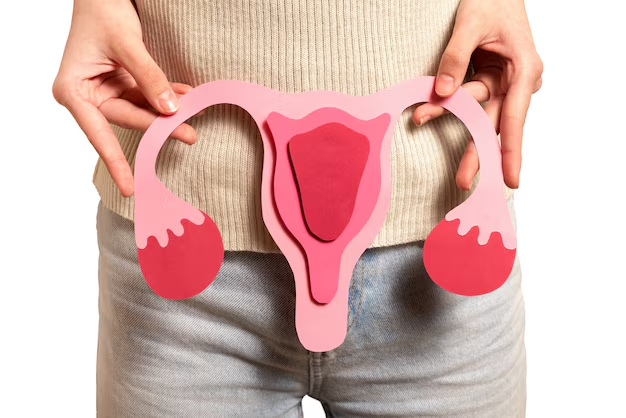
Vaginismus can occur due to various factors, including physical, psychological, and emotional triggers. These might include:
- Physical Causes: Trauma, infections, or underlying medical conditions.
- Psychological Causes: Anxiety, past sexual trauma, or fear of intimacy.
- Emotional Factors: Stress, relationship issues, or negative body image.
Understanding these causes is crucial in treating vaginismus effectively. Ayurveda, with its focus on balance and holistic healing, provides valuable insights into managing this condition.
The Ayurvedic Perspective
Ayurveda is an ancient system of medicine that emphasizes balance in the body, mind, and spirit. According to Ayurveda, health is achieved when the three doshas—Vata, Pitta, and Kapha—are in harmony. Each dosha has unique qualities, and imbalances can lead to physical and emotional ailments.
Doshas and Vaginismus
- Vata Dosha: Characterized by qualities such as dryness, coldness, and irregularity. An imbalance in Vata can lead to increased anxiety and tension in the pelvic area, contributing to vaginismus.
- Pitta Dosha: Associated with heat, intensity, and metabolism. Excess Pitta can cause inflammation and irritability, potentially leading to painful intercourse.
- Kapha Dosha: Known for its stability and nourishment. Imbalances can result in lethargy or emotional dampness, impacting sexual desire and intimacy.
In the case of vaginismus, Vata is often the primary dosha that needs balancing, as its qualities contribute to the involuntary muscle contractions and emotional distress associated with the condition.
Identifying Imbalances
Ayurvedic practitioners use a variety of methods to diagnose dosha imbalances, including pulse diagnosis, observation, and patient history. Some signs of Vata imbalance may include:
- Dryness in the body and mind
- Feelings of anxiety or fear
- Irregular menstrual cycles
- Digestive issues
Recognizing these symptoms can guide appropriate treatment strategies.
Ayurvedic Treatments for Vaginismus
1. Dietary Adjustments
Food plays a crucial role in balancing doshas. A diet that nourishes and calms Vata can help alleviate symptoms of vaginismus. Here are some recommendations:
- Warm, Cooked Foods: Include soups, stews, and cooked vegetables to provide warmth and nourishment.
- Healthy Fats: Incorporate ghee, olive oil, and avocados to help lubricate the body.
- Sweet, Sour, and Salty Flavors: These can help balance Vata. Opt for fruits like bananas, citrus, and cooked grains.
- Hydration: Drink warm herbal teas and plenty of water to maintain moisture levels.
2. Herbal Remedies
Ayurvedic herbs can help restore balance and relieve symptoms. Some effective herbs for managing vaginismus include:
- Ashwagandha (Withania somnifera): Known for its adaptogenic properties, ashwagandha can help reduce stress and anxiety, promoting relaxation in the pelvic region.
- Shatavari (Asparagus racemosus): This herb is often used to support female reproductive health and can help enhance libido and emotional well-being.
- Turmeric (Curcuma longa): With its anti-inflammatory properties, turmeric can help soothe inflammation in the body.
These herbs can be taken as powders, capsules, or teas, but it’s essential to consult with a qualified Ayurvedic practitioner for personalized dosages.
3. Panchakarma Therapy
Panchakarma is a detoxification process that helps restore balance in the body. It includes a series of treatments designed to eliminate toxins and rejuvenate the system. For vaginismus, specific therapies may include:
- Abhyanga (Oil Massage): This warm oil massage helps relax the body and reduce Vata. Choose calming oils like sesame or almond oil.
- Shirodhara: This therapy involves pouring warm oil on the forehead, promoting deep relaxation and calming the mind.
- Basti (Enema Therapy): Tailored herbal enemas can help cleanse the colon and balance Vata, indirectly benefiting pelvic health.
4. Yoga and Meditation
Yoga is an excellent practice for managing stress and promoting relaxation. Specific poses can help release tension in the pelvic area and encourage body awareness. Recommended poses include:
- Child’s Pose (Balasana): Helps relax the back and hips.
- Bridge Pose (Setu Bandhasana): Strengthens the pelvic floor and opens the hips.
- Cat-Cow Stretch (Marjaryasana-Bitilasana): Promotes flexibility in the spine and pelvic region.
Incorporating meditation and breathwork can also aid in calming the mind and body, addressing the psychological aspects of vaginismus. Focus on techniques that promote relaxation and reduce anxiety.
5. Counseling and Support
Emotional healing is a critical component of treating vaginismus. Seeking counseling or support from a qualified therapist can help address underlying psychological factors. Additionally, open communication with partners about fears and feelings can foster intimacy and understanding.
Lifestyle Changes
In addition to specific treatments, certain lifestyle adjustments can support overall well-being:
- Regular Exercise: Engaging in physical activities can help reduce stress and improve body image.
- Stress Management: Practice mindfulness techniques, such as yoga, meditation, or deep breathing exercises.
- Adequate Sleep: Prioritize restful sleep to support emotional and physical health.
Conclusion
Vaginismus is a complex condition that can significantly impact a woman’s life. However, Ayurveda offers a holistic framework for understanding and treating this issue. By addressing both the physical and emotional aspects of vaginismus, Ayurvedic principles can promote healing and balance.
If you or someone you know is struggling with vaginismus, consider exploring Ayurvedic treatments alongside conventional therapies. Always consult with a qualified Ayurvedic practitioner to develop a personalized approach that considers individual needs and imbalances.
Ultimately, embracing a holistic lifestyle that nurtures the body, mind, and spirit can lead to profound healing and a fulfilling intimate life. Remember, you are not alone, and support is available.


About author

Related posts

Atrial Fibrillation and Ayurveda: A Natural Path to Heart Health is a common heart condition that... Continue reading
Ayurvedic Treatment for Candida Infection: A Comprehensive Guide are a common and often troublesome health issue,... Continue reading
Ayurvedic Approach to Encephalitis: A Holistic Healing Path is a serious medical condition characterized by inflammation... Continue reading
Ayurvedic Approach to Managing Fatty Liver Disease (NAFLD), particularly Non-Alcoholic Fatty Liver Disease (NAFLD), has emerged... Continue reading
Hematuria and Ayurvedic Treatment: A Comprehensive Guide to Understanding and Managing Blood in Urine the presence... Continue reading
Add comment