No products in the cart.
Return To ShopUnderstanding Motor Neuron Disease: Insights from Ayurveda
Understanding Motor Neuron Disease: Insights from Ayurveda is a progressive neurological disorder that affects the motor neurons in the brain and spinal cord, leading to muscle weakness, paralysis, and ultimately affecting the ability to speak, swallow, and breathe. While conventional medicine offers various approaches for symptom management, many individuals are turning to holistic and alternative treatments such as Ayurveda. This ancient Indian system of medicine emphasizes a holistic approach to health and well-being, focusing on balance among the body, mind, and spirit.
What is Motor Neuron Disease?
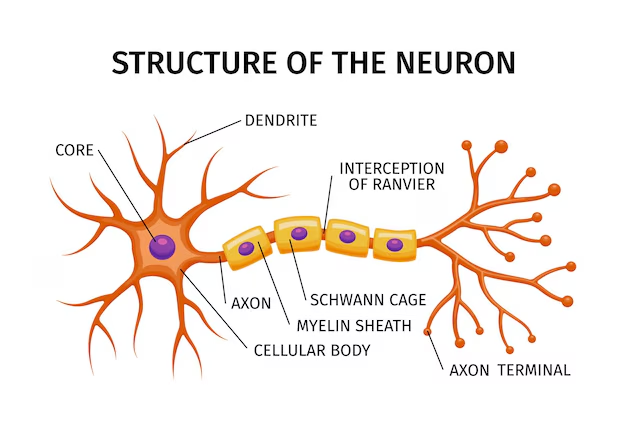
Motor Neuron Disease encompasses several conditions, the most common of which are Amyotrophic Lateral Sclerosis (ALS), Progressive Muscular Atrophy (PMA), and Primary Lateral Sclerosis (PLS). The exact cause of MND is still not fully understood, but it is believed to involve a combination of genetic, environmental, and lifestyle factors.
Symptoms of MND
Symptoms vary based on the type of MND but commonly include:
- Muscle Weakness: Difficulty in moving limbs, making daily tasks challenging.
- Speech Difficulties: Slurred speech or inability to communicate effectively.
- Swallowing Problems: Dysphagia, which can lead to choking.
- Breathing Issues: Respiratory muscle weakness can lead to respiratory failure.
- Emotional Changes: Depression and anxiety are common due to the progressive nature of the disease.
The Ayurvedic Perspective on Motor Neuron Disease
Ayurveda views health as a balance of the three doshas: Vata, Pitta, and Kapha. Each individual has a unique constitution (Prakriti) and any imbalance can lead to disease. In the case of MND, it is believed that an imbalance, particularly in Vata dosha, plays a significant role. Vata is associated with movement and nerve function, and an excess can lead to degenerative conditions.
Causes of MND from an Ayurvedic Viewpoint
- Vata Imbalance: The primary cause of MND is considered to be an imbalance in Vata, which can result from poor diet, stressful lifestyle, or environmental factors.
- Accumulation of Ama: Ama is a toxic substance formed from improperly digested food. Its accumulation can lead to various diseases, including neurodegenerative disorders.
- Stress and Emotional Factors: Ayurveda acknowledges the role of mental and emotional stress in physical health. Chronic stress can aggravate Vata and contribute to disease progression.
- Genetics: While Ayurveda does not focus on genetics as much as Western medicine, it recognizes that familial tendencies can impact one’s health.
Ayurvedic Treatment Approaches for MND
Ayurvedic treatment for MND is individualized, focusing on restoring balance and promoting overall well-being. The following are key components of an Ayurvedic treatment plan for MND:
1. Dietary Modifications
Diet plays a crucial role in Ayurveda. For MND patients, a nourishing diet that pacifies Vata is essential:
- Warm, Moist Foods: Incorporate warm soups, stews, and porridge to combat dryness.
- Healthy Fats: Ghee, olive oil, and avocados can help lubricate tissues and support nerve function.
- Avoiding Processed Foods: Minimize intake of processed and cold foods that can aggravate Vata.
2. Herbal Remedies
Ayurveda utilizes various herbs known for their neuroprotective and rejuvenating properties:
- Ashwagandha (Withania somnifera): An adaptogenic herb that helps in reducing stress and improving muscle strength.
- Brahmi (Bacopa monnieri): Known for its cognitive-enhancing properties, it supports nerve health and reduces anxiety.
- Turmeric (Curcuma longa): Contains curcumin, which has anti-inflammatory properties and can help in reducing neuroinflammation.
3. Panchakarma Therapy
Panchakarma is a detoxification process that can help remove accumulated toxins (ama) from the body. Key therapies may include:
- Abhyanga (Oil Massage): Promotes circulation and soothes the nervous system.
- Shirodhara: Involves pouring warm oil on the forehead, calming the mind and reducing stress.
- Basti (Enema Therapy): Specifically, herbal enemas can help cleanse the body of toxins.
4. Lifestyle Modifications
A balanced lifestyle is crucial in managing MND:
- Stress Management: Incorporating yoga, meditation, and breathing exercises (Pranayama) can help in reducing stress and balancing Vata.
- Regular Routine: Following a daily routine (Dinacharya) can help stabilize the body’s internal clock and support overall health.
- Gentle Exercise: Activities like walking, stretching, and yoga can help maintain muscle strength and flexibility without overexertion.
5. Emotional and Mental Well-being
Ayurveda recognizes the strong connection between mental and physical health. Techniques to promote emotional well-being include:
- Counseling: Engaging with a therapist or counselor who understands chronic illness can provide emotional support.
- Mindfulness Practices: Meditation and mindfulness exercises can help reduce anxiety and improve overall mental health.
Integrating Ayurveda with Conventional Treatment
While Ayurveda offers valuable insights and treatment approaches, it is crucial for individuals with MND to consult healthcare professionals. Combining Ayurvedic practices with conventional treatments can provide a comprehensive approach to managing symptoms and enhancing quality of life.
Safety Considerations
- Consultation with Professionals: Always consult with an Ayurvedic practitioner and a healthcare provider before starting any new treatment.
- Monitoring Symptoms: Keep track of symptoms and their progression, adjusting treatments as necessary.
- Informed Decisions: Be informed about the benefits and limitations of both Ayurvedic and conventional treatments.
Conclusion
Motor Neuron Disease presents significant challenges, both physically and emotionally. While conventional treatments focus primarily on symptom management, Ayurveda offers a holistic approach that addresses the underlying imbalances contributing to the disease. By focusing on diet, lifestyle modifications, herbal remedies, and mental well-being, individuals with MND can potentially enhance their quality of life and promote overall health.
As with any medical condition, it is vital to adopt a comprehensive approach that incorporates multiple modalities for optimal care. With ongoing research and integration of different medical philosophies, there is hope for more effective management of Motor Neuron Disease in the future.
About author

Related posts
Atrial Fibrillation and Ayurveda: A Natural Path to Heart Health is a common heart condition that... Continue reading
Ayurvedic Treatment for Candida Infection: A Comprehensive Guide are a common and often troublesome health issue,... Continue reading
Ayurvedic Approach to Encephalitis: A Holistic Healing Path is a serious medical condition characterized by inflammation... Continue reading
Ayurvedic Approach to Managing Fatty Liver Disease (NAFLD), particularly Non-Alcoholic Fatty Liver Disease (NAFLD), has emerged... Continue reading
Hematuria and Ayurvedic Treatment: A Comprehensive Guide to Understanding and Managing Blood in Urine the presence... Continue reading
Add comment