
No products in the cart.
Return To ShopUnderstanding Pheochromocytoma: Insights from Ayurveda
Understanding Pheochromocytoma: Insights from Ayurveda is a rare yet significant medical condition characterized by a tumor in the adrenal glands that leads to excessive production of catecholamines, hormones that can cause a variety of distressing symptoms. While conventional medicine offers effective treatment options, there is growing interest in complementary approaches, including Ayurveda. In this blog, we will explore the nature of pheochromocytoma, its symptoms, conventional treatment methods, and how Ayurvedic principles can support overall wellness.
What is Pheochromocytoma?
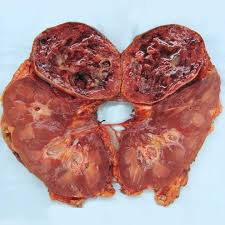
Pheochromocytoma originates from chromaffin cells of the adrenal medulla, which are responsible for producing catecholamines like adrenaline and norepinephrine. These hormones play crucial roles in the body’s “fight or flight” response. When produced in excess due to a tumor, they can lead to debilitating symptoms.
Symptoms of Pheochromocytoma
The symptoms can vary in intensity and may include:
- Severe Hypertension: One of the most common manifestations, leading to headaches, dizziness, and a heightened risk of cardiovascular complications.
- Palpitations: A rapid or irregular heartbeat that can be distressing.
- Sweating: Excessive sweating (hyperhidrosis) not linked to physical activity or temperature.
- Anxiety and Panic Attacks: Feelings of intense fear or anxiety that can be overwhelming.
- Tremors: Involuntary shaking or trembling, particularly in the hands.
Conventional Treatment Approaches
The standard treatment for pheochromocytoma often includes:
- Surgical Removal: The primary treatment is to surgically remove the tumor. This may involve adrenalectomy, the removal of one or both adrenal glands, depending on the tumor’s characteristics.
- Medications: Before surgery, patients may be prescribed medications like alpha-blockers to control high blood pressure and manage other symptoms effectively.
- Follow-up Care: Regular monitoring is essential to detect any recurrence or complications post-surgery.
Ayurvedic Perspective on Pheochromocytoma
Ayurveda, a traditional Indian system of medicine, offers a holistic approach to health and wellness. It emphasizes balance within the body and aims to treat the root causes of ailments rather than just alleviating symptoms. Here’s how Ayurveda can play a supportive role for those with pheochromocytoma.
Understanding the Doshas
In Ayurveda, the concept of doshas (Vata, Pitta, and Kapha) is central to understanding health and disease. Each dosha represents a combination of the five elements and influences various physiological functions.
- Vata: Represents movement and is associated with the nervous system.
- Pitta: Governs transformation and is linked to metabolic processes.
- Kapha: Relates to structure and stability.
Pheochromocytoma is primarily a Pitta disorder due to the excess of heat and stimulation it creates in the body. Therefore, the Ayurvedic approach would focus on pacifying Pitta and restoring balance.
Dietary Recommendations
- Cooling Foods: Incorporating foods that have a cooling effect on the body can help mitigate the excess Pitta. This includes:
- Fresh fruits like watermelon, cucumber, and coconut.
- Leafy greens and vegetables like spinach and zucchini.
- Dairy products such as milk and yogurt.
- Avoiding Spicy and Oily Foods: These can aggravate Pitta and worsen symptoms. Limiting caffeine, alcohol, and processed foods is also advisable.
- Herbs and Spices: Certain herbs may help in managing symptoms:
- Brahmi: Known for its calming effects on the nervous system.
- Turmeric: Offers anti-inflammatory properties.
- Ashwagandha: Helps in managing stress and anxiety.
Lifestyle Modifications
- Stress Management: High-stress levels can exacerbate symptoms. Practices such as yoga, meditation, and pranayama (breath control) can be beneficial.
- Regular Exercise: Engaging in moderate, non-strenuous exercise can help maintain a healthy weight and improve overall well-being. Walking, swimming, or yoga are excellent choices.
- Sleep Hygiene: Prioritizing restful sleep is essential for balancing the doshas and overall health. Establish a calming nighttime routine and aim for consistent sleep patterns.
Ayurvedic Treatments
- Panchakarma: This detoxification process can help cleanse the body and restore balance. It involves various treatments such as:
- Abhyanga (Oil Massage): Promotes relaxation and detoxification.
- Shirodhara: A treatment where warm oil is poured over the forehead, known to calm the mind and nervous system.
- Rasayana Therapy: This rejuvenation therapy focuses on restoring vitality and strength. It includes specific herbs and dietary recommendations tailored to the individual’s constitution.
- Yoga and Meditation: Specific yoga poses can help alleviate stress and improve circulation, while meditation can promote mental clarity and emotional stability.
Integrating Ayurveda with Conventional Treatment
It is essential for individuals diagnosed with pheochromocytoma to work closely with their healthcare providers when integrating Ayurvedic practices into their treatment plan. Here are some tips for a harmonious integration:
- Communicate Openly: Inform your healthcare provider about any Ayurvedic treatments or remedies you are considering.
- Monitor Symptoms: Keep track of your symptoms and how they may change with Ayurvedic interventions. This can provide valuable insights for both you and your healthcare team.
- Complement, Don’t Replace: Use Ayurveda as a complementary approach rather than a substitute for conventional treatment. This ensures a comprehensive strategy for managing pheochromocytoma.
Conclusion
Pheochromocytoma presents significant challenges, but both conventional and Ayurvedic approaches can contribute to effective management and improved quality of life. By understanding the nature of this condition and exploring holistic strategies, individuals can find support in their healing journey. Always consult with healthcare professionals before making any changes to your treatment plan, ensuring a safe and informed approach to health and wellness.
Incorporating Ayurvedic principles alongside conventional medical treatment can provide a balanced and holistic pathway to managing pheochromocytoma, supporting not just physical health but emotional and mental well-being as well.


About author

Related posts

Atrial Fibrillation and Ayurveda: A Natural Path to Heart Health is a common heart condition that... Continue reading
Ayurvedic Treatment for Candida Infection: A Comprehensive Guide are a common and often troublesome health issue,... Continue reading
Ayurvedic Approach to Encephalitis: A Holistic Healing Path is a serious medical condition characterized by inflammation... Continue reading
Ayurvedic Approach to Managing Fatty Liver Disease (NAFLD), particularly Non-Alcoholic Fatty Liver Disease (NAFLD), has emerged... Continue reading
Hematuria and Ayurvedic Treatment: A Comprehensive Guide to Understanding and Managing Blood in Urine the presence... Continue reading
Add comment