
No products in the cart.
Return To ShopUnderstanding and Treating Boils with Ayurveda
Understanding and Treating Boils with Ayurveda known as “Furuncles” in medical terminology, are painful, pus-filled bumps that develop on the skin due to bacterial infections, commonly caused by Staphylococcus aureus. While modern medicine provides various treatments, Ayurveda offers a holistic approach that focuses on balancing the body’s energies, or doshas, to promote healing. In this blog, we will explore the nature of boils, their causes, symptoms, and effective Ayurvedic remedies for prevention and treatment.
What Are Boils?
Boils typically start as red, tender lumps that gradually fill with pus. They can occur anywhere on the body but are most common in areas that experience friction, such as the armpits, thighs, and neck. While most boils are harmless, they can be painful and may lead to complications if not treated properly.
Symptoms of Boils
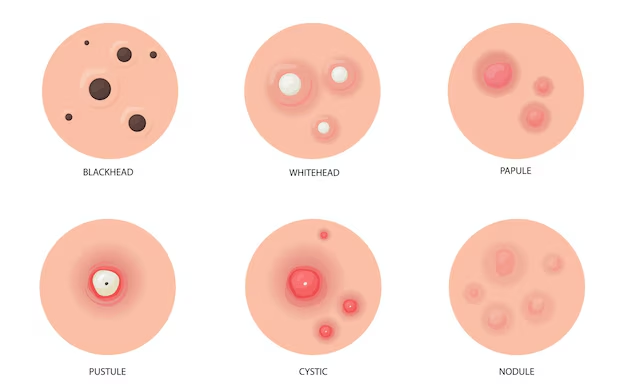
The primary symptoms of boils include:
- Redness and swelling: The area around the boil will often appear red and swollen.
- Pain and tenderness: The affected area can be very painful to touch.
- Pus formation: As the boil develops, it fills with pus, which may eventually drain.
- Fever and fatigue: In some cases, a person may experience fever and general malaise.
Causes of Boils
From an Ayurvedic perspective, boils result from an imbalance of the three doshas: Vata, Pitta, and Kapha. Specifically, they are associated with an excess of Pitta, which governs heat and metabolism in the body. Here are some common causes of boils:
- Bacterial infections: The primary trigger for boils, often entering through broken skin.
- Poor hygiene: Not maintaining proper skin hygiene can lead to bacterial buildup.
- Skin friction: Areas of skin that rub against each other can become irritated.
- Diet: A diet high in processed foods, sugar, and unhealthy fats can exacerbate Pitta imbalance.
- Stress: Emotional stress can also contribute to the weakening of the immune system.
Ayurvedic Understanding of Boils
In Ayurveda, the formation of boils is viewed as a manifestation of an imbalance in the body’s doshas, primarily Pitta. When Pitta is aggravated, it can lead to excess heat in the body, resulting in inflammation and infection. This is often accompanied by an accumulation of toxins, or “ama,” which can further complicate the condition.
Dosha Imbalance and Boils
- Pitta Dosha: Characterized by heat and intensity, when aggravated, it can lead to skin conditions, including boils.
- Vata Dosha: Imbalances can lead to dryness and poor circulation, contributing to skin issues.
- Kapha Dosha: While Kapha is primarily associated with fluid retention, it can also lead to sluggishness in the body’s metabolic processes, potentially allowing infections to develop.
To effectively treat boils, it’s crucial to address the underlying dosha imbalances and detoxify the body.
Ayurvedic Remedies for Boils
1. Herbal Pastes and Poultices
Using natural ingredients can help reduce inflammation and promote healing.
Neem Paste
Neem has powerful antibacterial and anti-inflammatory properties.
How to Use:
- Grind fresh neem leaves into a paste.
- Apply it directly to the boil and leave it on for several hours.
- Rinse with warm water.
Turmeric Paste
Turmeric contains curcumin, known for its anti-inflammatory and antiseptic qualities.
How to Use:
- Mix turmeric powder with water or coconut oil to form a paste.
- Apply to the affected area and let it sit for 30 minutes before washing off.
2. Herbal Teas
Drinking herbal teas can help detoxify the body and balance doshas.
Triphala Tea
Triphala is a powerful detoxifying blend of three fruits that can help cleanse the body and balance Pitta.
How to Prepare:
- Boil a teaspoon of Triphala powder in water for 10 minutes.
- Strain and drink twice daily.
Ginger Tea
Ginger helps improve digestion and boosts the immune system.
How to Prepare:
- Boil slices of fresh ginger in water for 10 minutes.
- Strain and drink, optionally adding honey for sweetness.
3. Dietary Changes
Adopting a Pitta-pacifying diet can significantly help prevent boils.
Recommended Foods
- Cooling foods: Cucumbers, melons, and leafy greens help balance Pitta.
- Whole grains: Brown rice, barley, and oats can be soothing.
- Sweet fruits: Apples, pears, and berries provide nourishment without excess heat.
Foods to Avoid
- Spicy foods: Chili peppers, garlic, and onions can aggravate Pitta.
- Fried and processed foods: These increase heat in the body.
- Caffeinated beverages: Coffee and energy drinks can lead to dehydration and imbalance.
4. Lifestyle Modifications
Stress Management
Practicing yoga and meditation can help reduce stress levels and promote overall well-being. Incorporating deep-breathing exercises into your daily routine can also balance Pitta.
Proper Hygiene
Maintaining proper skin hygiene by cleansing the skin regularly and using natural, non-irritating products can prevent the development of boils.
Preventive Measures
To prevent the recurrence of boils, consider the following practices:
- Stay Hydrated: Drink plenty of water to help flush toxins from your body.
- Maintain a Balanced Diet: Focus on a diet rich in whole foods, including fruits, vegetables, whole grains, and healthy fats.
- Regular Exercise: Engaging in regular physical activity helps improve circulation and strengthen the immune system.
- Avoid Sharing Personal Items: Do not share towels, razors, or other personal items that may harbor bacteria.
When to Seek Medical Attention
While many boils can be treated at home, it’s essential to seek medical attention if:
- The boil persists or recurs frequently.
- You develop a fever.
- There is significant swelling or redness around the boil.
- The boil does not drain or seems to worsen.
Conclusion
Boils can be uncomfortable and painful, but with a holistic Ayurvedic approach, it’s possible to treat and prevent them effectively. By understanding the underlying dosha imbalances and incorporating natural remedies, dietary changes, and lifestyle modifications, you can promote healing and enhance your overall health. Always remember to consult with a qualified Ayurvedic practitioner or healthcare professional for personalized guidance and treatment.
By embracing the principles of Ayurveda, you can foster a balanced body and mind, paving the way for a healthier, boil-free life.
About author

Related posts

Atrial Fibrillation and Ayurveda: A Natural Path to Heart Health is a common heart condition that... Continue reading

Ayurvedic Treatment for Candida Infection: A Comprehensive Guide are a common and often troublesome health issue,... Continue reading

Ayurvedic Approach to Encephalitis: A Holistic Healing Path is a serious medical condition characterized by inflammation... Continue reading

Ayurvedic Approach to Managing Fatty Liver Disease (NAFLD), particularly Non-Alcoholic Fatty Liver Disease (NAFLD), has emerged... Continue reading

Hematuria and Ayurvedic Treatment: A Comprehensive Guide to Understanding and Managing Blood in Urine the presence... Continue reading
Add comment